
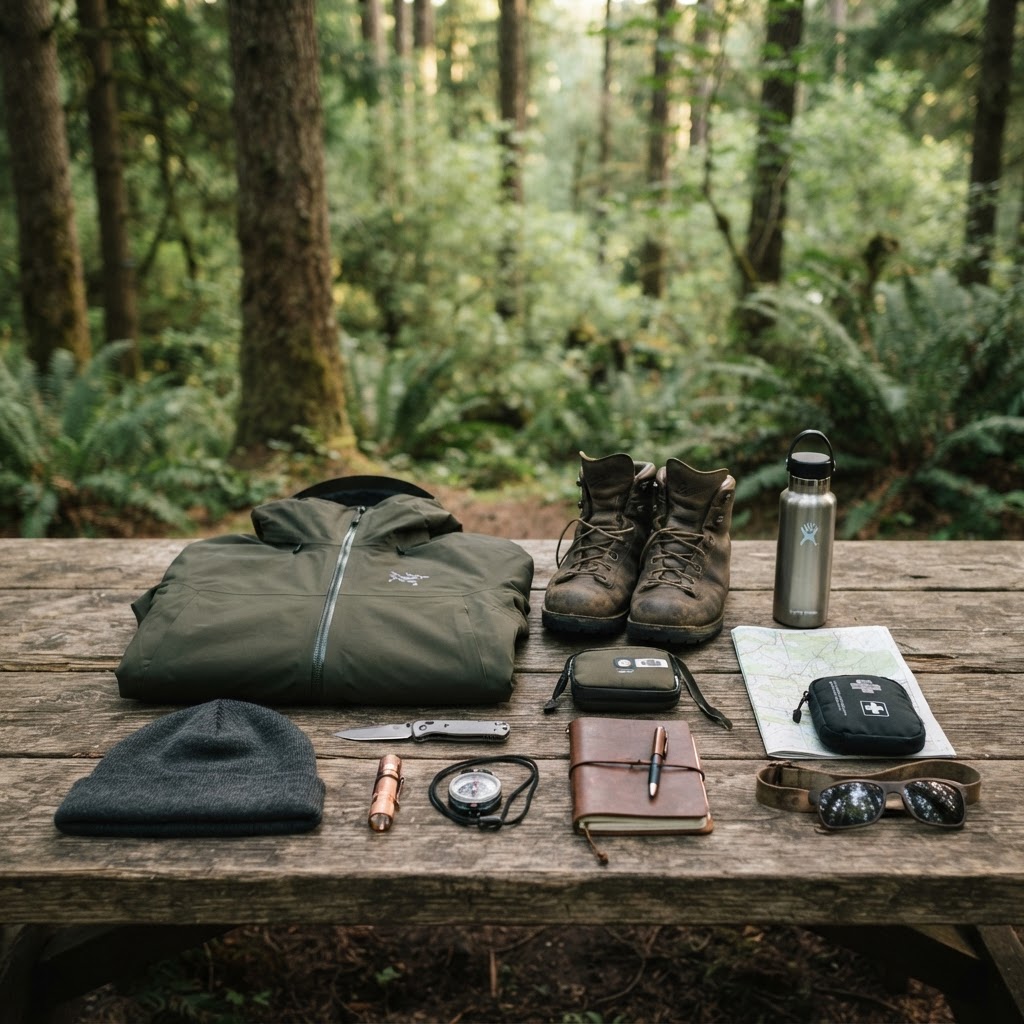
When preparing for extended excursions into the wilderness, the quality of your gear often determines the success and comfort of your trip. Whether you are navigating marshlands or setting up a base camp in unpredictable weather, the equipment you choose must offer durability, weather resistance, and ergonomic functionality. Shopping for specialized items at retailers like TideWe requires a systematic approach to ensure that every purchase serves a specific purpose in your broader collection of outdoor supplies.
Evaluating Material Specifications for Durability
The primary factor in selecting outdoor apparel or equipment is the fabric and construction technology. For gear designed to withstand moisture and rugged terrain, focus on waterproof ratings and seam-sealed construction. Many enthusiasts make the mistake of prioritizing aesthetic design over functional integrity. When inspecting product descriptions, look for details regarding breathable membranes and reinforced stress points. Gear that utilizes multi-layered fabrics typically provides better heat retention in cold climates, which is essential for stationary activities like hunting or wildlife photography. Always compare the weight of the material against its intended usage; heavier fabrics are usually more durable, but they can restrict movement during high-exertion activities.
Understanding Sizing and Layering Systems
One of the most common pitfalls when buying technical outdoor apparel is misjudging the fit. Outdoor clothing is engineered differently than standard street wear because it must accommodate various layering systems. If you plan to wear a thick base layer underneath an outer shell, you may need to size up to maintain a full range of motion. Check the manufacturer's provided sizing charts meticulously. If you are browsing through options in our Outdoor & Adventure section, consider how the garment will perform while in motion. A jacket or pair of waders that fits perfectly while standing still may become restrictive when you are climbing, kneeling, or hiking through dense brush. Prioritize articulated joints and adjustable cuffs, as these features allow for a more customized fit that adapts to your body's movement.
Strategic Planning for Seasonal Gear Transitions
Your needs will shift significantly depending on the time of year. Before you commit to a major purchase, audit your current inventory to identify what is truly lacking. It is easy to succumb to the temptation of buying the latest gear, but the most strategic approach involves investing in items that fill a functional gap. For example, if you find that your current setup lacks sufficient insulation for late-season hunting, focus on thermal-regulated garments. If you are regularly exploring diverse environments, look for versatile pieces that can be easily layered or modified. You can often find a wide variety of special offers across different categories that help you manage the cost of building a comprehensive kit. Always keep a list of your essential requirements—such as specialized boots, waterproof gear, or thermal vests—to avoid impulsive spending on items you already own.
Maintaining Your Investment
Once you have selected your gear, the longevity of those items depends almost entirely on proper maintenance. Specialized outdoor clothing and equipment often require specific cleaning methods to preserve their waterproof or insulating properties. Avoid using harsh detergents that can strip away protective coatings. Instead, look for gear-safe cleaners that are designed to maintain the breathability of synthetic fabrics. Store your items in a cool, dry place away from direct sunlight, which can degrade high-performance materials over time. If you are looking for specific types of equipment, you might find valuable resources on our link repository that can guide you to the right manufacturers and product types. Taking care of your equipment ensures that your investments remain reliable for many seasons of use, allowing you to focus on the experience rather than the condition of your gear.
Common Pitfalls in Outdoor Gear Selection
Avoiding common mistakes is key to a successful shopping experience. First, never ignore the importance of user reviews, but filter them for specific technical feedback. A review that mentions 'high quality' is less useful than one that describes how the gear held up after three days in heavy rain. Second, do not overlook the importance of accessories like specialized socks or moisture-wicking undergarments, which are just as critical as your outer layers. Finally, be wary of over-specifying gear for environments you rarely encounter. If you predominantly hike in moderate climates, you may not need the most extreme, expedition-grade gear available. Aligning your purchase with the reality of your outdoor lifestyle will keep your gear closet organized and your adventures more enjoyable.
Frequently asked questions
How do I know what size to choose for outdoor clothing?
Always consult the manufacturer's specific sizing chart rather than relying on your usual retail size. Consider whether you need to fit multiple base layers underneath your outer garment, as this often necessitates sizing up for comfort and mobility.
What should I look for in waterproof outdoor gear?
Look for descriptions indicating seam-sealed construction and high-quality waterproof membranes. Breathability ratings are also essential, as they ensure that moisture from perspiration can escape, keeping you dry from the inside out.
Is it better to buy specialized or versatile gear?
If you are just starting your collection, versatile, multi-purpose gear is generally the better investment. Once you identify your primary outdoor activities, you can start incorporating specialized equipment that provides better performance for those specific tasks.
How should I store my outdoor gear after the season ends?
Clean your gear according to the manufacturer's instructions to remove salt, dirt, or debris. Store it in a cool, dry, and well-ventilated area to prevent mold growth and fabric degradation. Avoid leaving synthetic materials in direct sunlight for long periods.
What is the best way to compare different brands?
Focus on the technical specifications rather than brand marketing. Compare materials, weight, warranty policies, and specific features like pocket configuration or closure types to see which product best meets your functional requirements.


