
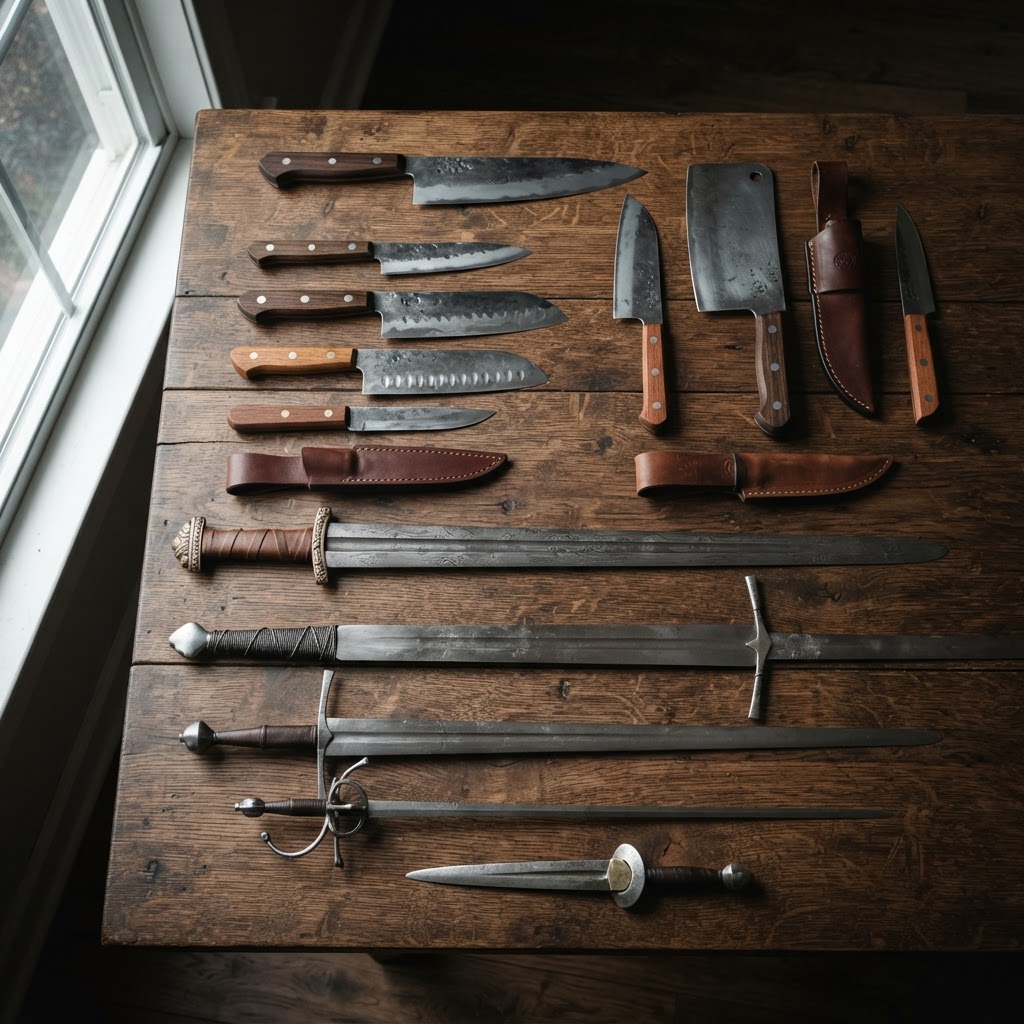
Understanding Blade Materials and Utility
Choosing the right blade is a blend of understanding metallurgy and identifying your specific needs. Whether you are searching for a functional tool for outdoor survival or a precise historical replica, the quality of steel is the most important factor in your decision. For those exploring options, retailers like Atlanta Cutlery Corp. offer a vast range of products that cater to both the enthusiast and the professional. When evaluating a potential purchase, look past the aesthetic finish and focus on the carbon content of the steel. High-carbon steel is favored for its edge retention and durability, but it requires more maintenance to prevent rust. Conversely, stainless steel provides excellent corrosion resistance, making it ideal for blades used in humid or wet conditions.
Before you commit to a purchase, it is helpful to browse through specialized collections to see how different manufacturers approach blade geometry. A blade designed for heavy-duty chopping will have a significantly different edge profile than one designed for fine cutting or food preparation. Understanding these differences ensures that the tool you choose will perform exactly as expected under pressure.
Evaluating Construction and Handle Ergonomics
The strength of a knife is rarely defined by the blade alone. The tang—the portion of the metal that extends into the handle—is a critical component that often goes overlooked by new buyers. A full-tang design, where the metal extends to the end of the handle, offers superior balance and strength compared to partial-tang alternatives. When browsing through various options, always verify the handle material. Hardwoods, G10 composites, and textured rubber all offer unique benefits in terms of grip and longevity. A handle that feels comfortable in your hand after ten minutes of use is far more valuable than one that looks impressive but creates hot spots or blisters during active operation.
Always take a moment to review the specifications provided by the seller regarding the assembly of the knife. Pins, bolts, or epoxy seals are standard in quality builds, but you should look for signs of tight tolerances where the handle meets the bolster. A well-constructed blade should feel like a singular, solid unit with no movement or rattle in the components.
The Balance of Aesthetics and Historical Accuracy
For collectors interested in historical weaponry, the challenge lies in balancing authentic design with functional reliability. It is common to find items at outlets like Atlanta Cutlery Corp. that capture the essence of a bygone era through precise craftsmanship. When shopping for replicas, check the product description for details on the forge process and finishing techniques. A truly exceptional replica will often mirror the weight and balance point of the original historical implement, providing a tactile experience that captures the history behind the object.
However, do not be swayed by decorative elements that compromise the integrity of the item. If you intend to use your blade, prioritize structural integrity over ornate engravings or decorative inlays. While these features add beauty, they can sometimes create weak points if not integrated with structural precision. If you are unsure about the practical application of a specific piece, checking current inventory insights can help you compare similar items to determine which model offers the best value for your specific collection goals.
Common Mistakes to Avoid When Buying Online
One of the most frequent errors shoppers make is neglecting to read the fine print regarding dimensions and weight. A knife that looks massive in a high-resolution photo might be surprisingly small in practice. Always consult the product specs for the actual blade length and overall weight to ensure it fits your intended purpose. Another common mistake is ignoring the maintenance requirements associated with specific types of steel or handle materials. If you are not prepared to oil a high-carbon blade or treat wooden handles, you might find yourself frustrated with the degradation of your purchase over time.
Finally, avoid the temptation to choose based solely on price. A low-cost blade may seem like a bargain, but the cost of frequent sharpening or early replacement often exceeds the initial investment of a higher-quality piece. By taking the time to research the materials and construction of your next purchase, you ensure that you receive a tool that will serve you well for years to come. Remember to stay patient during the selection process; a quality collection is built over time through careful consideration and a focus on long-term performance rather than impulse buys.
Frequently asked questions
What is the primary difference between high-carbon and stainless steel?
High-carbon steel is known for superior edge retention and durability, making it ideal for heavy-duty work, though it is prone to rust if not maintained. Stainless steel contains chromium, which provides excellent resistance to corrosion, making it a lower-maintenance option for general or wet-environment use.
Why is a full-tang design considered superior for knives?
A full-tang design means the metal of the blade extends throughout the entire length of the handle. This construction provides significantly greater structural integrity, balance, and leverage compared to partial-tang designs, which are more likely to snap under stress.
What should I look for when buying a historical replica?
Prioritize accurate dimensions, appropriate weight, and balance that mimics the original artifact. Ensure that the craftsmanship reflects historical techniques, but verify that the materials used are durable enough for your intended level of activity, whether it is display or light practice.
How do I maintain my blade after purchase?
Maintenance depends on the material, but generally involves cleaning and drying the blade immediately after use. Applying a light coat of food-safe oil is recommended for high-carbon steel to prevent oxidation, and wood handles may occasionally require treatment with oil to prevent drying or cracking.
Is a more expensive knife always better?
Not necessarily, but higher price points often reflect better material choices, such as superior steel alloys, and more labor-intensive construction methods. It is best to look at the specific manufacturing details rather than just the price tag to ensure the knife meets your functional needs.


