
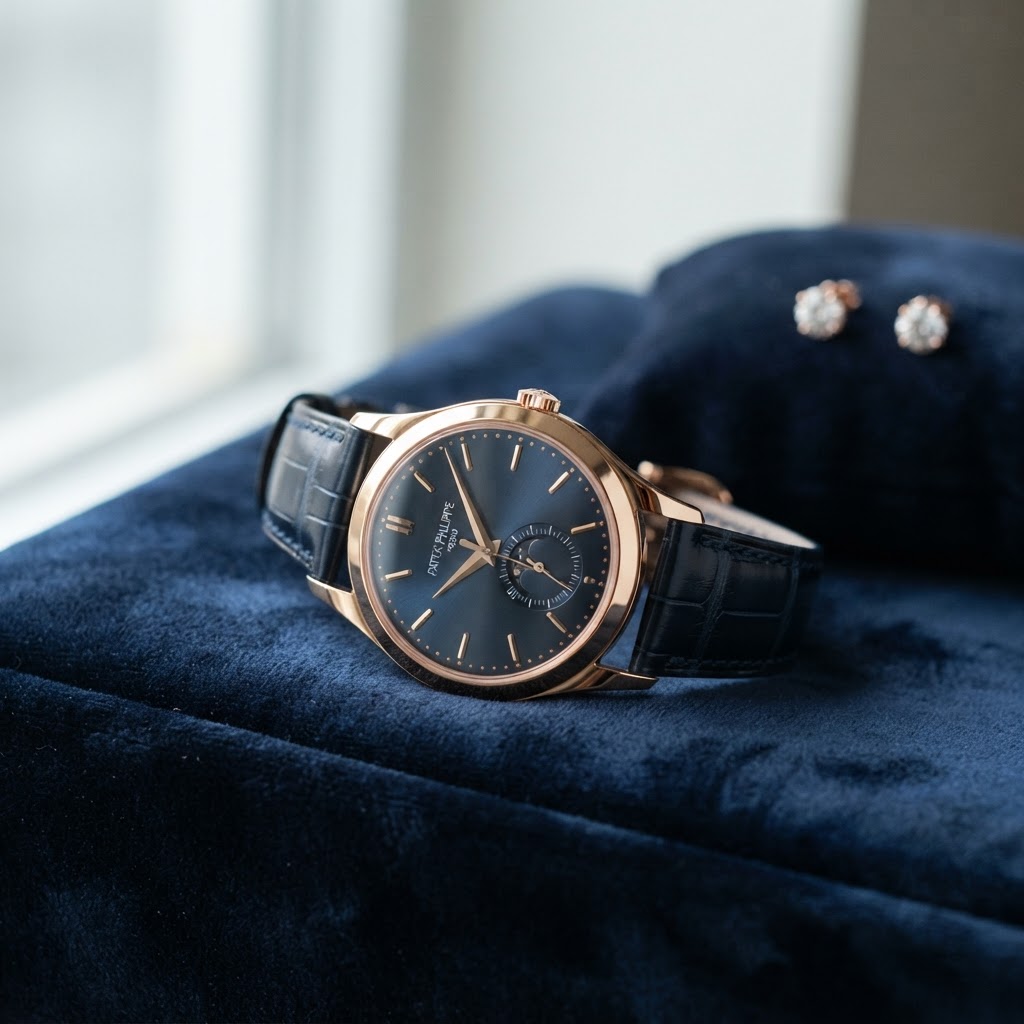
Assessing Quality in Luxury Watches
Investing in a high-end timepiece is a decision that balances aesthetic preference with technical performance. When you begin your search for an heirloom-quality watch, the first step is understanding the movement. Mechanical movements, whether manual or automatic, are prized for the intricate craftsmanship required to assemble hundreds of tiny components. Quartz movements offer high precision with less maintenance, but they lack the mechanical complexity that collectors often seek. When exploring collections at C.W.Sellors Ltd, look for details such as exhibition case backs that allow you to view the movement in action, a hallmark of fine watchmaking.
Material selection is another critical factor. Stainless steel is the industry standard for durability, but precious metals like gold or platinum add significant value and weight. Consider the purpose of the watch. Is it a tool watch meant for daily wear, or a dress piece intended for formal occasions? Scratch-resistant sapphire crystal is an essential feature to look for in any luxury purchase, as it ensures the dial remains pristine over decades of use. Research the reputation of the watchmaker to ensure that parts and service support will be available for years to come.
Selecting Fine Jewelry with Confidence
Buying fine jewelry requires an eye for detail and an understanding of precious materials. Whether you are looking for rings, necklaces, or bracelets, the quality of the setting and the grade of the gemstones determine both the beauty and the longevity of the piece. When browsing for jewelry in the broader accessory market, always prioritize the purity of the metal. Gold is measured in karats, with 18k being a popular choice for durability in jewelry settings. For diamond pieces, familiarize yourself with the standard grading factors: cut, clarity, color, and carat weight. These metrics provide a baseline for comparison across different designs.
Beyond the raw materials, examine the craftsmanship of the setting. A secure setting is vital for preventing the loss of stones. Prongs should be symmetrical and smooth to the touch, ensuring they do not snag on clothing. For complex designs, check the finish of the metal on the underside of the piece. High-quality manufacturing often includes hand-polishing even in areas that aren't visible, which indicates a dedication to quality control throughout the production process. When you find items that catch your interest, checking for updated pricing insights can help you stay informed about current market trends.
Creating a Sustainable Collection
A smart shopper views luxury purchases as long-term assets. Instead of chasing fleeting trends, focus on building a collection of versatile pieces that can be worn across various contexts. A classic stainless steel watch can be dressed down with a rubber strap or elevated with a metal bracelet, offering flexibility for a professional or casual lifestyle. Similarly, classic gemstone jewelry in neutral tones often holds its aesthetic appeal better than overly stylized or avant-garde pieces.
Proper maintenance is the final pillar of smart ownership. Luxury items are durable, but they are not indestructible. Develop a habit of having your watches serviced according to the manufacturer’s recommended intervals to keep the movement lubricated and accurate. For jewelry, gentle cleaning with a soft cloth and periodic professional inspections will prevent the buildup of oils and debris that can dull the luster of gemstones. By curating your collection intentionally and maintaining it properly, you ensure that your investments remain sources of enjoyment for years to come. For those ready to explore current market offerings, you can often find a curated selection at C.W.Sellors Ltd to compare styles and designs before making a purchase.
Avoiding Common Shopping Pitfalls
It is easy to get caught up in the excitement of a luxury purchase, but caution is essential. Avoid making decisions based solely on appearance without researching the technical specifications of the item. Verify the provenance of any pre-owned or limited-edition pieces whenever possible. If a deal seems too good to be true, it likely ignores the real costs of quality materials and master-level assembly. Always cross-reference the model numbers and official specifications provided by the manufacturer. By taking a measured, research-driven approach to your shopping, you can navigate current luxury inventory with the confidence of an experienced collector, ensuring your final selection aligns with both your personal taste and your financial objectives.
Frequently asked questions
What should I look for when buying a luxury watch?
Focus on the movement type, such as automatic or manual mechanical, and the quality of the casing materials like sapphire crystal and high-grade stainless steel. Ensure the manufacturer has a strong reputation for long-term serviceability and spare parts.
How do I determine the value of a piece of fine jewelry?
Assess the purity of the metal and the grading of any gemstones based on the four Cs: cut, color, clarity, and carat weight. A well-constructed piece should also feature secure settings and an even, hand-polished finish.
How often should I have my luxury watch serviced?
Most manufacturers recommend having your mechanical watch serviced every three to five years. This process ensures the movement remains lubricated and accurate, preventing long-term wear on the internal components.
Are luxury watches a good investment?
Luxury timepieces are often viewed as durable goods that can retain value if they are from reputable brands and maintained in excellent condition. However, you should prioritize personal enjoyment and quality over expected resale appreciation.
What is the best way to clean fine jewelry at home?
Use a soft, lint-free cloth to gently wipe away oils and daily debris. Avoid harsh chemicals or ultrasonic cleaners unless explicitly recommended by the piece's manufacturer, as these can damage certain delicate gemstones.


