
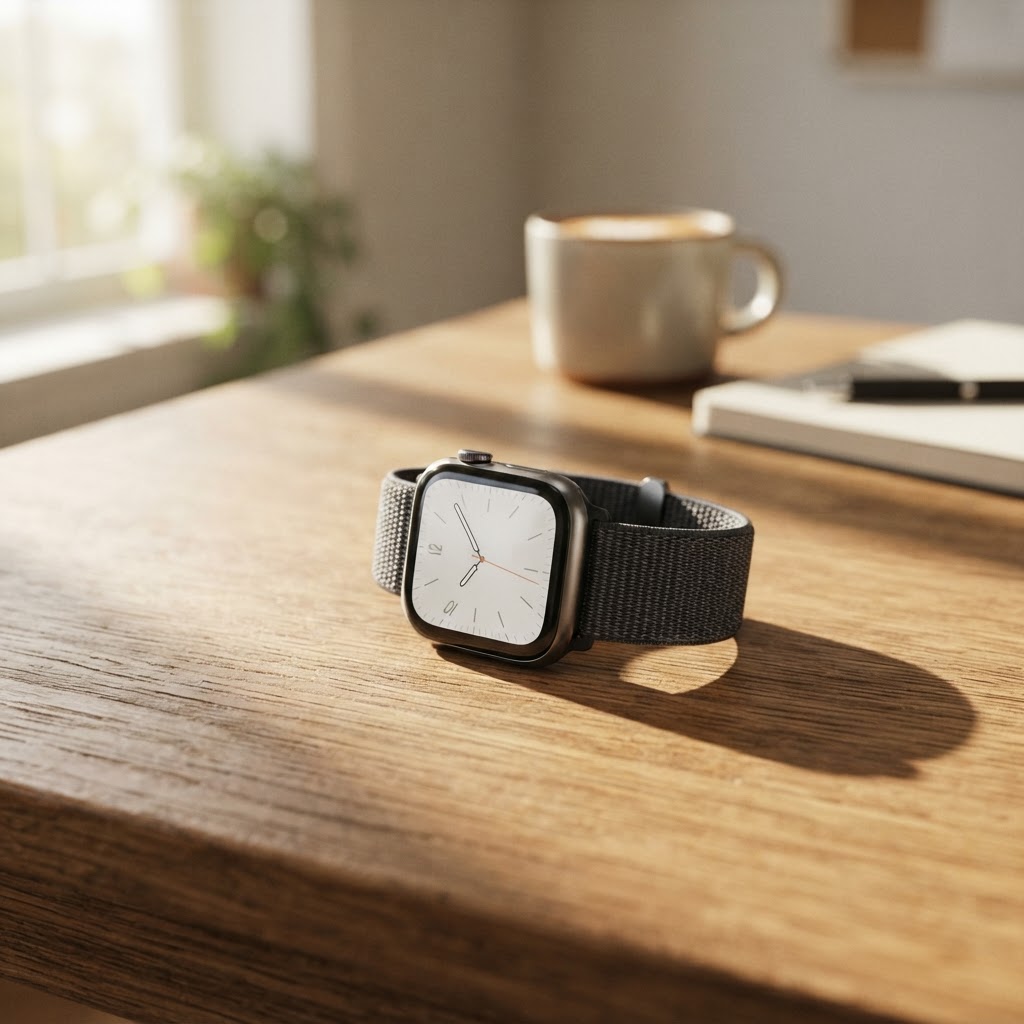
When you are in the market for a new wearable device, the sheer volume of options can feel overwhelming. From sophisticated smartwatches that mirror your phone to minimalist fitness trackers designed for performance, finding the right hardware requires balancing functionality with value. Navigating watches and wearable technology effectively means looking past the marketing buzz and focusing on the sensors, battery longevity, and ecosystem compatibility that actually matter to your daily life.
Defining Your Needs Before You Buy
Before diving into any promotional offers, take a moment to categorize what you truly need. Are you looking to track high-intensity workouts, or is your primary goal staying connected to notifications without reaching for your phone? Devices like those from Earfun, Inc often excel in specific audio-focused wearable sectors, while other manufacturers prioritize health metrics like heart rate variability or blood oxygen monitoring. Avoid the trap of paying for advanced sensors you will never use. If you are not a professional athlete, a high-end multisport watch might be overkill compared to a versatile tracker that offers the basics at a lower price point.
Check if the device connects seamlessly with your current operating system. While some wearables are platform-agnostic, others are built strictly for specific smartphone ecosystems. Compatibility is a non-negotiable feature. If your watch loses half its functionality once it disconnects from your specific phone model, it becomes little more than an expensive accessory rather than a functional tool.
Evaluating Value Beyond the Sticker Price
Once you understand your technical requirements, it is time to evaluate the market. High-end traditional brands, such as those found at Tsarbomba, often focus on craftsmanship and aesthetic longevity. In contrast, tech-focused wearables prioritize software updates and evolving digital capabilities. When comparing these, consider the lifecycle of the product. A traditional watch can last a lifetime with minimal maintenance, whereas a smart wearable typically has a shorter functional lifespan due to battery degradation and software obsolescence.
Use verified coupon codes to bridge the gap between your ideal model and your budget. However, be wary of deep discounts on discontinued models. A massive reduction in price for an older fitness tracker might seem like a bargain, but if the manufacturer has stopped providing security updates or syncing support, the product may become obsolete shortly after purchase. Always verify the current model year before finalizing your transaction.
Common Pitfalls in Wearable Shopping
One of the most frequent mistakes shoppers make is ignoring accessory costs. A device might be affordable, but if you need to buy proprietary charging cables, specialized screen protectors, or custom straps to make it comfortable, the total cost of ownership increases rapidly. Look for deals that bundle essentials, or check if the device uses universal sizing for components like watch bands. This small detail can save you significant time and effort in the future.
Furthermore, do not rely solely on advertised battery life claims. Most manufacturers provide these figures based on light, lab-controlled usage scenarios. If you plan to keep GPS tracking active or display settings at maximum brightness, your real-world experience will differ drastically. Research user forums or neutral, technical reviews to see how the battery holds up under heavy, daily use conditions.
Strategic Planning for Purchases
Timing your purchase remains a powerful strategy. Many retailers participate in recurring seasonal cycles that result in better pricing opportunities throughout the year. Keep an eye on our featured offers section to stay informed about when prices are trending downward. This proactive approach ensures that when you find a model that perfectly matches your fitness or communication needs, you are ready to act while the price is advantageous.
Finally, remember that the best wearable is the one you will actually wear consistently. Aesthetics play a crucial role in daily adoption. If a device is too bulky, heavy, or clashes with your personal style, you will eventually leave it on your nightstand. Prioritize form factor as much as you prioritize specs. A device that feels like a natural part of your daily attire is much more likely to provide the health and productivity benefits you are seeking. By balancing these considerations—ecosystem compatibility, real-world utility, and total cost of ownership—you can secure a reliable device that serves your needs for years to come.
Frequently asked questions
What is the most important factor when buying a smartwatch?
The most important factor is platform compatibility. Ensure the watch works seamlessly with the smartphone operating system you already use to avoid losing key features.
Are older model smartwatches worth buying on clearance?
It depends on whether the device still receives software and security updates. An older model can be a great value if it still supports your current apps and OS, but it is a poor investment if the manufacturer has ended support.
How do I ensure a fitness tracker is right for my activity level?
Identify which metrics are essential for your goals, such as GPS for runners or sleep tracking for wellness enthusiasts. Avoid paying extra for advanced professional features if you only require basic health monitoring.
Why does battery life vary so much from the manufacturer's claims?
Battery life is usually tested under laboratory settings with minimal features enabled. Real-world usage, including constant screen brightness, GPS usage, and background app syncing, will significantly reduce the time between charges.
Should I factor in the cost of accessories when buying a watch?
Yes, always consider the long-term cost of ownership. This includes the price of proprietary chargers, replacement bands, and protective cases, which can add up if the device does not use standard, universal parts.


