
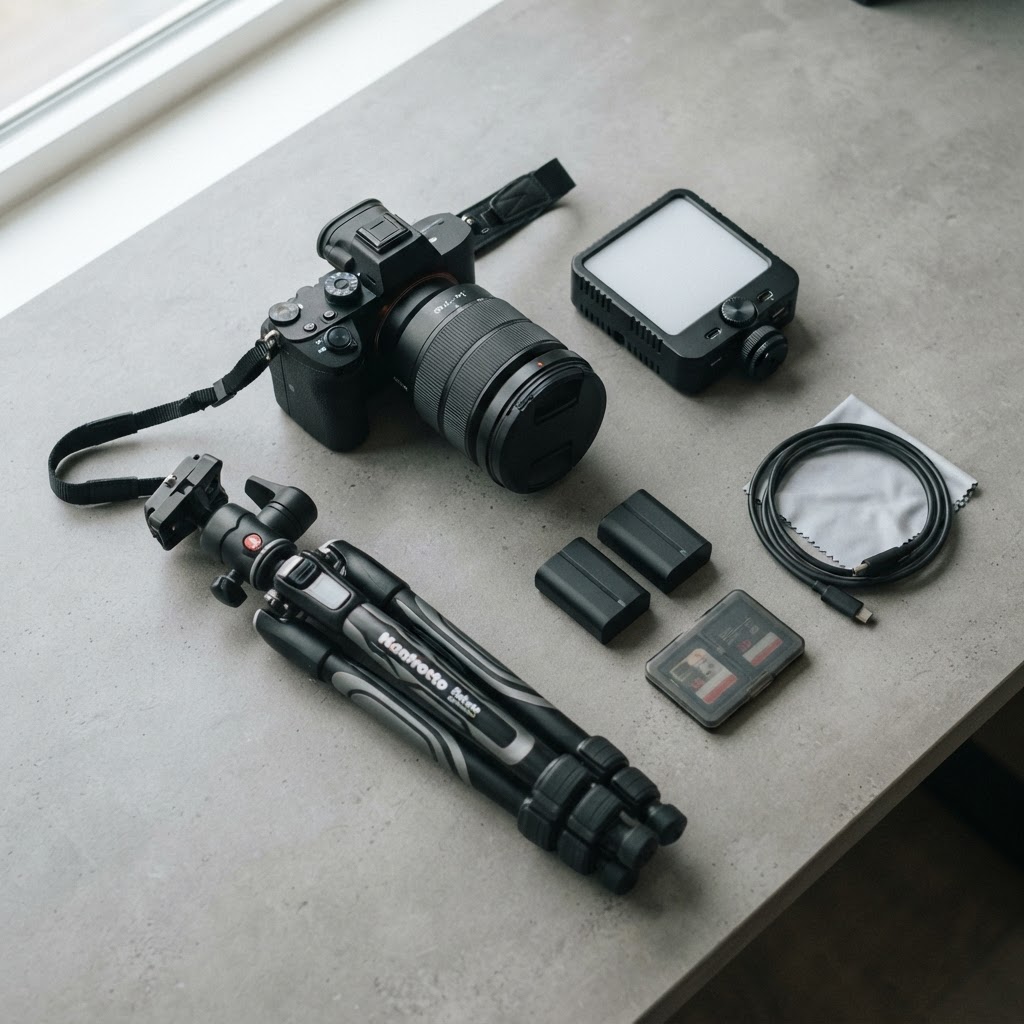
Building a reliable kit for capturing high-quality stills and video does not require depleting your entire savings account. Whether you are an enthusiast documenting travels or a creator building a studio, the market for photography and video equipment is vast and competitive. To make smart purchases, you must move beyond the excitement of new hardware and focus on utility, compatibility, and the true value of your investment.
Evaluating Your Core Needs Before You Buy
The most common pitfall in gear acquisition is over-specifying. Many shoppers pay for features they will never utilize, such as high-frame-rate video for a project that only requires static images or professional-grade weather sealing for indoor studio work. Begin by identifying the primary function of the equipment you are seeking. Are you prioritizing portability for travel photography, or do you need a robust setup for controlled environments? Once you define your baseline requirements, you can filter out expensive add-ons that do not serve your immediate workflow.
When you browse retailers like Amazon, use the technical specifications to compare models side-by-side rather than relying on marketing jargon. Focus on sensor size, lens mount compatibility, and battery life consistency. It is often more cost-effective to invest in high-quality glass—lenses that will retain their value and utility over years—than to chase the latest camera body, which depreciates as quickly as modern software updates arrive.
Navigating the Market for Better Value
Once you have a target list of hardware, shift your attention to the economic side of your acquisition. The landscape for electronics is fluid, and price points fluctuate based on inventory cycles and seasonal demand. Rather than rushing to complete a purchase, integrate a system for tracking costs. Reviewing current coupon codes can sometimes unlock savings on bundles that include memory cards or cleaning kits, which are essential but often overlooked expenses.
If you are looking for specific gear like portable printers or lighting controllers, check for active promotions that apply to the broader category. Many major retailers provide periodic discounts that can be applied to accessories, allowing you to maximize your budget. Always verify if a site-wide discount or a specific brand promotion can be applied to your cart before checking out to ensure you are capturing every available advantage.
The Role of Essential Accessories
Photography is rarely just about the camera. Your total investment should factor in the supporting ecosystem, including lighting, stabilization, and storage. A common mistake is allocating the entire budget to the main camera body while neglecting the lighting gear needed for professional results. Quality illumination often makes a greater visual impact than the camera body itself. Research the types of lighting kits that align with your space, such as continuous LED panels or strobe systems, to see where you can find modular options that grow with your project needs.
You should also evaluate how you source specialized items like personalized packaging for your prints or custom labels for your storage gear. Retailers such as Evermine Labels provide solutions that help organize your workflow, which is an often-underrated aspect of content creation. Maintaining a clean, organized studio space increases your efficiency and protects your equipment from damage, saving you money on repairs and replacements in the long run.
Making Informed Long-Term Decisions
Before you commit to a major purchase, take a moment to assess the long-term utility of the gear. If you are building out a workspace, consider how your setup will scale. Will the tripod you buy today support the weight of a larger camera or a heavier lens in two years? Is the editing software compatible with the hardware you are currently evaluating? Taking a strategic approach to your electronic gadget purchases will save you from the cycle of buying and reselling gear that doesn't quite fit your vision.
Finally, monitor featured deals to keep an eye on industry trends. Staying informed about when retailers update their inventory can help you time your purchases during transition periods when older models are often discounted to make room for newer versions. By staying patient and focused on the technical requirements of your work, you can assemble a professional kit that delivers results without causing unnecessary financial strain.
Frequently asked questions
Is it better to invest more in a camera body or a lens?
Generally, it is wiser to invest in high-quality glass. Lenses tend to hold their value significantly longer than camera bodies and have a greater impact on the final image quality.
How can I avoid overspending on features I do not need?
Define your specific use case before shopping. If you are a beginner or a hobbyist, list the three essential features you require and ignore marketing hype for professional-only specifications.
What is the best way to keep track of deals for photography gear?
Regularly check curated deals pages and newsletters from reputable sites. Avoid impulsive purchases during major sales events by comparing base prices across multiple retailers before applying any coupons.
Why is it important to prioritize accessories like lighting?
Lighting fundamentally changes the quality and mood of your content. A modest camera combined with excellent lighting will consistently outperform a top-tier camera used in poor, flat lighting conditions.
Should I purchase gear in bundles?
Bundles can be cost-effective if you actually need the included accessories. However, avoid them if they include low-quality filler items you will eventually replace, as this is often a false economy.


