
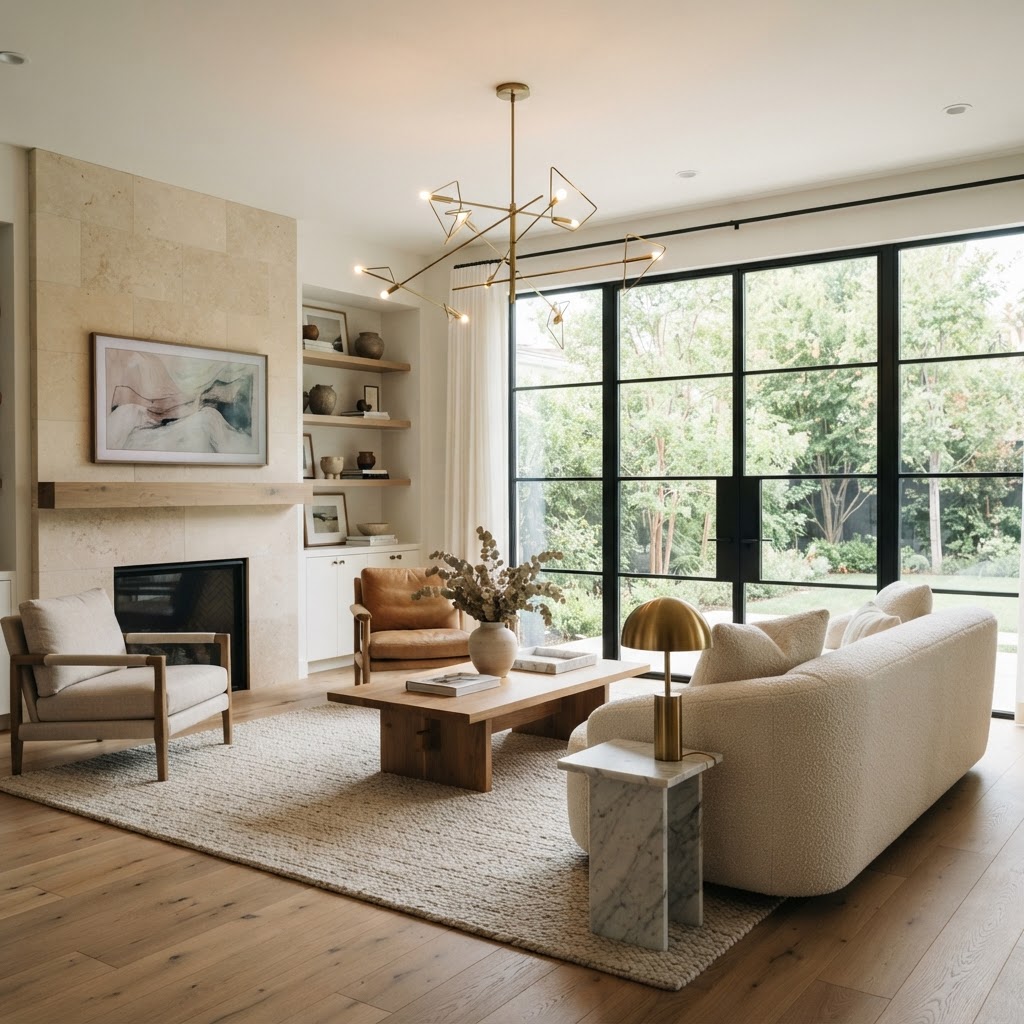
Mastering the Art of Home Lighting
Lighting is often the most overlooked element of interior design, yet it holds the power to completely redefine the mood and functionality of any room. Whether you are looking to brighten a dim home office or create a cozy atmosphere in your living area, finding the right hardware requires more than just picking the most attractive item you see. Navigating the wide variety of products available at retailers like 1-800Lighting allows you to explore diverse styles, but you must first understand the technical nuances of your space to ensure your purchase provides both beauty and utility.
Before you begin browsing, take an inventory of your current electrical setup. Is the room pre-wired for a central pendant, or are you looking to install recessed lighting? Understanding your electrical constraints is the most important step in the buying process. You can explore a broader range of options by visiting the main electrical category to see how different mounting styles work in various home architectures. Never assume that a light fixture will fit your current box without checking the dimensions and weight specifications.
Understanding Light Quality and Placement
The most common mistake homeowners make is choosing a fixture solely for its appearance without considering the quality of light it produces. Different rooms serve different purposes, and your lighting needs should reflect that. For kitchens and bathrooms, you need task lighting—bright, focused beams that make it easy to see what you are doing. For dining and living spaces, ambient lighting is key. This is a soft, diffused glow that fills the room without creating harsh shadows or glare.
Consider the color temperature, measured in Kelvins. A lower Kelvin rating, such as 2700K to 3000K, produces a warm, yellowish light that feels intimate and inviting. A higher rating, typically above 4000K, yields a crisp, cool white light that feels energized and clean. When you find a style you like at 1-800Lighting, always check if the bulb type is compatible with your needs, as changing bulbs later can often alter the intended aesthetic of a decorative piece.
Sizing Your Fixtures Correctly
Scale is everything in design. A chandelier that is too small will look lost in a large dining room, while an oversized pendant can make a narrow hallway feel cramped and claustrophobic. A simple rule of thumb for dining room tables is to choose a fixture that is roughly one-third the width of the table. For height, the bottom of the fixture should hang approximately 30 to 36 inches above the tabletop to provide adequate coverage without blocking your view of guests.
If you are unsure about the visual impact of a specific fixture, keep an eye on our latest featured offers to see if you can compare various styles without breaking your budget. It is often helpful to mark the intended space with painter's tape on your floor or ceiling to get a better sense of how the dimensions will translate into reality. This simple trick prevents the disappointment of purchasing a piece that simply does not fit the scale of your room.
Maintenance and Long-Term Quality
When you invest in high-quality hardware, you want it to last. Before finalizing your order, look at the materials used in the construction. Metal finishes like brushed nickel, matte black, or polished brass behave differently in humid environments like bathrooms. If you are shopping for a high-moisture area, ensure that the product is rated for damp or wet locations. This information is usually hidden in the technical specifications tab of a product page.
Finally, remember to think about the long-term maintenance of your fixtures. Intricate glass designs or nested geometric shapes might look stunning on a display, but they can be incredibly difficult to dust. If your lifestyle requires low-maintenance solutions, opt for sealed glass globes or simple pendant silhouettes. Before making your final choice, we recommend browsing through our collection of active deal links to see if there are any current promotions that might help you upgrade to a more durable or higher-quality material that fits your budget. Investing in better materials now will save you the trouble of dealing with flickering bulbs, rusting finishes, or loose connections in the future, ensuring your home remains bright and welcoming for years to come.
Frequently asked questions
How do I know what size light fixture is right for my room?
A common rule of thumb is to add the length and width of the room in feet, and use that sum as the diameter in inches for a chandelier. For example, a 10x12 foot room would be well-served by a 22-inch diameter light.
What is the difference between warm and cool light?
Color temperature is measured in Kelvins. Warm light (2700K-3000K) creates a cozy, yellow-toned glow ideal for bedrooms and living rooms. Cool light (4000K+) provides a bright, crisp white light that is best for work areas like kitchens or offices.
Are there specific lighting needs for bathrooms and kitchens?
Yes. Bathrooms and kitchens require task lighting, which provides bright, shadow-free illumination. You should also ensure any fixtures placed in damp areas like bathrooms are specifically rated for that environment to prevent corrosion.
What is the best way to handle installation?
Always turn off the power at the circuit breaker before beginning any electrical work. If you are not comfortable handling wiring, it is safer and more efficient to hire a licensed electrician to ensure the fixture is safely and properly mounted.
How can I maintain my new lighting fixtures?
Routine maintenance involves dusting fixtures with a microfiber cloth and ensuring all bulbs are tightened. For glass shades, remove them periodically to wash them with warm soapy water and allow them to air dry completely before replacing.


