
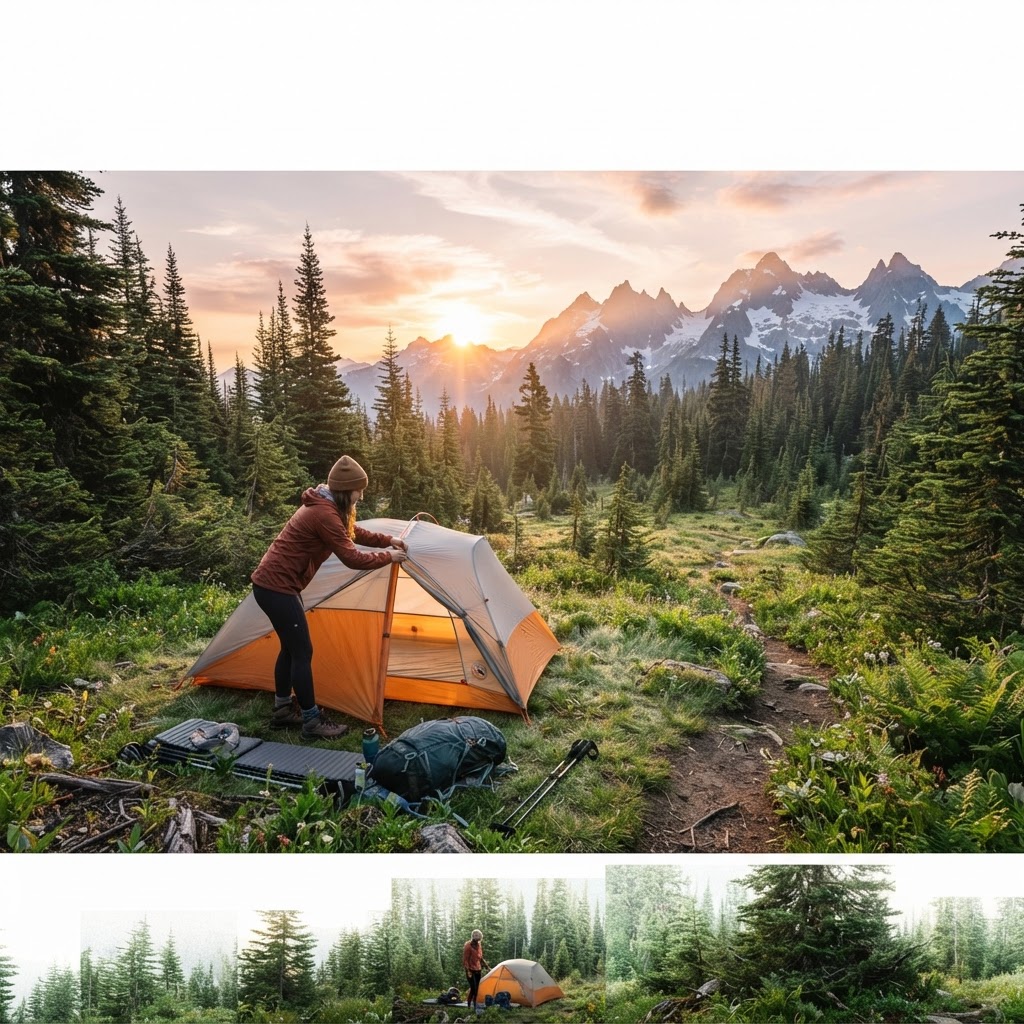
Assessing Your Outdoor Equipment Needs
Planning an outdoor adventure requires a shift in mindset from everyday convenience to functional reliability. Whether you are prepping for a weekend hike or a multi-day camping excursion, the quality and utility of your gear directly impact your safety and comfort. Before investing in new equipment, take a moment to define your specific requirements. Are you heading into high-altitude terrain, or are you looking for casual weekend camping essentials? Understanding the environment is the first step toward selecting the right tools.
You can find a variety of specialized gear tailored to different climates and terrains. When evaluating your list, consider the weight-to-utility ratio. Every ounce counts when you are carrying your supplies over long distances. Start by prioritizing shelter, hydration systems, and proper footwear. These are the pillars of any outdoor outing, and compromising on their quality can turn a pleasant journey into a difficult ordeal.
Evaluating Quality and Durability
When you begin researching specific products, look for indicators of robust construction. Reliable gear often features reinforced stitching, high-denier fabrics, and modular designs that allow for easy repair in the field. When you explore the catalog at BRoadout, pay attention to the specific materials used in their camping and hiking bundles. Synthetic fabrics are often chosen for their moisture-wicking properties and quick-drying capabilities, whereas heavy-duty alloys or carbon fiber are common for structural components like tent poles.
It is helpful to compare similar items across different manufacturers to see how construction techniques differ. Avoid the temptation to prioritize aesthetics over functionality. An orange tent might look great in photographs, but a tent with superior seam sealing and a high hydrostatic head rating will keep you dry during an unexpected downpour. Always inspect product descriptions for details regarding weather resistance and weight specifications. If a manufacturer does not provide clear technical data, it is often a sign that you should continue your search elsewhere.
Streamlining Your Shopping Strategy
Smart shopping in the outdoor category involves more than just selecting high-end gear; it involves timing your purchases and organizing your shopping list to avoid unnecessary spending. It is a common mistake to purchase an entire inventory of gear at once. Instead, build your kit over time. This allows you to test items in controlled environments, such as a local park or your backyard, before relying on them in the deep wilderness. You can refine your needs by checking current market offerings to see which brands provide the best balance of value and performance for the specific type of activity you are planning.
Another effective strategy is to stay informed about active promotions. You might discover that specific retailers offer seasonal incentives that make it more affordable to acquire high-quality bundles. Keep an eye on various discount portals to ensure you are aware of current pricing trends. By layering your purchases, you can gradually upgrade your kit while maintaining a clear view of your overall spending and equipment requirements.
Common Pitfalls to Avoid
One of the most frequent errors for new adventurers is over-packing. It is easy to feel that you need every gadget marketed to outdoor enthusiasts, but excess weight will significantly increase fatigue. Before committing to a piece of gear, ask yourself if it serves a critical purpose. Can this item be replaced by something you already own? Is it durable enough to withstand repeated use? When browsing through potential additions to your gear collection, prioritize items that offer multi-functional utility.
Proper care and maintenance also play a huge role in the longevity of your equipment. Gear failure often happens because items were stored while damp or were not cleaned after exposure to dust and salt. Investing in high-quality items is only half the battle; the other half is understanding the maintenance routine for every piece of gear you own. Whether you are sourcing components for a custom setup or choosing pre-packaged kits, your ability to maintain that gear will determine how long it serves you. When you eventually visit retailers like BRoadout again to replace worn-out parts, you will appreciate having built a foundation of knowledge regarding what truly works for your specific adventure style.
Ultimately, the best gear is the gear you are confident using. Don't be afraid to test your setup and make adjustments as you learn more about your personal preferences. Experience in the field is the greatest teacher, and your equipment choices should evolve alongside your skills as an explorer.
Frequently asked questions
How do I decide between different types of camping tents?
Choose your tent based on the season of your trip and the number of people. Three-season tents are ideal for spring, summer, and fall, while four-season tents offer the heavy-duty protection needed for winter camping and high winds.
What is the most important feature to look for in hiking boots?
Support and traction are the most critical factors. Look for boots that provide adequate ankle support for the terrain you are tackling and ensure the outsole has deep lugs for better grip on loose or slippery trails.
Is it better to buy camping gear in bundles or individual pieces?
Bundles are often more cost-effective for beginners who need to acquire multiple pieces of core equipment at once. Individual pieces are generally better for experienced campers who have specific preferences for gear performance and weight.
How often should I clean my outdoor gear?
You should clean your gear after every major trip to prevent dirt and moisture from damaging fabrics and mechanical parts. Always follow the manufacturer's care instructions, especially for technical clothing and waterproof shells.
What are the common signs that outdoor equipment needs to be replaced?
Look for frayed straps, delaminated seams, or sticky zippers that no longer function properly. If your tent fabric has lost its water-repellent coating or your backpack frame shows signs of metal fatigue, it is time for an upgrade.


