
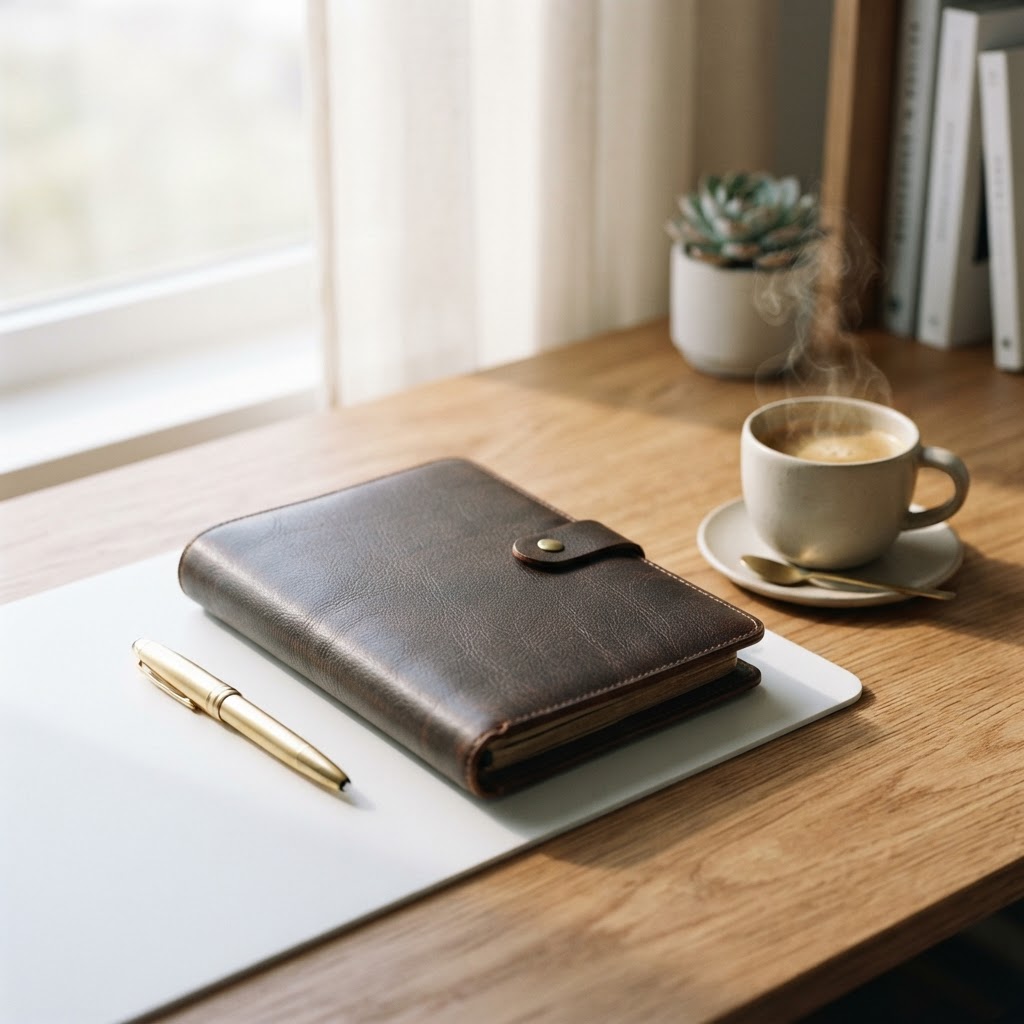
Choosing the right organizational tools is less about finding the most popular item and more about understanding your specific daily rhythm. Whether you are managing a complex professional project or simply trying to build better habits at home, the physical medium you use to track your progress influences your consistency. Before investing in a new system, it is vital to assess what kind of structure you actually need, rather than what you hope to use.
Defining Your Organizational Style
The first step in upgrading your workflow is determining if you are a big-picture thinker or a granular task-oriented person. If you struggle with time management, you may benefit from a structure that breaks larger goals into monthly, weekly, and daily segments. This prevents the feeling of being overwhelmed. For those who frequently visit Clever Fox to find stationery solutions, the abundance of choice can be distracting. To filter these options effectively, look for layouts that offer dedicated space for reflection alongside your to-do lists. Reflection is the bridge between recording tasks and actually improving your efficiency.
If you prefer to focus on financial health, prioritize tools that include budgeting templates. These allow you to track expenses alongside your schedule, ensuring that your financial goals remain visible throughout the month. When you match the tool’s layout to your primary objective, you spend less time configuring the system and more time executing your plans.
Matching Tools to Your Environment
Consider the physical space where you do most of your work. If your desk is limited in size, a large, bulky planner might become an obstacle rather than a helper. Smaller, portable journals are better suited for those who travel or work in multiple locations. The best organizational tool is one that is always accessible when a thought or task arises. If you have to dig through a bag or clear off a desk to access your planning system, you are less likely to use it consistently.
Many users find that a combination approach works best. You might use a digital calendar for meetings while keeping a physical book for deep work or habit tracking. Visit our curated collections to see how different items can complement each other, especially when building a comprehensive planning system that blends digital convenience with tactile focus.
Avoiding Common Planning Pitfalls
The most common mistake people make is buying a high-end tool expecting it to fix their organizational habits instantly. A new planner is a catalyst, not a substitute for discipline. Do not fall into the trap of over-optimizing your setup with too many accessories. Stick to a simple, repeatable routine for at least thirty days before deciding that a specific format is not working for you. Habit formation requires repetition, and changing your method every week will only hinder your progress.
Additionally, be wary of buying tools that require too much maintenance. If your organizational system demands hours of setup or elaborate decoration, you will eventually view it as a chore. If you ever feel stuck or unsure about which direction to take, exploring the latest offer updates can provide insight into which tools are currently popular among goal-oriented shoppers. Keep your setup lean and functional, ensuring that the tool supports your goals instead of adding to your daily administrative burden.
Evaluating Quality and Longevity
When selecting paper products, consider the thickness of the pages and the durability of the binding. You want an item that can withstand daily use without the pages falling out or ink bleeding through to the other side. Think about how you intend to use the item; if you use fountain pens or heavy ink, paper quality becomes paramount. While browsing, look at the physical specifications of each item to ensure they meet your daily requirements. Just as you would research home equipment at places like 1-800Lighting, take the time to read the product descriptions for any stationery item to ensure it offers the durability you need for a year of consistent use.
Remember that the goal is progress, not perfection. Whether you are using a daily planner or a specialized goal journal, the value lies in the clarity it brings to your schedule. By choosing tools that align with your natural working style, you create a sustainable foundation for success.
Frequently asked questions
How do I know which planner layout is right for me?
Determine whether you prefer to see your whole month at once or if you need to focus on granular daily tasks. If you often feel overwhelmed, a layout that breaks down monthly goals into weekly and daily action items is usually the most effective approach.
Should I use digital tools or paper planners?
Many people find success using a hybrid approach. Digital tools are excellent for reminders and recurring events, while paper planners provide a tactile way to focus on deep work, habit tracking, and personal reflection without digital distractions.
What is the biggest mistake when starting a new planner?
The most common mistake is expecting the tool itself to change your behavior. It is important to treat a planner as a supportive framework for your discipline, keeping your entry process simple to ensure you actually stick with the habit for the long term.
How often should I review my goals in a journal?
For most, a weekly review is the sweet spot. It allows you to look back at what you accomplished during the previous week and adjust your upcoming priorities, ensuring that your daily actions remain aligned with your larger, long-term objectives.
How do I keep my planning system from becoming a chore?
Avoid overly complex setups that require excessive maintenance or time-consuming artistic decoration. Focus on functional, minimalist layouts that get you to your tasks quickly, and prioritize consistency over perfection in your daily entries.


