
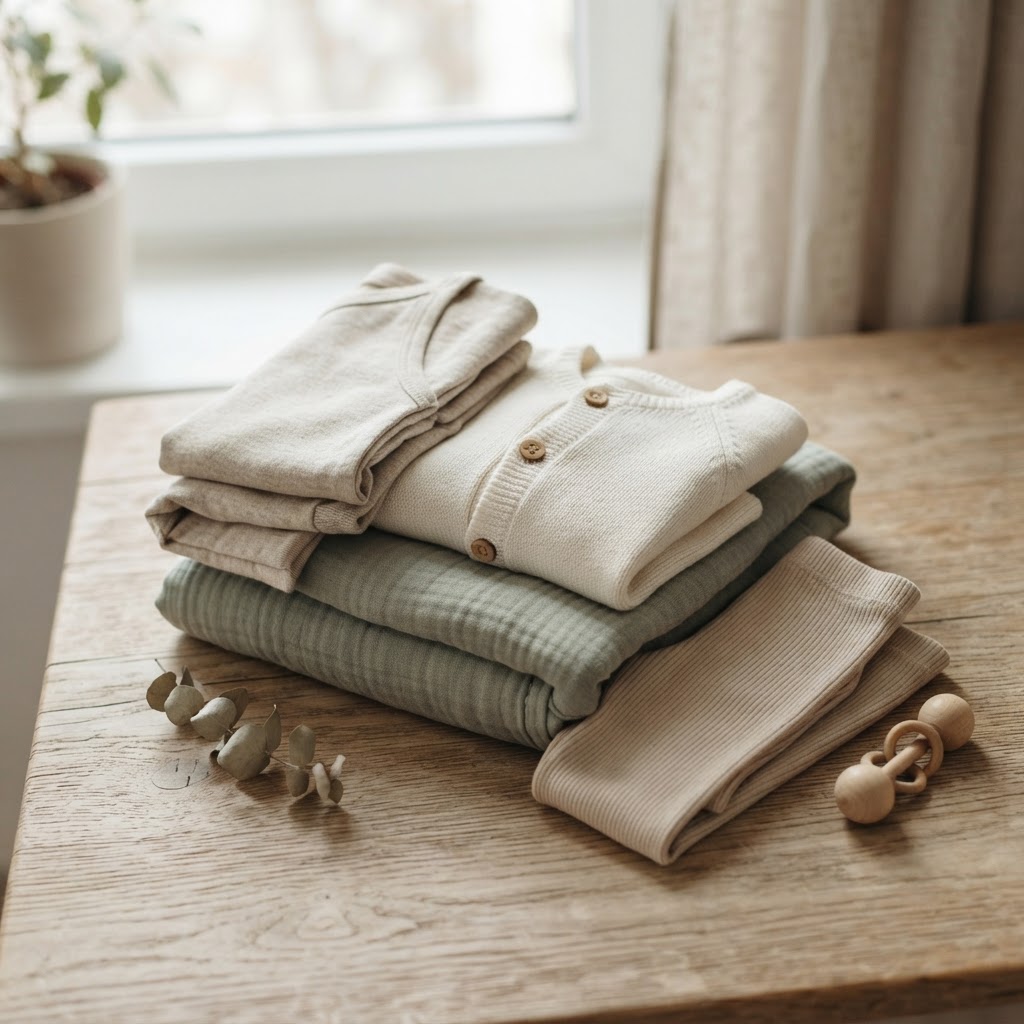
Understanding Fabric Quality for Infants
Choosing clothing for a newborn or toddler requires a different set of priorities than shopping for adults. Because infant skin is significantly thinner and more sensitive, the material composition of every garment is the most critical factor to consider. When browsing collections at Kaiya Baby, look for natural, breathable fibers that offer gentle touch without potential for irritation. Cotton, particularly organic varieties, remains a gold standard because it allows for airflow and moisture regulation, which helps maintain a steady body temperature for the child. Avoid heavily synthetic blends that might trap heat or feature rough interior stitching that could chafe sensitive skin during daily movement.
When you explore the broader baby & kids clothing market, evaluate how the fabric feels against your own pulse point. If a material feels stiff or scratchy to you, it will be uncomfortable for a baby who spends much of their day lying down or crawling. Prioritize high-quality, long-staple cottons that hold their softness even after multiple cycles in the laundry. Durability matters just as much as initial softness; you want pieces that won't pill or lose their shape after a week of frequent diaper changes and naps.
Prioritizing Functionality in Daily Essentials
A beautiful outfit is only useful if it is practical for the parent to put on and take off. The "fast-change" capability is a non-negotiable feature for any parent. Look for designs that feature well-placed snaps, magnetic closures, or high-quality zippers that do not catch on fabric or skin. When you browse the various styles at Kaiya Baby, notice how the cuts accommodate movement. A well-designed bodysuit or sleep sack should provide enough room in the diaper area without being excessively baggy, which can cause the fabric to bunch up and become uncomfortable.
Another common mistake is purchasing items based strictly on size labels rather than individual measurements. Every child grows at a unique pace, and sizing standards can vary widely between manufacturers. Always check the brand-specific sizing charts rather than relying on age-based estimations. Buying slightly larger sizes is often a better strategy than choosing pieces that fit perfectly right now, as it allows for a longer period of use. This is particularly important for seasonal items or specialized sleepwear where comfort and ease of movement are vital for healthy rest.
Building a Versatile Wardrobe
Rather than stocking up on numerous single-use, overly embellished outfits, focus on building a collection of versatile staples. The most useful pieces in a child’s closet are those that can be layered easily depending on the ambient temperature. A base layer like a simple bodysuit paired with a cardigan or a pair of leggings offers much more utility than a complex, multi-piece ensemble that requires constant adjusting. Before finalizing your purchases, it is often wise to check for current promotional opportunities to ensure you are maximizing your budget while building this wardrobe.
When selecting pieces for different seasons, consider how the garment can function as part of a system. Sleep sacks are excellent examples of functional design that prioritize safety and warmth without the need for loose blankets. You can often find a variety of styles by reviewing available deals to see how specific categories are priced across various collections. The goal is to minimize clutter in the nursery while maximizing the number of usable, comfortable outfits available for daily rotation.
Common Pitfalls to Avoid
Many new parents fall into the trap of prioritizing aesthetic trends over garment safety and comfort. While an outfit might look photogenic, consider the hardware involved. Tiny buttons, loose decorative ribbons, or scratchy appliques can pose potential hazards or simply become a source of frustration during a quick change. Always prioritize smooth, flat-lock seams and soft, encased elastic bands that stay put without digging into the baby’s skin. If an item requires extensive time to fasten, it will likely stay at the back of the closet.
Lastly, keep a simple inventory of what you have before adding new pieces. Overbuying is common in the early months, but children outgrow items so rapidly that a large surplus often remains unworn. By maintaining a lean, high-quality collection of essentials, you ensure that every item in the closet is soft, safe, and ready for use. This approach saves time, reduces laundry stress, and keeps your focus where it belongs: on your child's well-being and daily comfort.
Frequently asked questions
What is the most important factor when choosing baby clothing?
The most important factor is the fabric composition. Natural, breathable, and soft materials like organic cotton are ideal because they are gentle on sensitive infant skin and help regulate body temperature.
How should I decide on the right size for my child?
Ignore age-based size labels and focus on your child's individual measurements. Always check the brand-specific size guide provided by the retailer to ensure a proper fit.
Are zippers or snaps better for baby clothing?
Both have benefits, but look for high-quality zippers that do not catch on skin and durable snaps. The best choice is whatever makes diaper changes quicker and easier for you as a parent.
How can I avoid buying too many baby clothes?
Focus on building a capsule wardrobe with versatile, easy-to-layer pieces. Avoid buying excessive, overly embellished outfits that serve only one purpose, and stick to functional, high-quality essentials.
Why is layering important for babies?
Layering allows you to easily adjust your baby's clothing based on changes in temperature. This helps ensure they stay comfortable and safe without the need for loose blankets or heavy, restrictive layers.


