
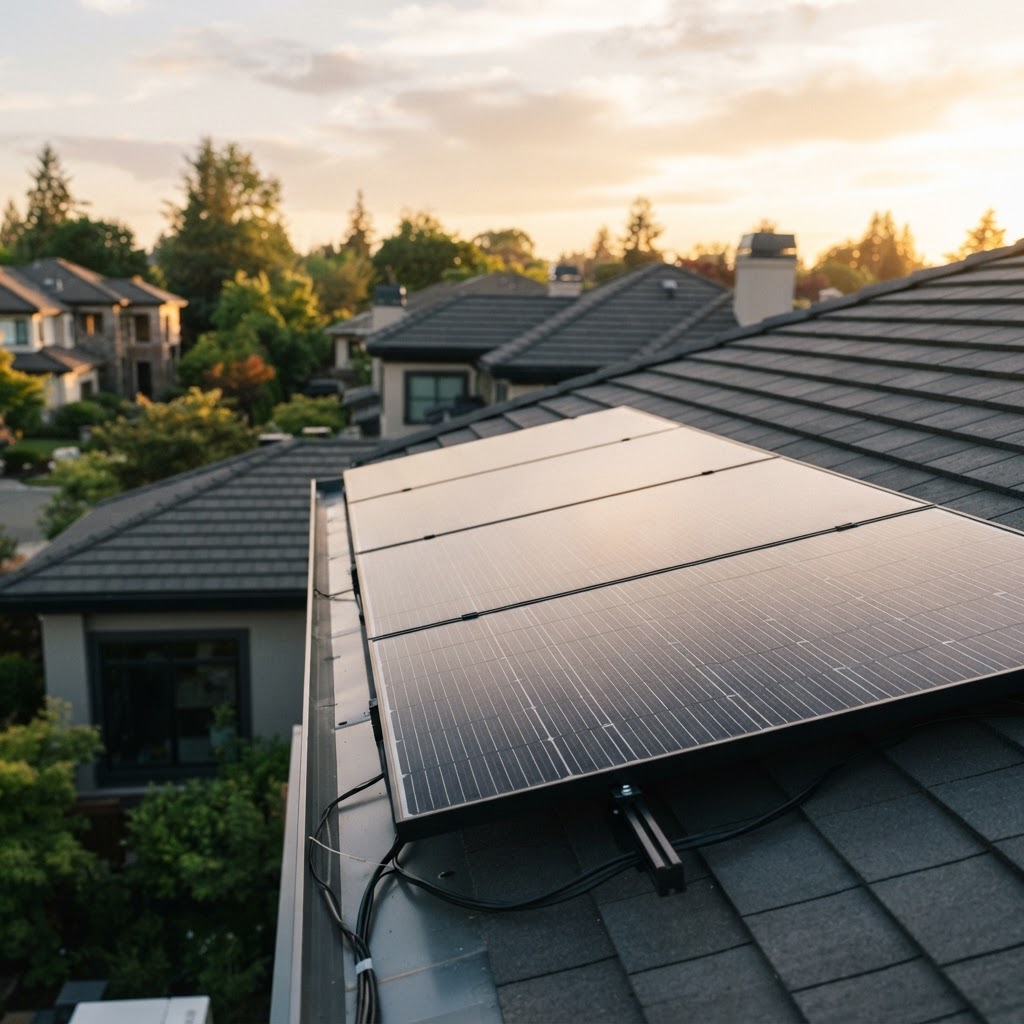
Transitioning to solar power requires a clear understanding of how individual components work together to create a reliable, long-term energy solution. Whether you are looking to offset electricity costs or establish an independent power backup, the complexity of solar and renewable energy hardware can be daunting. By focusing on the integration of panels, inverters, and storage, you can ensure your system is both efficient and scalable.
Selecting the Right Solar Components
The foundation of any solar installation lies in the selection of panels and inverters. Solar panels convert sunlight into electricity, but the efficiency of that conversion depends on the quality of the photovoltaic cells and the specific mounting systems used to orient them. Before purchasing, consider the space available on your property and the average solar irradiance of your location. A mounting system that allows for precise angling can often compensate for less-than-ideal roof orientations.
Equally critical is the solar inverter. This device acts as the brain of the system, converting the direct current (DC) produced by panels into usable alternating current (AC) for your appliances. When browsing options at vendors like Sun Gold Power Co.,Ltd, verify that the inverter capacity matches or exceeds your peak load requirements. An undersized inverter can significantly limit the output of high-performing solar panels.
Optimizing Energy Storage and Backup
A system without energy storage is useful only while the sun is shining. Adding solar batteries is the most effective way to ensure your home remains powered during grid outages or at night. Modern lithium-based energy storage solutions offer significantly higher cycle lives and better depth-of-discharge ratings compared to traditional lead-acid options. When sizing your battery bank, calculate your daily energy consumption in kilowatt-hours and determine how many hours of autonomy you require for essential circuits like refrigerators, lighting, and communication devices.
For those not ready to commit to a full residential array, portable solar generators provide a versatile alternative. These units integrate battery storage and inverter functions into a single mobile housing, making them ideal for temporary power needs or recreational use. If you are starting your research, keep an eye on our latest coupon codes to help manage the hardware costs associated with high-capacity battery units.
Avoiding Common Pitfalls
One of the most frequent mistakes homeowners make is failing to account for system expansion. Renewable energy is often modular, yet retrofitting an existing system with more panels or batteries can be complicated if the initial inverter or charge controller was not selected with future growth in mind. Always opt for a controller that can handle a slightly higher voltage than your current array generates to avoid replacing the unit later.
Another common oversight is ignoring the importance of proper cabling and safety accessories. Efficiency losses in a solar system are frequently caused by poor connections or cables that are too thin for the amperage they carry. Investing in high-quality connectors, breakers, and fuses is not just about performance; it is about protecting your hardware from fire hazards and short circuits. If you find the vast array of choices overwhelming, you may want to review our featured offers for bundle deals that often include necessary accessories alongside core components.
Evaluating Long-Term Performance
Beyond the initial acquisition, maintenance plays a significant role in the longevity of your renewable investment. Environmental factors like dust, pollen, and salt air can degrade solar panel performance over time. While most systems are relatively low-maintenance, a schedule for checking connections and cleaning panels ensures that you are consistently capturing the maximum available energy. Pay close attention to the communication interface of your inverter, as this will provide the data you need to identify underperforming panels or battery degradation early.
Finally, remember that the goal is not just to purchase gear, but to create a system that serves your specific lifestyle. Whether you are building an off-grid cabin or enhancing a grid-tied home, the principles of compatibility and balance remain the same. Research the technical specifications thoroughly before clicking purchase, and consider how each component fits into your long-term energy goals. By staying informed and strategic about your purchases, you can build a robust energy system that offers reliability for years to come.
Frequently asked questions
What is the most important factor when choosing solar panels?
Efficiency and durability are paramount. You should look for panels with a high conversion efficiency rating to maximize energy production in limited spaces, alongside a sturdy frame that can withstand local weather conditions like wind or heavy snow.
Do I need a battery if my system is grid-tied?
While not strictly required, a battery is highly recommended for grid-tied systems. It provides essential backup power during grid outages and allows you to store excess energy generated during the day for use in the evening, maximizing your self-consumption.
How do I know what size inverter to buy?
Calculate the total wattage of all the appliances you intend to run simultaneously. Your inverter must have a continuous power rating that exceeds this total, and you should ideally add a 20% margin to handle power surges from motors or compressors.
Can I mix and match different brands of solar equipment?
Yes, but you must ensure electrical compatibility. Voltages, current ratings, and communication protocols between components like charge controllers and inverters must align to prevent damage and ensure the system operates at optimal efficiency.
What maintenance is required for solar systems?
Solar systems require minimal maintenance, but periodic tasks are vital. This includes cleaning debris off panels to ensure maximum light absorption and inspecting wiring and cable connections for signs of corrosion or wear to maintain safety.


