
The Importance of Preventive Gear Maintenance
Your camera and lenses are more than just tools; they are precision instruments that require consistent care to function at their best. Dust, moisture, and micro-particles can compromise your image quality and, over time, damage the internal mechanics of your device. Establishing a proactive cleaning routine is the most effective way to protect your hardware investment. When you look at high-quality cameras and photography accessories, you will notice that the longevity of these items is directly linked to how well you manage their cleanliness.
Many photographers underestimate how easily debris settles onto a sensor or lens element. A single grain of sand or a fingerprint can ruin a shot, but repeated exposure to these elements without proper intervention leads to permanent degradation. Utilizing professional-grade kits from VSGO allows you to perform these delicate tasks with confidence. By standardizing your maintenance process, you reduce the risk of accidental scratches or chemical damage caused by using improper household cleaners.
Understanding the Tools You Need
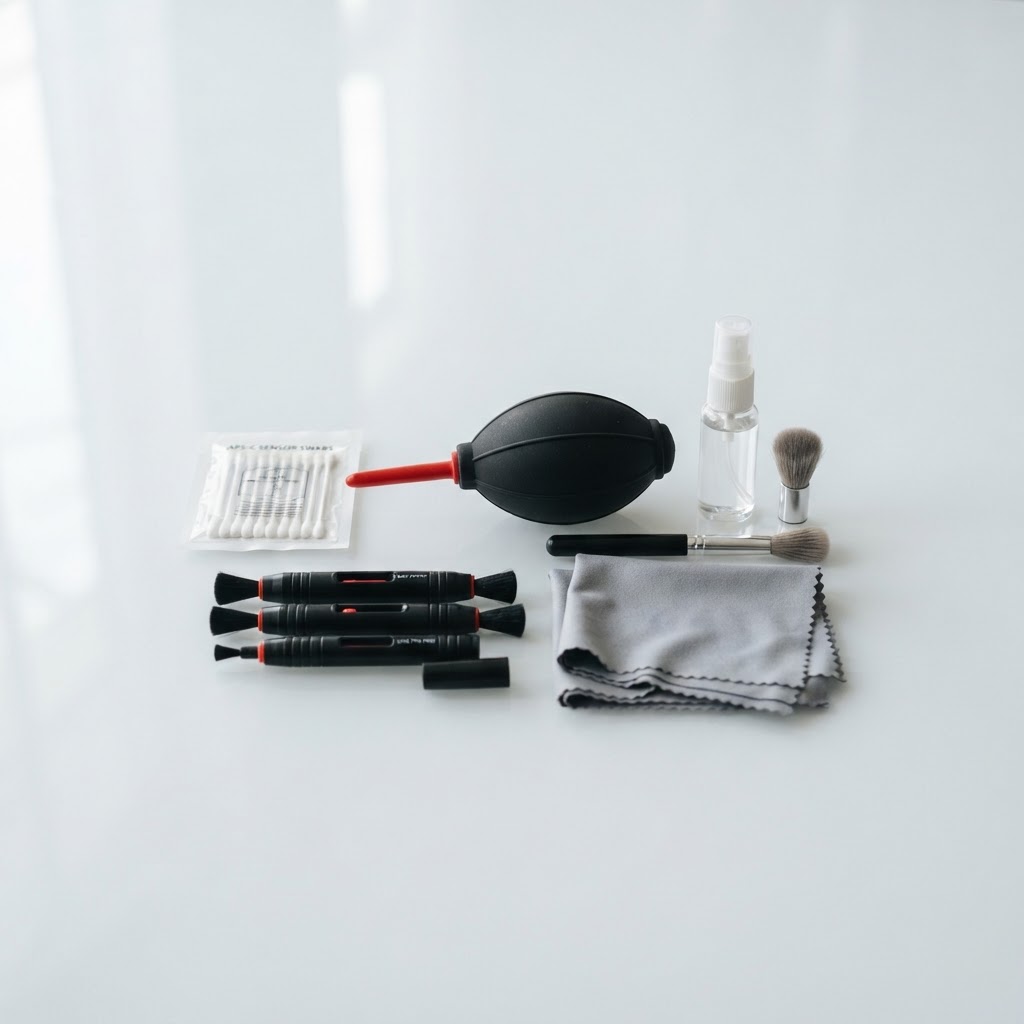
Before you begin cleaning any device, it is crucial to recognize that not all tools are created equal. The market is flooded with generic products, but for delicate optical glass and sensors, you need specialized equipment. You should prioritize tools designed for professional maintenance, which you can explore through various online shopping resources. A basic kit usually consists of an air blower, soft-bristled brushes, lint-free microfiber cloths, and dedicated sensor cleaning swabs.
When selecting your gear, look for the following characteristics:
- Air Blower Strength: Ensure the blower provides a high-volume, unidirectional burst of air without sucking in dust through the nozzle, which could potentially blow internal contaminants back onto your sensor.
- Microfiber Quality: Choose cloths that are specifically designed for optics. These are woven to pick up oils rather than smearing them, and they are usually laser-cut to prevent loose fibers from fraying.
- Chemical Solutions: Always use solutions formulated for your specific application. A sensor cleaning fluid is different from a general lens cleaning fluid, and mixing them up can leave residue on your sensor that is difficult to remove.
Establishing a Consistent Cleaning Workflow
Consistency is the hallmark of a well-maintained camera bag. Instead of waiting until you spot a dark smudge on your images, make it a habit to check your gear after every shoot. Start by using an air blower to remove loose debris from the exterior of the camera body and the lens elements. This simple step prevents loose grit from being ground into the surface when you move on to using cloths or brushes.
If you find that spots persist, evaluate if they are on the lens or the sensor. If you are using professional maintenance kits from places like VSGO, you will have specific instructions tailored to each surface type. Always start with the least aggressive cleaning method. Often, a gentle sweep with a lens pen or a dry microfiber cloth is sufficient to remove minor oil smudges. Never apply fluid directly to the glass; always apply a small amount to the cloth first, then gently wipe in a circular motion starting from the center and moving outward.
Common Pitfalls to Avoid
One of the most common mistakes is the "over-cleaning" trap. Aggressive scrubbing can strip specialized coatings from lens glass or, worse, leave physical scratches. Similarly, using compressed air cans meant for keyboards on a camera sensor can be disastrous, as the propellant can freeze or spray oily residue onto the delicate electronics. Stick to manual, high-quality air blowers for the interior components.
Another frequent oversight is neglecting the camera bag or the area where you store your gear. Even the best maintenance routine will be undermined if you put a clean lens back into a dusty, crumb-filled backpack. Take a few minutes to vacuum or wipe out your equipment cases periodically. You can find more comprehensive advice on organizing your shopping needs by browsing our featured collections. By managing your environment and using the correct tools, you ensure your equipment stays ready for the next job.
Ultimately, professional cleaning is about precision, not power. Whether you are maintaining a vintage lens or a modern mirrorless system, the goal is always to restore the item to its original factory condition. Taking the time to master these techniques ensures that your gear supports your creative vision for years to come.
Frequently asked questions
How often should I clean my camera lens?
You should check your lens for dust or smudges after every outdoor shoot. If it appears clean, a simple air blower treatment is sufficient, but avoid deep cleaning with fluids unless there is a visible smudge or oily residue.
Is it safe to use compressed air cans on camera sensors?
It is generally not recommended to use compressed air cans on camera sensors. These cans often contain propellants that can leave a residue on the sensor or blast dust further into the camera body.
What is the difference between a lens cloth and a regular microfiber cloth?
Lens cloths are specifically woven to attract oils and prevent lint from shedding. Standard microfiber cloths found in household sections may be too abrasive for delicate optical coatings or may leave behind synthetic fibers.
Why does my camera sensor have dark spots even after blowing it out?
If dark spots remain after using an air blower, they are likely stuck due to moisture or oils. You will likely need to use a dedicated sensor swab and cleaning solution to carefully lift the debris from the sensor glass.
Can I use household glass cleaner on camera lenses?
No, you should never use household glass cleaners, as they often contain ammonia or other harsh chemicals. These can permanently strip the anti-reflective coatings applied to high-quality camera lenses.


