
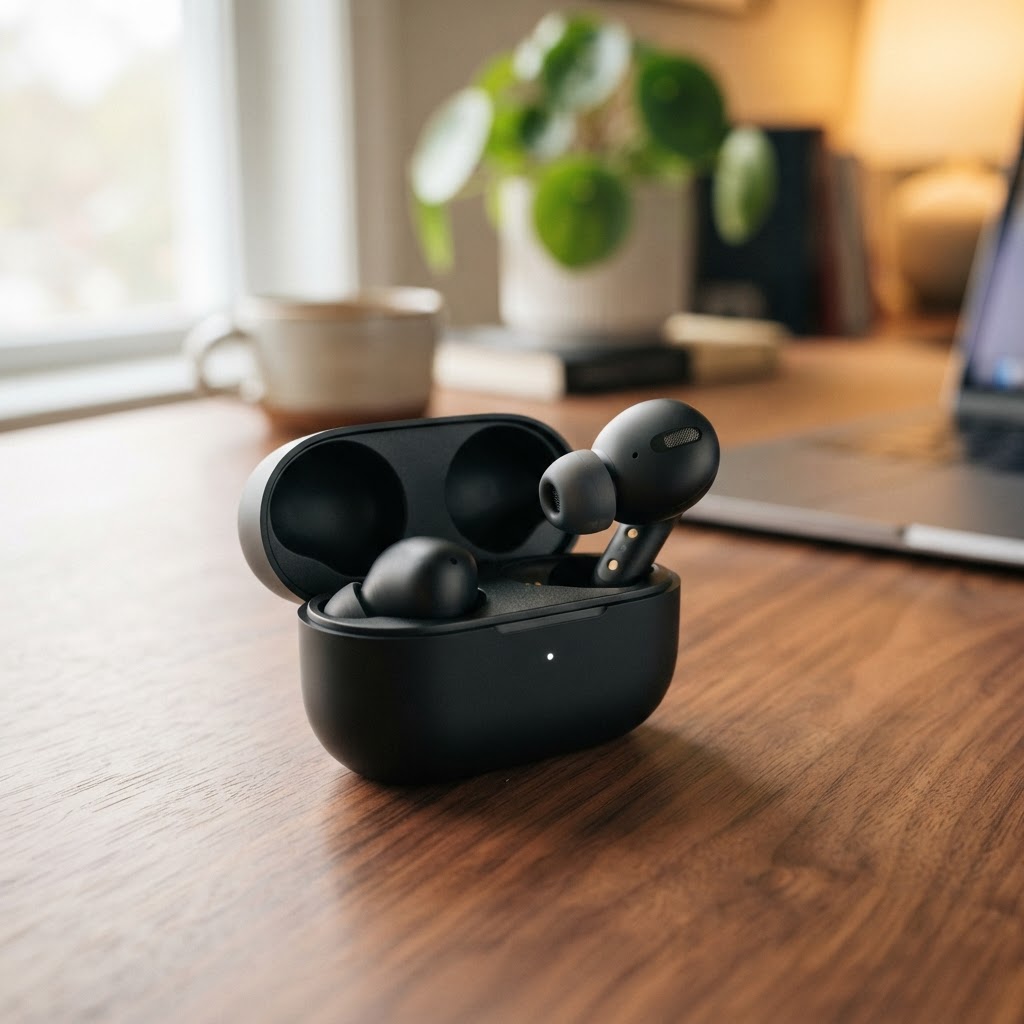
Finding the right pair of wireless earbuds or headphones involves more than just picking a popular model. With an abundance of options available, shoppers often struggle to balance technical specifications with personal usage needs. When you explore the catalog at Earfun, Inc, you will notice a diverse range of devices designed for specific environments, whether you are commuting, exercising, or working from home. Navigating these choices requires a systematic approach to ensure you get the most out of your audio equipment purchase.
Evaluating Key Technical Specifications
Before diving into aesthetics, look at the core performance metrics of any audio device. Battery life is frequently the most critical factor for daily users. Consider how long you plan to use your earbuds in a single session. Most modern devices provide a base playback time, but the charging case often significantly extends this duration. Always check the total playtime including the case rather than just the standalone earbud capacity.
Sound quality is subjective, yet objective markers like driver size and frequency response can offer hints about the listening experience. Larger drivers generally provide a fuller sound, especially in the lower frequencies. However, internal software processing and equalizer settings play just as much of a role as the hardware itself. If you prioritize phone calls, look for microphones with noise reduction capabilities to ensure your voice remains clear even in crowded environments. You can often find a variety of featured tech accessories that offer competitive features for your specific needs.
Choosing the Right Form Factor
The physical design of your audio gear dictates how comfortable it will be during extended wear. In-ear monitors, or earbuds, are ideal for portability and active lifestyles. They often feature silicone tips in various sizes to help create a secure seal, which is vital for both comfort and passive noise isolation. If the fit is loose, you lose bass response and external noise floods in, ruining the soundstage.
Over-ear headphones offer a different experience, often favored for long-haul travel or deep work sessions. Their larger cushions distribute weight more evenly around the ears rather than inside the ear canal. If your primary goal is to browse through various musical instruments and audio gear, consider where and when you will actually use the device. An active gym-goer might find large headphones cumbersome, while an audiophile working at a desk might find them significantly more comfortable than buds.
Matching Features to Your Lifestyle
Modern wireless audio often includes active noise cancellation (ANC). This technology uses outward-facing microphones to sample environmental noise and counter it with anti-noise frequencies. It is a game-changer for air travel or noisy office spaces. However, it is not always necessary for everyone. If you mainly listen in quiet environments, you might prioritize sound clarity or battery efficiency over advanced ANC features.
Water and sweat resistance are other vital considerations for those living an active lifestyle. Look for IP ratings, which indicate the device's ability to withstand moisture. A higher rating generally signifies better protection against sweat or light rain. Do not assume every model is waterproof; verify the specific rating before committing to a purchase. When reviewing your options, consider utilizing various discount resources to ensure you are getting the best value for the specific feature set you require.
Avoiding Common Buying Mistakes
One common pitfall is over-indexing on brand marketing rather than reading independent specs. It is easy to get caught up in flashy terms, but practical usage should lead your decision-making process. Another mistake is ignoring connectivity versions. Newer versions of Bluetooth offer better stability, lower latency, and improved energy efficiency. Always verify that your device supports the latest stable Bluetooth standard for a seamless experience with your smartphone or laptop.
Lastly, consider the software ecosystem surrounding the hardware. Many manufacturers offer dedicated apps that allow you to customize equalizer settings, update firmware, or configure touch controls. These apps can transform a standard device into a personalized audio tool. Take the time to look at the app support provided by brands like Earfun, Inc, as it can be the difference between a device that just plays music and one that adapts to your unique preferences. Being strategic in your shopping process will result in a more satisfying long-term investment in your audio setup.
Frequently asked questions
How do I know which earbud tip size will fit me best?
Most wireless earbuds come with multiple sizes of silicone or foam tips included in the packaging. It is best to start with the medium size and adjust based on whether the seal feels loose or the ear canal feels pressured, ensuring a balance between stability and comfort.
Does Bluetooth version really matter for sound quality?
Yes, newer Bluetooth versions provide more stable connections and lower latency, which is essential for video streaming and gaming. While audio codecs dictate the actual sound data quality, a newer Bluetooth connection prevents common issues like intermittent drops or syncing delays.
What does an IP rating tell me about my audio device?
An IP rating indicates the level of protection against solids and liquids. For audio gear, look for ratings like IPX4, which means the device is splash-resistant, making it suitable for workouts or light rain, whereas lower numbers may offer little to no protection.
Is Active Noise Cancellation effective for all types of sounds?
Active Noise Cancellation is most effective against constant, low-frequency sounds like airplane engines or office hums. It is generally less effective at blocking sudden, sharp sounds like voices or sirens, which are better mitigated by the physical seal of the earbud tips.
Why is firmware update capability important for wireless earbuds?
Firmware updates allow manufacturers to optimize the device's battery management, fix connectivity bugs, and occasionally add new features or improved audio profiles after purchase. Regularly checking the manufacturer's app for these updates can significantly improve the longevity and performance of your gear.


