
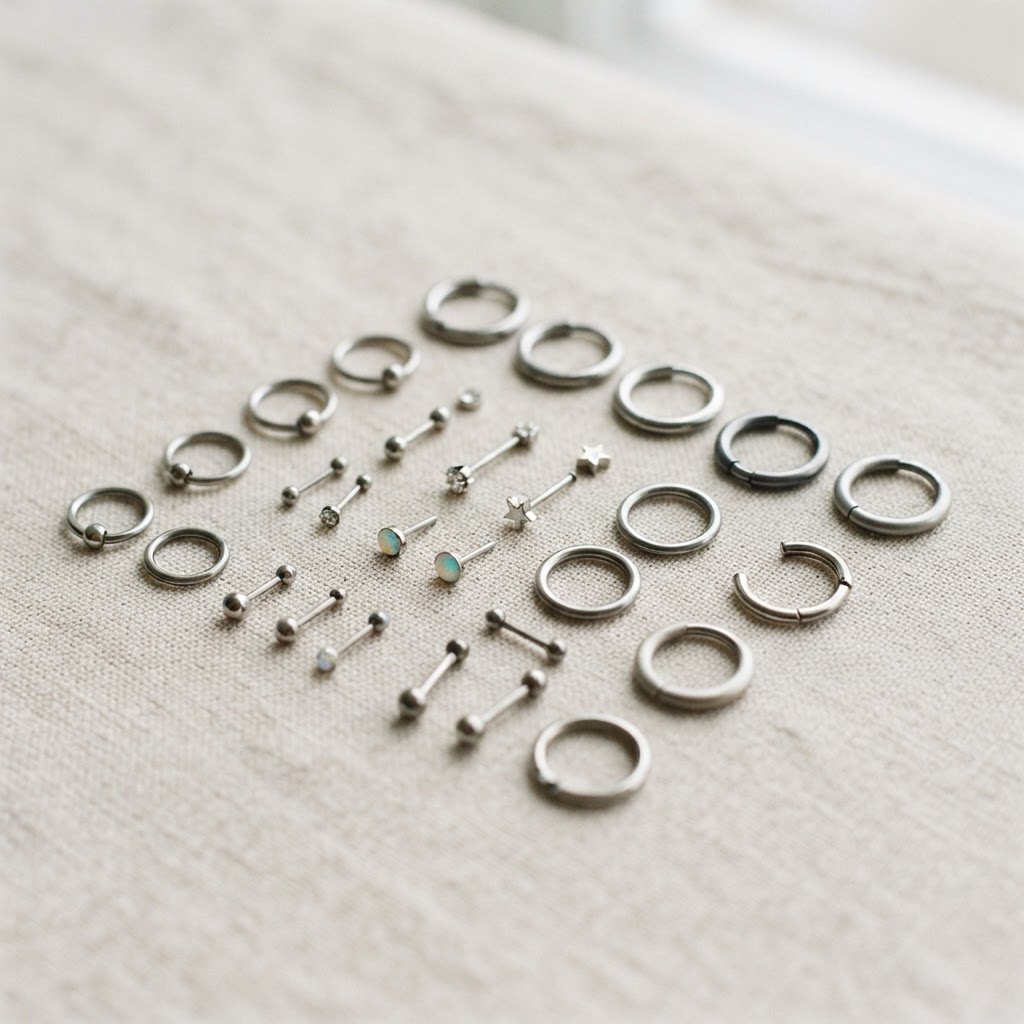
Understanding Material Safety in Body Jewelry
Selecting the right body jewelry is about more than just aesthetics; it is a matter of long-term health and comfort for your piercings. Whether you are looking for new nose jewelry or specialized ear adornments, the material used is the single most important factor. When browsing online collections at OUFER BODY JEWELRY, always prioritize metals known for their biocompatibility. Surgical steel and implant-grade titanium are industry standards because they minimize the risk of irritation, which is particularly crucial for fresh or sensitive piercings.
When you evaluate a piece, look for details regarding the finish. Polished surfaces are less likely to trap bacteria, making them easier to keep clean during the healing process. Avoid low-quality base metals that may tarnish or cause skin discoloration. If you are uncertain about what a specific metal might do to your skin, stick to established materials like titanium, which is lightweight and ideal for those with metal sensitivities. You can explore a variety of options within the jewelry and handbags section of our site to better understand how different styles perform.
Choosing the Right Fit and Style
The perfect piece of body jewelry should fit your anatomy comfortably without putting unnecessary pressure on the tissue. For septum rings and studs, the gauge and length are just as important as the design. A piece that is too tight can restrict airflow or cause swelling, while one that is too loose might snag on clothing. Before making a purchase, take a moment to measure your current jewelry or consult your piercer to ensure you are selecting the correct dimensions.
Beyond fit, consider how the closure mechanism influences your daily routine. Captive bead rings and threaded studs each offer different levels of security and ease of use. If you frequently change your jewelry, you might prefer a style that does not require specialized tools for removal. You can find inspiration by checking out our featured collections, which often showcase popular designs that balance functionality with personal expression. Remember that versatility is key; pieces that can transition from casual daytime looks to more formal evening styles provide the most value for your collection.
Evaluating Quality Before You Buy
It is easy to get caught up in the latest trends, but taking a tactical approach to your shopping list will save you time and frustration. High-quality body jewelry should feel sturdy in your hand. Check the threading on any screw-fit jewelry; it should be smooth and secure. If the jewelry feels flimsy or if the decorative elements appear poorly attached, it may not withstand the rigors of daily wear. When you shop at places like OUFER BODY JEWELRY, prioritize detailed product descriptions that explain exactly what materials are involved.
To make your shopping process more efficient, consider bookmarking current deals or sale pages to see if your favorite styles are currently accessible at a better value. It is helpful to treat your jewelry collection like any other investment—focus on timeless, durable items rather than cheap, disposable accessories that will need to be replaced after a few weeks. A well-curated collection of high-quality staples, such as simple studs or understated hoops, will serve you much better than a drawer full of pieces that are difficult to wear.
Common Pitfalls to Avoid
One of the most frequent mistakes shoppers make is failing to account for their specific piercing size. Always double-check the gauge of your current jewelry before buying a replacement, as even a minor difference can make a piece impossible to wear comfortably. Additionally, be wary of pieces that emphasize heavy, intricate designs for initial or unhealed piercings. While complex charms and large stones look beautiful, they can be heavy and prone to snagging. Save those statement pieces for fully healed piercings where you have more flexibility regarding weight and design.
Finally, do not overlook the importance of cleaning and maintenance. Even the highest-quality titanium or steel jewelry requires regular care to remain looking its best. Use mild, non-abrasive cleaners and always rinse your jewelry thoroughly to prevent residue build-up. By following these steps and staying informed about material quality, you can ensure that your body jewelry collection remains both beautiful and comfortable for years to come. Investing time into understanding your own preferences and anatomy is the best way to ensure every purchase is a successful one.
Frequently asked questions
How do I know which metal is best for my skin?
For most people, implant-grade titanium is the best choice because it is hypoallergenic and lightweight. Surgical steel is another reliable option for many, but if you have a history of metal sensitivities, titanium is generally considered safer for long-term wear.
What does 'gauge' mean when shopping for body jewelry?
Gauge refers to the thickness of the jewelry piece. A lower gauge number actually represents a thicker piece of metal. It is essential to know your current gauge size to ensure the new jewelry fits comfortably through your piercing.
How can I tell if a piece of jewelry is good quality?
Look for descriptions that specify the exact material, such as 316L surgical steel or ASTM F-136 titanium. High-quality pieces should have smooth threads, clear photos showing detailed construction, and a solid, sturdy feel when handled.
Is it safe to change my own piercing jewelry?
It is generally safe to change your jewelry once the piercing has fully healed. If the piercing is still in the healing phase, it is best to have a professional piercer assist you to avoid causing trauma to the tissue or introducing bacteria.
How should I clean my body jewelry?
Clean your jewelry using mild, pH-balanced soap and warm water. Avoid using harsh chemicals, alcohol, or abrasive cloths that could scratch the finish of the metal or damage any decorative stones or coatings.


