
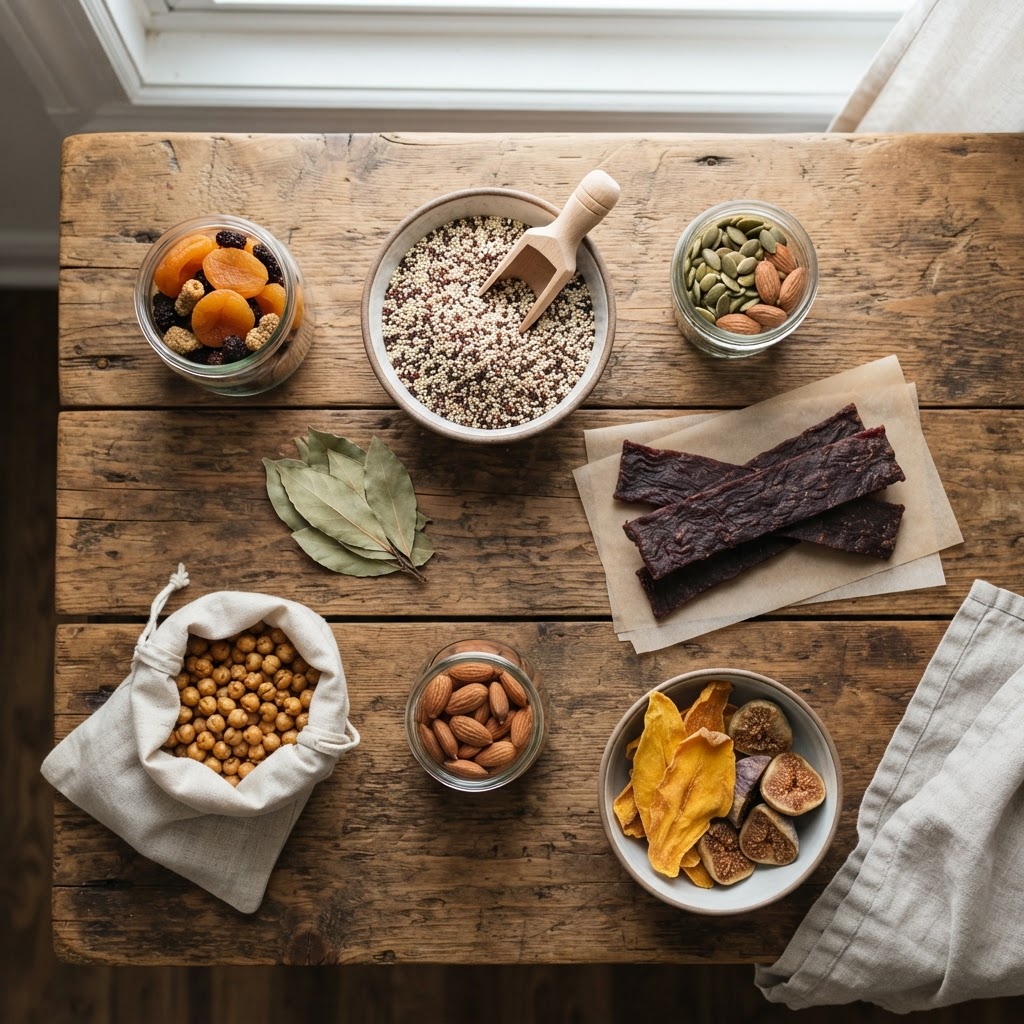
When you start refining your dietary habits, the quality of your pantry staples becomes the most significant factor in your overall success. Moving away from highly processed ingredients requires a shift toward whole-food options that prioritize real, recognizable components. If you are browsing the selection at Wild Zora, you are likely looking for convenience that does not sacrifice nutritional integrity. Evaluating these products effectively ensures that your kitchen remains stocked with items that support your health goals rather than undermining them.
Understanding Ingredient Labels
The primary rule of selecting any packaged food is to look past the marketing claims on the front of the box. Instead, head straight for the ingredient list on the back. A clean, high-quality product generally contains ingredients that you would find in your own kitchen. Look for a short list of items that are easily identifiable. If you encounter ingredients that require a chemistry degree to interpret, consider whether that item truly fits your wellness objectives.
When analyzing these labels, keep an eye out for hidden sugars or fillers. Many snacks that appear healthy on the surface often hide additives that increase shelf life but offer little nutritional value. When browsing the vitamins & supplements section of various retailers, you will notice that the most effective options are those that strip away the unnecessary extras, leaving only the concentrated nutrition your body needs. Apply this same scrutiny to your snacks and meals.
Prioritizing Density and Quality
Nutrient density is the measurement of how much nutrition a food provides per calorie. When you choose meals that are rich in vitamins, minerals, and high-quality proteins, you naturally feel fuller for longer. This is the difference between eating for satisfaction and eating simply for the sake of consuming energy. Whether you are looking at air-dried fruits or instant grain-free options, the goal should be to maximize the output of every calorie consumed.
Consider how these products fit into your daily routine. Do they provide sustainable energy for your busy afternoons, or are they quick fixes that lead to a slump an hour later? High-quality provisions, like those found at Wild Zora, often balance protein, healthy fats, and complex carbohydrates to stabilize your metabolism throughout the day. If you are uncertain about where to start your search for these types of products, exploring featured collections can provide excellent starting points to find reliable, high-quality staples.
Common Pitfalls in Snack Selection
One of the most common mistakes shoppers make is falling for the 'health halo' effect. Just because a package says it is natural or gluten-free does not automatically make it a nutrient-dense powerhouse. It is essential to check for total sugar content, the types of fats used, and the overall protein profile of the item. A product might be free of one allergen but packed with another substance that creates inflammation or digestive distress.
Another error is failing to account for portion control when dealing with shelf-stable meals. Even healthy ingredients can become problematic if the calorie density is significantly higher than your body's energy requirements for that specific activity level. Using various discount tools to sample smaller quantities before committing to bulk purchases can help you identify which flavors and ingredient profiles work best for your lifestyle without breaking the bank.
Creating a Sustainable Routine
Consistency is key to any long-term nutrition plan. Having a supply of reliable, healthy meals at the ready prevents the urge to turn to less desirable alternatives when you are pressed for time. By curating your pantry with items that align with your health standards, you effectively lower the friction required to make good choices. Look for versatility; items that can be quickly added to a salad, used as a standalone snack, or transformed into a larger meal are the most valuable tools in your culinary arsenal.
Ultimately, your food choices are a reflection of your commitment to yourself. By taking the time to evaluate the ingredient lists and focusing on nutrient density, you create a food environment that empowers your goals. Whether you are stocking up on protein-rich bars or quick-cooking quinoa, the criteria for success remain the same: look for clean labels, transparent sourcing, and ingredients that support your biological needs.
Frequently asked questions
What should I look for on a label to ensure a product is healthy?
Prioritize products with short, recognizable ingredient lists. Avoid items with excessive added sugars, artificial preservatives, or hydrogenated oils, and ensure the primary ingredients are whole foods like vegetables, meats, or grains.
How do I determine if a snack provides enough energy?
Look for a balance of macronutrients, specifically protein and healthy fats, which slow down digestion and prevent energy spikes. These components help ensure that your snack provides sustained fuel rather than a quick sugar rush.
Why is nutrient density important for busy schedules?
Nutrient-dense foods provide the maximum amount of vitamins and minerals for every calorie consumed. When you are busy, these foods keep you satiated for longer, preventing the need for frequent snacking or reliance on low-quality convenience foods.
Is it better to buy in bulk or try smaller amounts first?
Trying smaller amounts is generally safer until you identify which flavors and textures you truly enjoy. Many retailers offer sample packs or smaller bundles that allow you to test products without a large initial investment.
What is the 'health halo' effect when shopping for food?
The health halo occurs when consumers assume a product is healthy simply because of specific buzzwords like 'natural' or 'organic' on the packaging. Always verify these claims by reading the actual nutritional facts and ingredient labels.


