
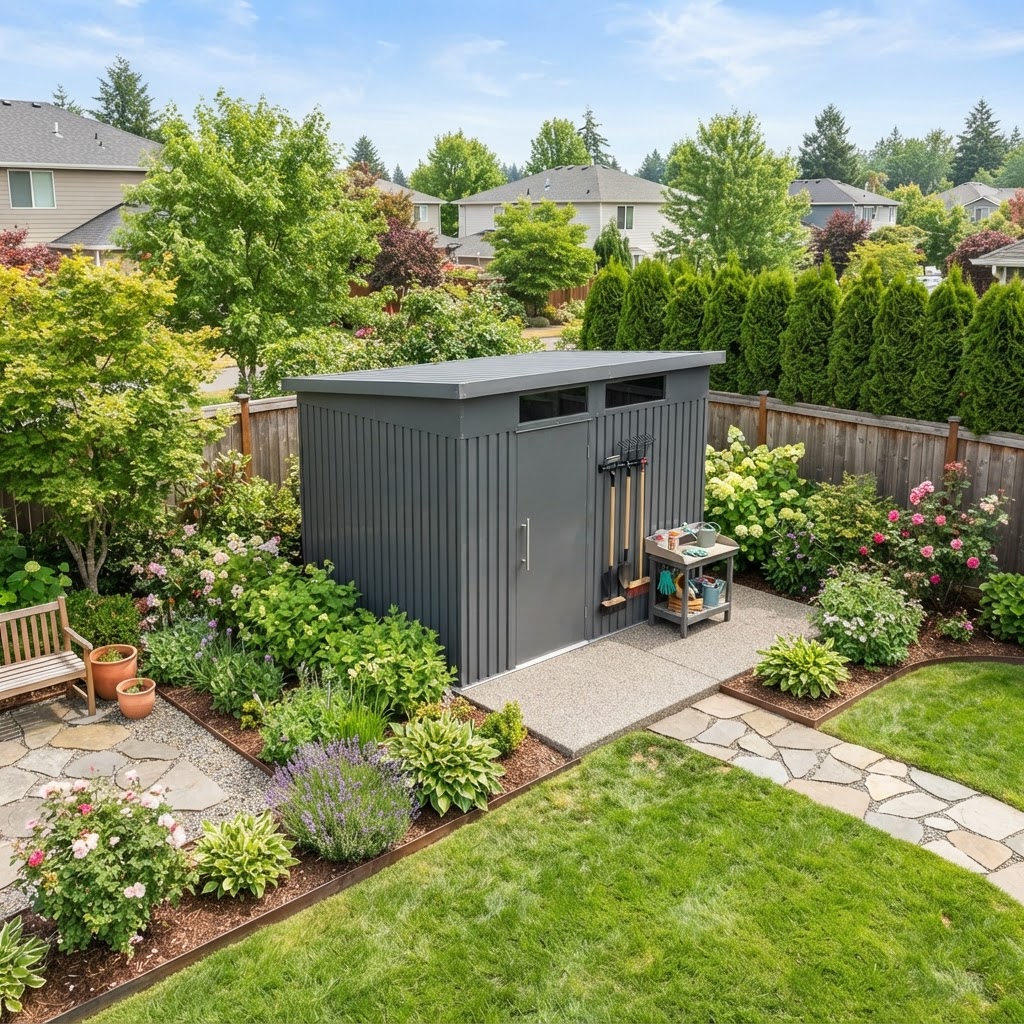
Outdoor storage is often an afterthought until you find yourself tripping over garden hoses, lawnmowers, and seasonal equipment. Whether you are dealing with a cramped patio or a sprawling backyard, investing in the right structure can transform your living space from cluttered to functional. Retailers like Patiowell specialize in providing engineered solutions designed to withstand the elements while keeping your tools secure. Making an informed choice starts with understanding your specific storage needs, available footprint, and the local climate.
Assessing Your Storage Footprint and Capacity
Before you begin shopping for a shed, grab a measuring tape and map out the area where you intend to place the unit. It is easy to underestimate the bulk of a lawnmower or the height of long-handled gardening tools. Start by cataloging exactly what you need to store. If you are protecting power tools and sensitive equipment, you need a unit that is not only spacious but also lockable and weather-tight. For those with limited space, compact vertical sheds are often more efficient than horizontal designs, as they utilize height rather than ground coverage.
As you evaluate your home and garden layout, consider the accessibility of the unit. You should leave enough clearance for doors to swing open fully without hitting fences or planters. If you plan on moving heavy items in and out frequently, consider the threshold height of the shed. A flush or low-profile entry point makes rolling equipment like bicycles or wheelbarrows significantly easier to manage.
Material Selection and Durability Factors
The longevity of your outdoor structure depends largely on the materials used. Metal storage sheds, often favored for their structural integrity, offer robust protection against pests and fire hazards. When evaluating these options, look for details regarding protective coatings or galvanized finishes that resist rust and corrosion. If you reside in an area with high moisture or intense sun, the quality of these finishes is critical to preventing long-term degradation.
You might want to browse various current deals to see how different materials compare in terms of cost and long-term value. While wood sheds offer a traditional aesthetic, they require regular maintenance, such as staining and sealing, to prevent rot. Synthetic materials, like high-density resin or plastic, are popular for their low-maintenance nature but may vary in their structural performance under heavy snow loads or high wind conditions. Always verify if the design specifications mention reinforcement for stability.
Common Mistakes to Avoid During Selection
One of the most frequent errors homeowners make is ignoring site preparation. No matter how high-quality the unit is, if it is placed on uneven ground, the doors will eventually become misaligned, and the structure may become unstable. Ensure your surface is level, typically by using a gravel base or a concrete pad, before installation begins. If you are unsure about the assembly process, check if the retailer provides clear, comprehensive instructions for the specific model you are considering.
Another common mistake is neglecting internal organization. A shed is only as useful as its internal layout. Consider if the model allows for modular shelving, hooks, or hanging storage kits. Without these, your new structure can quickly become a disorganized pile of equipment. By planning your internal storage strategy before assembly, you ensure that every square inch of the shed is maximized for efficiency.
Optimizing Your Garden Infrastructure
Beyond standard sheds, think about how other garden structures contribute to a functional backyard. A high-quality motorized patio umbrella or a well-placed storage unit can significantly improve your outdoor experience. When you explore the catalog at Patiowell, look beyond the main storage structures to see how complementary items might serve your space. Being strategic about these purchases allows you to create a cohesive look that is both attractive and practical.
When you feel ready to commit to a purchase, it is always a good practice to review current market options and compare features. Taking a methodical approach—measuring correctly, choosing the right material for your climate, and planning for internal organization—will ensure you get the most longevity and utility out of your new outdoor storage solution. With the right foundation and a clear understanding of your needs, you can clear the clutter and reclaim your backyard as a space for relaxation rather than a storage graveyard for unused gear.
Frequently asked questions
How do I determine the right size for an outdoor shed?
Start by listing every item you intend to store, including large machinery like lawnmowers. Measure the height, width, and depth of these items, then add at least 20% to that total for maneuverability and shelving space.
What is the best surface to place a metal shed on?
A level, firm base is essential for the longevity of a metal shed. A concrete slab, a crushed gravel foundation, or heavy-duty deck blocks are recommended to keep the structure stable and prevent the doors from becoming misaligned.
How can I prevent moisture build-up inside my storage shed?
Ventilation is the key to preventing mold and rust. Look for models that feature built-in vents or louvered panels that allow for consistent airflow, and avoid placing your shed directly against dense foliage or walls that block natural air circulation.
Are there specific maintenance steps for metal sheds?
Generally, metal sheds are low-maintenance. You should periodically rinse the exterior with water to remove dirt and debris, and occasionally check for and touch up any scratches on the protective finish to prevent potential rust spots.
What should I look for in a shed door design?
If you plan on storing bikes or lawn equipment, look for wide, double-door openings to ensure easy access. Additionally, check that the doors have secure locking mechanisms to keep your equipment safe from theft.


