
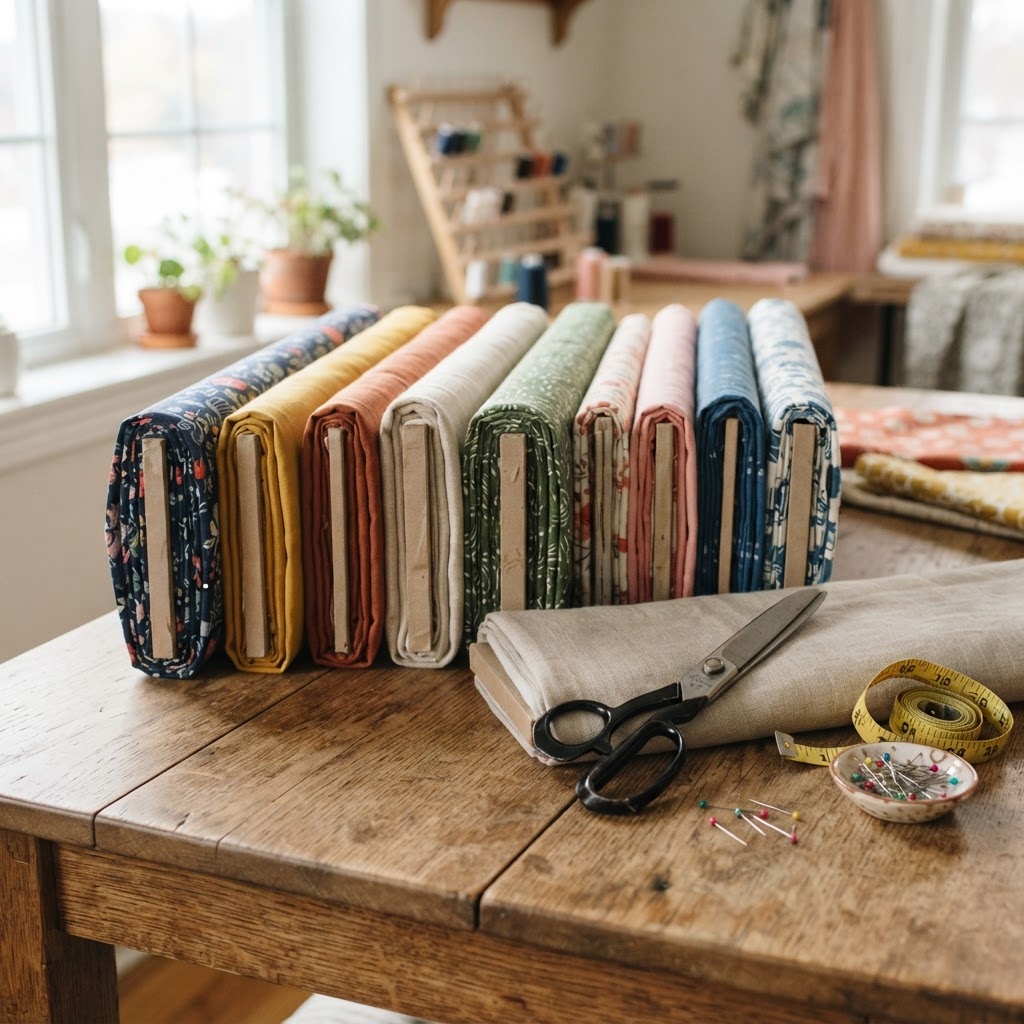
When embarking on a new sewing project, the quality of your materials dictates the final outcome as much as your technical skill. Whether you are constructing a tailored garment or starting a home decor craft, finding a reliable supplier is the first step toward success. Many makers find exactly what they need by browsing the extensive catalogs available at Minerva. However, having access to a vast inventory requires a focused approach to ensure you select the right components for your specific vision.
Understanding Fabric Specifications
Before you commit to a purchase, you must decipher the technical details of the textiles you are viewing. Start by assessing the fiber content and weight. A common mistake for beginners is choosing a fabric that looks beautiful but lacks the structural integrity required for their pattern. For instance, a lightweight voile might be perfect for a breezy summer dress but would be disastrous for a structured blazer. Always read the fabric description thoroughly to understand the drape, stretch percentage, and weave density.
When you explore arts, crafts & hobbies collections, pay attention to the care instructions provided. High-maintenance fabrics that require dry cleaning or precise hand washing can frustrate a home sewer. If you plan to make items that require frequent laundering, look for cotton blends or pre-shrunk synthetics that offer durability without constant worry. Comparing different fabric weights side-by-side helps you understand how a garment will hang on the body, a detail often overlooked by those just starting their journey.
The Importance of Tools and Notions
Fabric is only half of the equation; your sewing machine needles, thread types, and marking tools are equally vital. A frequent oversight is neglecting to match the needle type to the fabric thickness. Using a universal needle on heavy denim or delicate silk will likely lead to skipped stitches or fabric damage. When you evaluate your sewing supplies, ensure you have a variety of needle sizes on hand to accommodate different projects. Keeping a stock of quality threads in neutral colors is also a smart way to manage your budget, as you can often find better value when purchasing in larger spools.
Strategic Planning for Your Crafting Budget
Building a stash can quickly become an expensive habit if you do not have a clear plan. Instead of buying fabric for every project that catches your eye, consider creating a project mood board. This allows you to visualize how your chosen textiles will work together before making a financial commitment. When shopping online, utilize the search filters to narrow down your needs by color, texture, or intended use. This prevents impulse buying and ensures that the items arriving at your door are ones you will actually use.
Savvy shoppers often keep a close eye on current marketplace offers to see if items on their wishlist are eligible for lower prices. However, keep in mind that the best value comes from buying materials you know will result in a finished garment. Investing in high-quality interfacings, zippers, and buttons is usually worth it, as these are the components that endure the most stress during the life of a garment. If you are ever unsure about a particular material, look for customer reviews that mention how the fabric behaved during sewing or after the first wash cycle.
Common Mistakes to Avoid
Perhaps the most common error is failing to account for shrinkage. Always wash and dry your fabric using the method you intend to use for the final garment before you start cutting your pattern pieces. Failing to do so can lead to a perfectly sewn shirt becoming two sizes too small after its first cycle in the laundry. Additionally, be mindful of grainline alignment. When working with printed fabrics or plaids, you need to be precise with your layout to ensure the final piece looks professional. If you are struggling with a complex pattern, don't be afraid to practice on an inexpensive muslin fabric first to test the fit and your technique before using your primary yardage.
Whether you are visiting Minerva for specialized supplies or sourcing basics, remember that preparation remains your best tool. By measuring accurately, understanding your materials, and shopping with a clear objective, you elevate your hobby from simple mending to professional-grade creation. Take your time, read all available product data, and treat your sewing supply collection with the same intentionality you apply to your stitching. Your future self—and your finished projects—will thank you for the extra attention to detail.
Frequently asked questions
How do I choose the right fabric weight for my sewing project?
Consider the intended use of the garment. Lightweight fabrics are generally better for gathering or draping, while heavier fabrics provide structure and hold shape, making them ideal for outerwear or structured items.
Why is it important to wash fabric before sewing?
Most natural fibers, especially cotton, will shrink when washed. If you do not pre-wash your fabric, the final garment may change size or warp significantly after the first time it is cleaned.
What tools are essential for beginners?
You need a reliable sewing machine, sharp fabric shears, a seam ripper, tailor's chalk, and a variety of needles. Investing in quality versions of these basic tools will make your sewing experience much more productive.
How can I avoid buying too much fabric?
Always check your pattern's fabric requirements carefully before shopping. If you are unsure, calculate the yardage based on your size and fabric width to ensure you don't end up with excessive waste.
How do I ensure my sewing machine needles match my fabric?
Match the needle size and type to the fabric density. For delicate fabrics, use a smaller, sharp needle; for heavy or knit fabrics, use larger or ballpoint needles to prevent skipping or tearing.


