
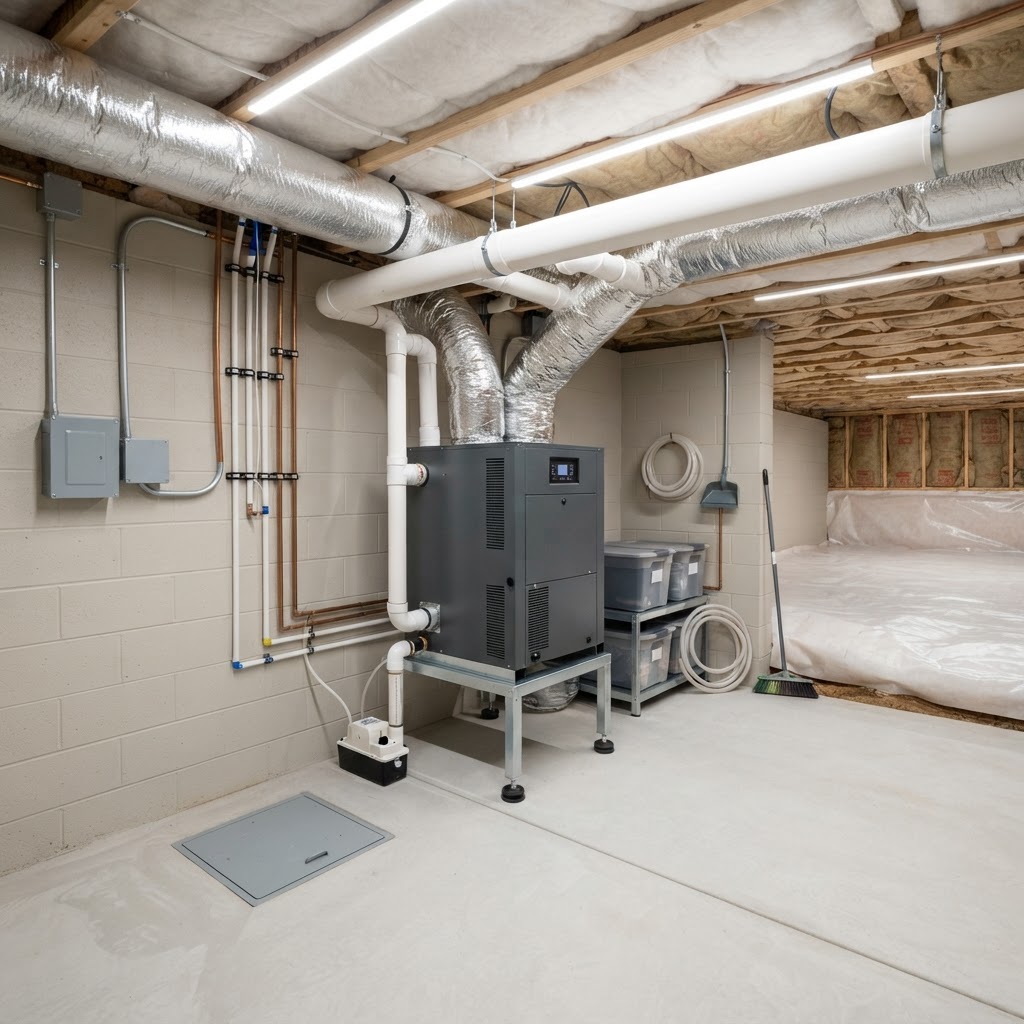
High humidity levels in a crawl space or basement can lead to significant structural issues and compromised indoor air quality. Whether you are dealing with musty odors or visible dampness, the right equipment is essential. When you decide to upgrade your home environment, you can browse AlorairCrawlspace to view professional-grade solutions engineered for high-humidity management. Selecting the right unit requires a technical approach rather than just picking a model based on price.
Assessing Your Moisture Requirements
Before you begin shopping, you must determine your specific needs. Crawl spaces vary significantly in size and ventilation. A unit that works perfectly in a small, sealed basement may be insufficient for a larger, vented crawl space. Measure the square footage of the area you intend to treat. Most manufacturers, including those whose products are carried by retailers like AlorairCrawlspace, provide capacity ratings based on the moisture removal rate per day. If you choose a unit with too little capacity, it will run constantly, leading to unnecessary energy expenditure and mechanical wear.
You should also assess the insulation and vapor barrier status of your foundation. An unsealed crawl space allows more humid air to enter, requiring a higher-capacity dehumidifier to keep up with the constant influx of moisture. If you are uncertain about the capacity needed, look for models with automatic humidistats that adjust operation based on real-time ambient moisture levels, ensuring efficiency.
Understanding Critical Technical Features
Efficiency is paramount when selecting permanent home hardware. Look for units that feature robust condensate pumps. In many basements or crawl spaces, gravity drainage is not an option. A reliable internal pump will lift water out of the unit and through a hose to a drain or the exterior of the house. Without a strong pump, you risk water backup and unit failure during humid seasons.
Another vital feature is the filter system. Basements often collect dust and debris that can impede airflow through the dehumidifier. High-quality air filters protect the internal coils and ensure that the air being processed is also cleaned of particulate matter. Checking how easily the filter can be removed, cleaned, or replaced is a smart step before making a final decision. You can often compare various models and current promotional opportunities to see how different brands balance these technical specifications with their overall value.
Installation and Maintenance Considerations
Proper placement is just as important as the model itself. A crawl space dehumidifier needs adequate clearance around the intake and exhaust vents to function properly. If you shove the unit into a tight corner, it will struggle to draw in air and dissipate the moisture it collects. Always ensure there is a clear path for air circulation. If your project involves other home improvements, you might find useful tools in the broader lighting & electrical category, where equipment often shares space with HVAC-related accessories.
Maintenance is the second half of the equation. Regularly inspect your hoses for kinks or clogs, which are the most common culprits for performance drops. During peak summer months, make it a habit to check the unit weekly. Most professional-grade systems have a digital display or indicator light that warns of malfunctions or full tanks, providing peace of mind even if the unit is in a hard-to-reach location. Consistent maintenance prevents small issues from escalating into major repairs.
Avoiding Common Buying Pitfalls
A frequent mistake homeowners make is choosing a dehumidifier based solely on room-size claims found on the packaging. These labels are often based on ideal, conditioned environments. Your crawl space is likely a challenging environment, so it is often safer to size up. If a manufacturer states a model is good for 1,000 square feet, consider choosing a model rated for 1,500 square feet to ensure it handles the load without constant stress on the compressor.
Furthermore, do not overlook the importance of noise levels if your crawl space is located near living quarters or bedrooms. While many industrial units are built for durability, modern designs have made significant strides in noise reduction. Finally, always research the availability of replacement parts. When you look at products available at various online merchants, check if the brand has a track record of supporting their hardware over the long term. By taking these steps, you ensure that your investment in climate control serves your home well for years to come.
Frequently asked questions
How do I determine the right size dehumidifier for my crawl space?
You should measure the total square footage of your crawl space and consider the level of moisture intrusion. It is generally recommended to choose a unit with a slightly higher capacity than your exact square footage to ensure the system does not need to run continuously.
Why is a condensate pump necessary?
A condensate pump is essential if your basement or crawl space does not have a floor drain located directly beneath the dehumidifier. The pump allows the unit to push collected water through a hose to a remote drain or outside the home, preventing leaks and overflow.
How often should I clean the filters on my crawl space dehumidifier?
You should check your filters every two to four weeks, especially during periods of high humidity. Cleaning them regularly prevents dust buildup, which allows the machine to operate more efficiently and protects the internal components from damage.
Can I install a crawl space dehumidifier myself?
Many of these units are designed for straightforward installation, provided you have a nearby power outlet and a plan for drainage. However, if you are uncomfortable with electrical setups or plumbing the drainage line, consulting a professional can ensure the unit is installed safely.
What is the benefit of an automatic humidistat?
An automatic humidistat allows the dehumidifier to monitor the relative humidity levels in real-time. It will automatically turn the machine on or off to maintain your desired humidity level, which saves energy and reduces the mechanical wear on the system.


