
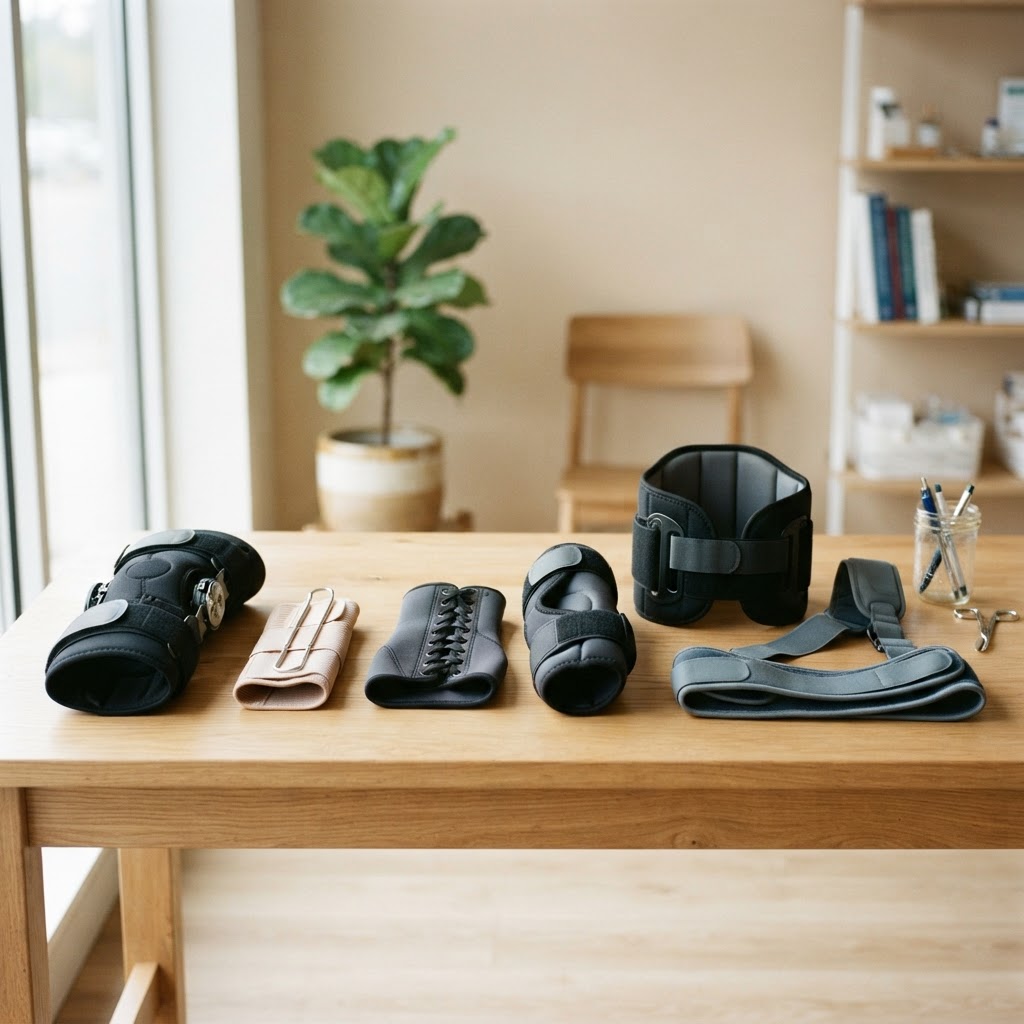
Finding the right orthopedic support is a critical step in managing physical health or navigating the path to recovery after an injury or surgery. Whether you are dealing with chronic joint pain or recovering from a sports-related strain, the sheer volume of options available can be overwhelming. Understanding the nuances of support types and material construction is essential to ensure you receive the intended benefits. Retailers like BraceAbility offer a wide array of specialized gear designed to assist with these specific health challenges, making it easier to find equipment tailored to your recovery goals.
Understanding Your Specific Support Needs
Before diving into a product catalog, you must first clarify exactly what type of support your condition requires. Orthopedic braces are not one-size-fits-all tools; they serve distinct functions based on biomechanical needs. Some braces are designed primarily for immobilization, meant to restrict movement after surgery to allow tissues to heal properly. Others are compression-focused, intended to provide stability, reduce swelling, or improve proprioception—your body's ability to sense its position in space during activity.
Check your medical guidance or consult with a physical therapist to determine the level of support you truly need. A common mistake is selecting a brace that is too restrictive, which can lead to muscle atrophy if worn for too long without movement, or one that is too flimsy to provide the actual stabilization required for your specific injury. Browsing through the Health & Wellness category can help you visualize the different tiers of support, from simple elastic sleeves to complex hinged braces with structural integrity.
Critical Factors in Product Selection
Once you have identified the function of the brace, focus on the mechanical construction and material quality. Breathability is often overlooked but vital for daily comfort. If you plan to wear a wrist or ankle brace for extended periods, choose moisture-wicking, breathable fabrics that prevent skin irritation and buildup. For back supports, consider the rigidity of the stays or plastic inserts, as these dictate how much pressure is taken off the spine.
Sizing is the most important variable in the effectiveness of any orthopedic support. Using a cloth measuring tape is much more accurate than relying on standard clothing sizes. Always follow the manufacturer’s specific measurement chart, as sizing protocols often differ between brands. Measuring the circumference of the joint at the correct landmark—whether it be the mid-thigh, the wrist joint, or the waist—is paramount for a secure fit that doesn't slip during movement.
Comparing Options Effectively
When you are ready to compare products, look for transparency in design features. Good orthopedic equipment should clearly list the materials, the adjustability mechanism (such as Velcro straps, ratcheting systems, or laces), and the intended duration of use. If you are shopping online, look for comprehensive product descriptions that explain why a specific brace is better suited for post-surgical recovery versus routine athletic support.
To get the most value out of your search, explore the various featured offers across the site to see how you can equip yourself with necessary recovery gear efficiently. Navigating the selection process becomes much less intimidating when you focus on technical specs rather than aesthetic choices. For those looking for broader insights into managing health and wellness expenses, checking out our curated deal lists can provide a roadmap for finding high-quality equipment without breaking your budget.
Avoiding Common Pitfalls
A frequent error shoppers make is neglecting the maintenance requirements of their braces. Because these items are often worn against the skin or during physical activity, they naturally accumulate sweat and debris. Check if the brace is machine-washable or if it requires hand-washing to maintain the elasticity of the fabric. Braces that cannot be cleaned properly will lose their structural effectiveness quickly and may cause skin issues.
Finally, do not rush the adjustment period. It is normal to feel awkward or slightly restricted when you first wear a new brace. However, if you experience sharp pain, numbness, or extreme discoloration of the skin below the brace, this is a clear sign that the fit is incorrect or the pressure is poorly distributed. Take the time to readjust the straps and ensure the hinges, if present, are aligned with your anatomical joint. If the discomfort persists, discontinue use and re-verify your measurements or consult a professional.
Frequently asked questions
How do I know which type of orthopedic brace I need?
You should rely on the recommendations of your doctor or physical therapist. They can determine if you need rigid immobilization to restrict movement or a compression sleeve to provide support and reduce swelling.
Does sizing differ between different orthopedic brands?
Yes, sizing can vary significantly between manufacturers. Always use a soft measuring tape and follow the specific measurement guide provided on the product page rather than relying on your standard clothing size.
What is the best way to clean my orthopedic brace?
Most braces require hand-washing in cool water with mild soap and air drying to preserve the elasticity of the materials. Always check the specific care instructions on the product label or the manufacturer's website.
Can I wear an orthopedic brace all day?
The duration of use depends on the brace's purpose and your medical instructions. While some compression supports are designed for all-day wear, others are meant for limited periods during activity or recovery.
What should I do if my brace causes skin irritation?
Skin irritation often results from a poor fit or moisture buildup. Ensure the brace is correctly sized and clean, and consider wearing a thin, breathable layer or sleeve underneath the brace if your healthcare provider approves.


