
Assessing Your Needs for Daily Glucose Monitoring
Managing a chronic condition like diabetes requires consistency, precision, and the right tools. When you begin the process of selecting a blood glucose monitoring system, the primary goal should always be ease of use paired with technical reliability. You want a device that integrates seamlessly into your daily routine rather than one that complicates it. Many individuals find that the range of products available at Sinocare offers a balance of simplicity and accuracy for those who need to track their numbers regularly.
Before settling on a specific kit, consider your lifestyle. Are you primarily checking your levels at home, or do you need a portable solution that fits easily into a travel bag? Portability is often overlooked until you are mid-trip and realize your monitoring kit is cumbersome. Look for devices that feature rapid testing times and clear, high-contrast displays, as these small features significantly impact your long-term adherence to a testing schedule.
Understanding Technical Accuracy and Ease of Use
The most important feature of any medical monitoring tool is its reliability. When researching your options, focus on the simplicity of the interface. A device with fewer buttons and a streamlined setup process is usually preferred by patients because it reduces the likelihood of human error during the testing procedure. If you are browsing various medical supplies to stock your medicine cabinet, prioritize brands that offer intuitive error-detection systems. These systems prevent you from wasting test strips by alerting you if the blood sample is insufficient.
Another factor to evaluate is the volume of blood required for each reading. Modern advancements have enabled monitors to function with smaller sample sizes, which makes the testing process far more comfortable for the user. When reading product descriptions, specifically look for information regarding the required sample volume. Smaller samples translate to less discomfort over time, which is essential for anyone who performs multiple tests per day.
The Value of Comprehensive Starter Kits
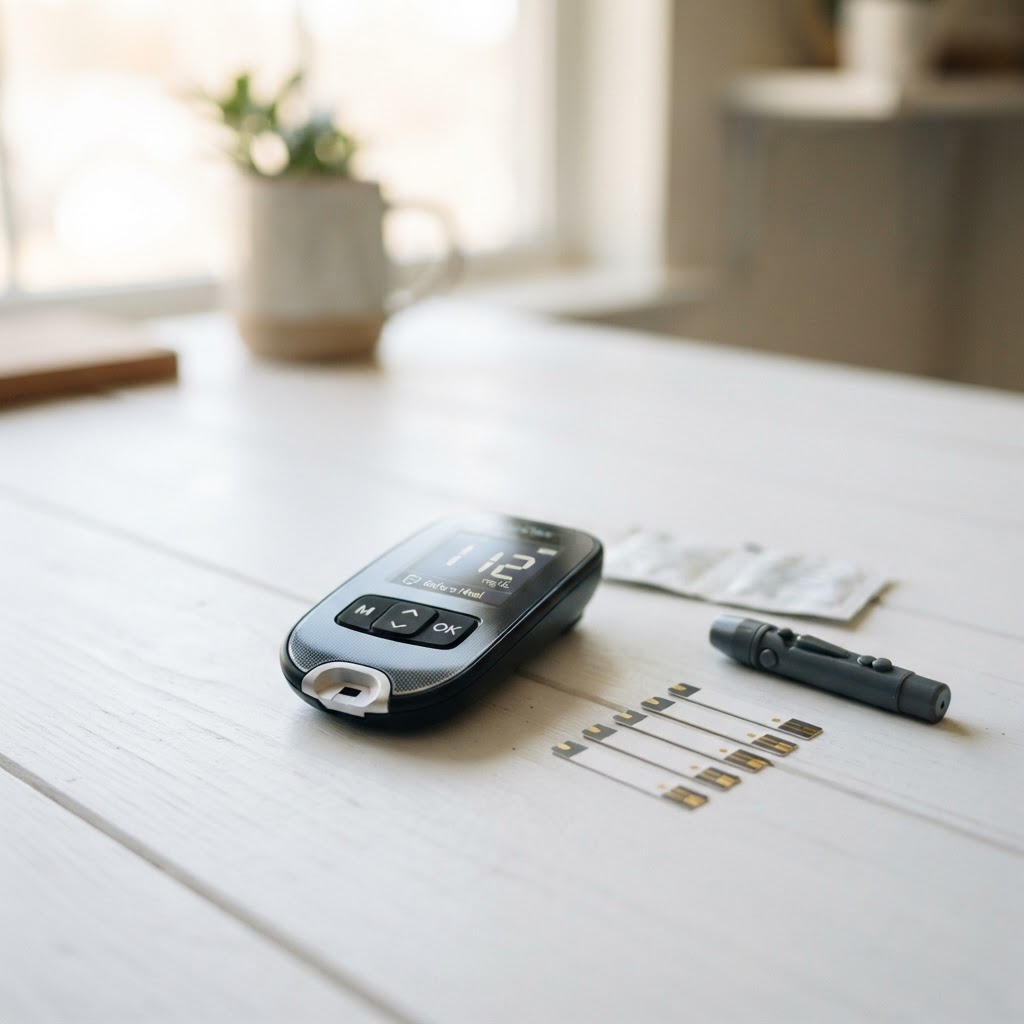
For those new to monitoring or individuals looking to replace an outdated system, a starter kit is often the most cost-effective path. These bundles typically include the monitor itself, a lancing device, and a supply of test strips. Buying components separately can lead to compatibility issues, whereas a manufacturer-sealed kit ensures that the lancing depth, strip sensitivity, and meter calibration are all synchronized for the best results.
It is wise to check if your chosen kit includes a travel case and a logbook, or if you prefer to sync your data digitally. Digital tracking has become a standard, allowing you to share reports with your physician more efficiently. If you are hunting for value on these types of devices, it is always a good idea to explore current promotions to ensure you are getting the best possible equipment at a reasonable price point. Just remember that the cheapest option is not always the best if it lacks the specific data-logging features your doctor requires.
Maintenance and Long-Term Reliability
Once you have invested in your monitoring equipment, proper maintenance is the next step. Even the most robust device will fail to provide accurate readings if the test strips are expired or improperly stored. Always keep your test strips in their original vial, firmly closed, and stored in a cool, dry area. Humidity and light exposure are the primary enemies of test strip integrity, and failing to protect them can lead to misleading results.
Additionally, keep an eye on your lancet supplies. Regularly changing the lancet in your device is not just about comfort; it is about hygiene. Developing a routine where you replace your lancet and organize your kit supplies once a week will prevent frustration. You can keep up with the latest trends and product releases by visiting our featured section to see what professional-grade tools are trending among our community members. Consistent, informed shopping for your health tools ensures that you are always prepared to manage your wellbeing with confidence.
Ultimately, your choice of equipment should support your health journey, not hinder it. By focusing on simple interfaces, accurate reading capabilities, and proper storage of your supplies, you can ensure that your daily monitoring remains a stress-free experience. If you ever feel overwhelmed by the technical specifications, reach out to your healthcare provider to confirm which metrics and device capabilities are most critical for your specific health plan.
Frequently asked questions
What is the most important feature to look for in a blood glucose monitor?
The most important feature is accuracy, followed by ease of use. You should look for a device that provides clear, consistent results with a user-friendly interface to ensure you can perform your tests correctly every time.
How should I store my glucose test strips to maintain their accuracy?
Test strips are sensitive to environmental factors like humidity and heat. Always keep them in their original container, close the cap tightly after every use, and store them in a cool, dry place away from direct sunlight.
Why is it recommended to buy a full starter kit instead of individual parts?
Starter kits ensure that all your components, such as the meter, lancing device, and test strips, are perfectly compatible with one another. This reduces the risk of technical errors that can occur when mixing brands or components.
How often should I replace the lancets in my monitoring device?
It is best practice to use a fresh, sterile lancet for every single test. Reusing lancets can cause them to become dull, which increases pain, and it also increases the risk of infection and skin irritation.
Should I choose a monitor with digital tracking capabilities?
Digital tracking is highly beneficial if you and your doctor need to review your blood glucose trends over time. Many modern devices offer data export features that simplify the process of sharing your health information during medical consultations.


