
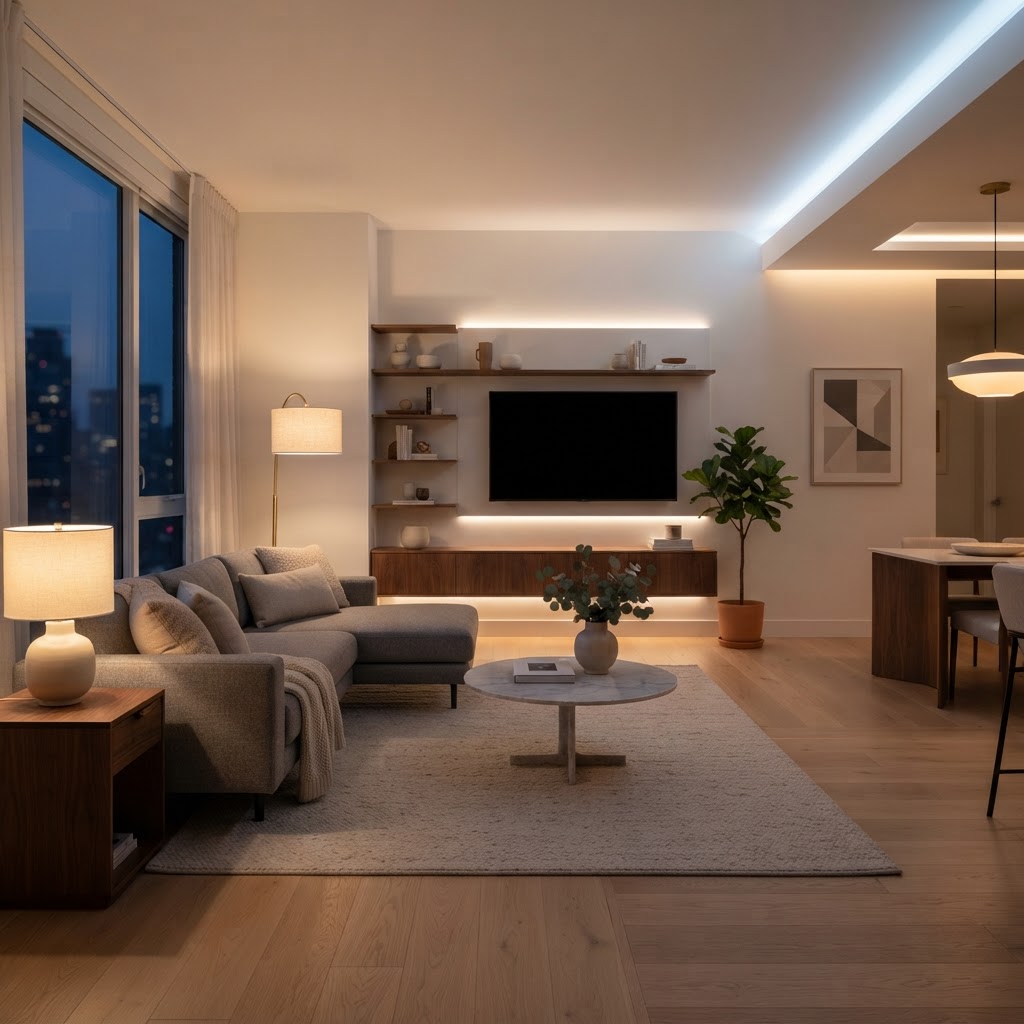
Upgrading to a smart home environment involves more than just swapping out old bulbs for new ones. It requires a thoughtful approach to selecting technology that integrates seamlessly with your existing routines. When you explore options at Lumary, you are looking at devices that prioritize both functionality and ease of use. To maximize the impact of your upgrades, you must first assess your specific goals, such as increasing energy efficiency, improving home security, or simply enhancing the aesthetic appeal of your living areas.
Defining Your Smart Lighting Strategy
Before making any purchases in the Lighting & Electrical category, take an inventory of your home. Identify which spaces would benefit most from automated control. Kitchens and common living areas are often the best starting points because they see the most daily foot traffic. Smart bulbs or light strips can be programmed to adjust based on the time of day, creating a more welcoming environment during the evening or a productive atmosphere in the morning.
When comparing products, pay attention to compatibility. A primary advantage of modern systems is their ability to work with popular voice assistants. Ensure that the smart devices you choose are compatible with your current hardware setup. Consistency is key; using a single ecosystem often results in a more streamlined experience, reducing the headache of managing multiple applications or hub controllers. If you are uncertain about what is currently available, browsing featured collections can provide inspiration for modernizing your electrical setup without overhauling your entire home infrastructure.
Evaluating Quality and Connectivity
The reliability of a smart device is tied directly to its connectivity. Look for products that utilize stable Wi-Fi or Bluetooth protocols. A common mistake is ignoring the range of these devices. If your router is positioned on the other side of the house, certain exterior lights or garage-based sensors might struggle to maintain a connection. Consider adding a signal extender or mesh network if your home spans a large footprint. Beyond connectivity, read the technical specifications carefully. Check for features like color temperature adjustability, which allows you to move from cool, focused daylight for working to warm, dim tones for relaxation.
Construction quality matters, particularly for fixtures that will remain installed for years. You want hardware that feels durable and is rated for the environment where it will be placed. For instance, damp-rated lighting is essential for bathrooms or covered porches. Always double-check that your electrical wiring is compatible with the devices you select, especially when dealing with advanced dimmers or specialized switches that may require a neutral wire.
Integrating Devices into Your Routine
Once you have selected your gear, the real work of customization begins. Most people set up a smart light and leave it at the default settings, but the real power lies in automation. Use scheduling tools to mimic your natural patterns. If you frequently arrive home after dark, set your lights to activate automatically when you approach your driveway. This creates an immediate feeling of safety and convenience.
Additionally, consider how you group your lights within your control application. Creating scenes—such as 'Movie Mode,' 'Dinner,' or 'Full Focus'—allows you to adjust multiple devices simultaneously with one voice command or a single tap on your smartphone. This eliminates the need to adjust individual switches throughout the room. If you encounter any barriers to your setup, checking for current shopping resources can sometimes help you find the right accessories or secondary components that complete your smart home project without breaking the budget.
Avoiding Common Implementation Errors
One frequent oversight is security. Always ensure that your smart home devices are running the latest firmware updates. Manufacturers frequently release patches to address potential vulnerabilities, keeping your private home network secure. Treat these devices like any other computer on your network. Change default passwords immediately upon installation and ensure that your router is also properly secured.
Another error is choosing devices based solely on price. While a deal is helpful, you must balance cost against longevity. A device that constantly loses its connection or has a clunky, non-intuitive mobile application will eventually become more frustrating than useful. By balancing smart shopping with high-quality product selection, you can build a system that supports your lifestyle for years. Take your time to research, verify compatibility, and plan your layout before starting any installation project to ensure the result matches your original vision for a smarter home.
Frequently asked questions
How do I ensure my smart lighting is compatible with my voice assistant?
Check the product packaging or the official website for logos indicating support for your specific system, such as Amazon Alexa, Google Assistant, or Apple HomeKit. Compatibility is usually clearly stated in the technical specifications tab of any high-quality smart product.
Do I need a separate hub to control my smart lights?
Many modern smart lights connect directly to your home Wi-Fi network without the need for a separate bridge or hub. However, some advanced systems use specialized protocols like Zigbee or Z-Wave, which do require a hub for optimal performance and range.
Can I replace my existing switches with smart switches?
Yes, but you must verify that your home's electrical wiring includes a neutral wire in the switch box. Many smart switches require this extra connection to maintain power to their internal processors, so always consult a professional if you are unsure.
Are smart LED bulbs more energy-efficient than standard LEDs?
Smart LED bulbs are highly efficient, but they do consume a small amount of power even when 'off' because they must stay connected to your Wi-Fi network. The main energy savings come from the ability to dim them or automate them to ensure they are not left on unnecessarily.
What is the best way to start building a smart home system?
Start with a single room or a specific type of device, such as living room lighting, to get comfortable with the installation and control process. Once you understand how to integrate these devices into your daily routine, you can gradually expand to other areas of the house.


