
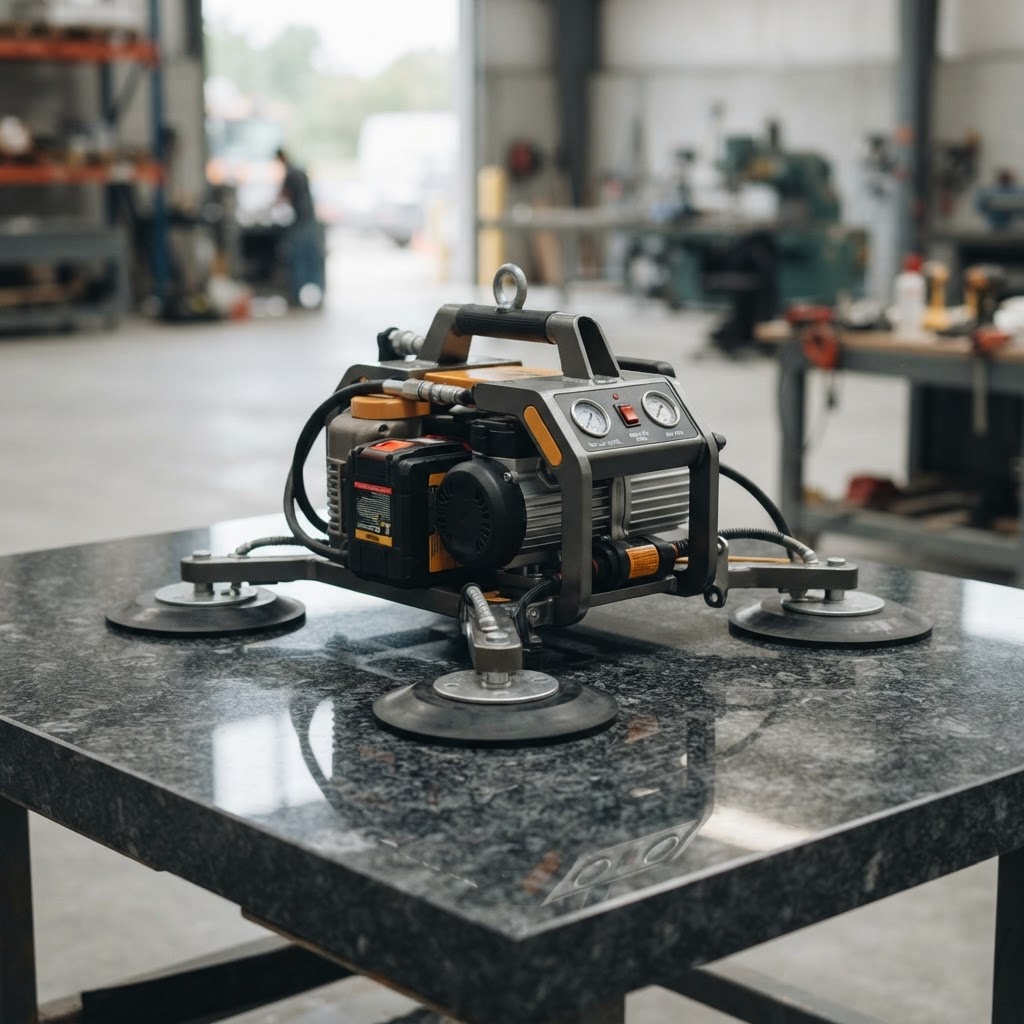
Assessing Your Lifting Needs Before You Buy
Selecting the right vacuum lifting equipment is not merely about finding a tool that can hold weight; it is about choosing a system that integrates seamlessly into your daily workflow. Whether you are a professional contractor handling oversized glass panes or a DIY enthusiast laying heavy porcelain tile, the consistency of the seal is paramount. When you explore options at retailers like GRABO, focus on the specific material compatibility of the device. Not all surfaces react the same way to suction; porous materials, for example, require specialized sealing technology that a standard smooth-surface lifter might lack.
Before committing to a purchase, inventory the materials you handle most frequently. Are you lifting rough-cut stone, drywall, or polished metal? Each of these textures requires different levels of vacuum pressure to maintain a secure grip. A common mistake is assuming that maximum lift capacity is the only metric of quality. While lift weight is critical, the ability to maintain that pressure consistently over time—especially in dusty or moist environments—is what defines a reliable tool in the electronic gadgets category.
Understanding Battery Efficiency and Job Site Reliability
Modern vacuum lifters rely on rechargeable lithium-ion power to create suction, making the battery management system the heart of your tool. You should evaluate how long a single charge lasts under heavy-duty conditions. Professional-grade tools, such as those you can find at GRABO, are designed to cycle power efficiently, preserving battery life while ensuring the vacuum pump runs only when necessary to maintain seal integrity. This smart cycling not only extends the runtime of your tool but also reduces wear on the internal motor.
Look for indicators that the device features a pressure sensor. A high-quality tool will alert you—either visually or audibly—if the vacuum pressure drops below a safe threshold. This feature is non-negotiable for safety. Never settle for a tool that lacks an automatic re-pumping mechanism, as constant manual monitoring of the seal can lead to unnecessary fatigue and potential accidents. When checking out available options, consider consulting current marketplace listings to see which models include high-capacity battery packs or rapid-charging accessories as standard inclusions, as these extras add significant value over the lifespan of the equipment.
Maintenance and Surface Compatibility Checks
The longevity of a portable vacuum lifter depends almost entirely on how well you maintain the rubber seal and the vacuum pump. Dust, grit, and debris are the primary enemies of suction. If you are working on a construction site, you need a tool that can withstand debris accumulation without losing its effectiveness. Always inspect the gasket for cracks or permanent deformation before every lift. If the gasket is compromised, no amount of battery power will compensate for the leak.
For those looking to expand their toolkit, keeping an eye on curated brand collections can help you identify manufacturers that offer modular replacement parts. Having access to easy-to-swap seals, filters, and gaskets is a sign of a company that prioritizes long-term utility rather than disposable product cycles. If you are comparing two similar-looking devices, always prioritize the one with better documentation regarding seal care and replacement availability. This single factor often separates a tool that lasts years from one that fails after a few months of heavy use.
Avoiding Common Pitfalls in Tool Procurement
The market for construction gear is flooded with budget-friendly knockoffs that mimic the appearance of professional tools but fail to deliver on pressure stability. To avoid these issues, always verify the stated load capacity against the weight of the objects you intend to lift. A safety margin is essential; if you are lifting a 100lb panel, your tool should have a comfortable buffer above that limit, not sit right at the edge of its capability.
Additionally, pay attention to the ergonomics of the handle and the weight of the device itself. A heavy, unbalanced lifter will lead to wrist strain during long sessions. Look for balanced designs that distribute weight evenly during use. By focusing on these technical specifications and prioritizing brands that offer transparent information on usage limits, you can ensure your investment serves you well for years to come. Whether you are browsing for the latest innovations or checking for essential work site upgrades, staying informed about the core mechanics of vacuum technology will help you make a sound decision for your specific professional or personal requirements.
Frequently asked questions
What is the most important feature to look for in a vacuum lifter?
The most important feature is a reliable pressure-sensing system that monitors the vacuum seal in real time. This ensures that the tool can automatically re-pump if it detects a drop in pressure, keeping your load secure throughout the entire lifting process.
Can I use the same vacuum lifter for both glass and stone?
It depends on the specific device, as some are engineered for smooth surfaces like glass while others include specialized seals for porous materials like stone or concrete. Always verify the manufacturer's compatibility chart for the specific texture of the materials you plan to handle.
How do I maintain the suction seal on my tool?
Keep the rubber gasket free of dust and debris by wiping it down after each use with a clean, dry cloth. Regularly inspect the seal for any cracks or hardening, and replace it immediately if you notice it is no longer forming a perfect, airtight contact with flat surfaces.
Why is battery performance critical for vacuum lifting tools?
A vacuum lifter relies on a motor to maintain suction; if the battery dies during a lift, the device may lose its seal. High-quality tools feature power management that ensures the battery has sufficient capacity to run the pump safely for the duration of a full workday.
Is a higher lift capacity always better?
Not necessarily, as tools with excessive lift capacities can be heavier and harder to maneuver in tight spaces. It is better to choose a tool that matches the weight of your most common materials plus a reasonable safety margin, prioritizing portability and ergonomic design.


