
Understanding Vehicle Performance Upgrades
When you decide to modify your vehicle, the process begins with identifying which specific aspects of your driving experience you want to improve. Whether your goal is a wider stance, better clearance, or refined suspension geometry, the market is filled with options. Drivers often turn to KSP Performance to browse a wide array of specialized automotive performance accessories designed to meet these exact needs. However, the sheer volume of choices can be overwhelming. Making the right decision requires an understanding of how these components interact with your vehicle's existing hardware.
Before purchasing any hardware, you must prioritize compatibility. Automotive upgrades are not one-size-fits-all. A part that improves performance on one model might cause significant safety issues on another. Always verify your vehicle’s bolt pattern, hub diameter, and offset requirements before settling on a purchase. Rushing into a modification without verifying these technical specifications is the most common mistake enthusiasts make, often leading to wasted time, returns, and potential vehicle damage.
The Role of Wheel Spacers and Adapters
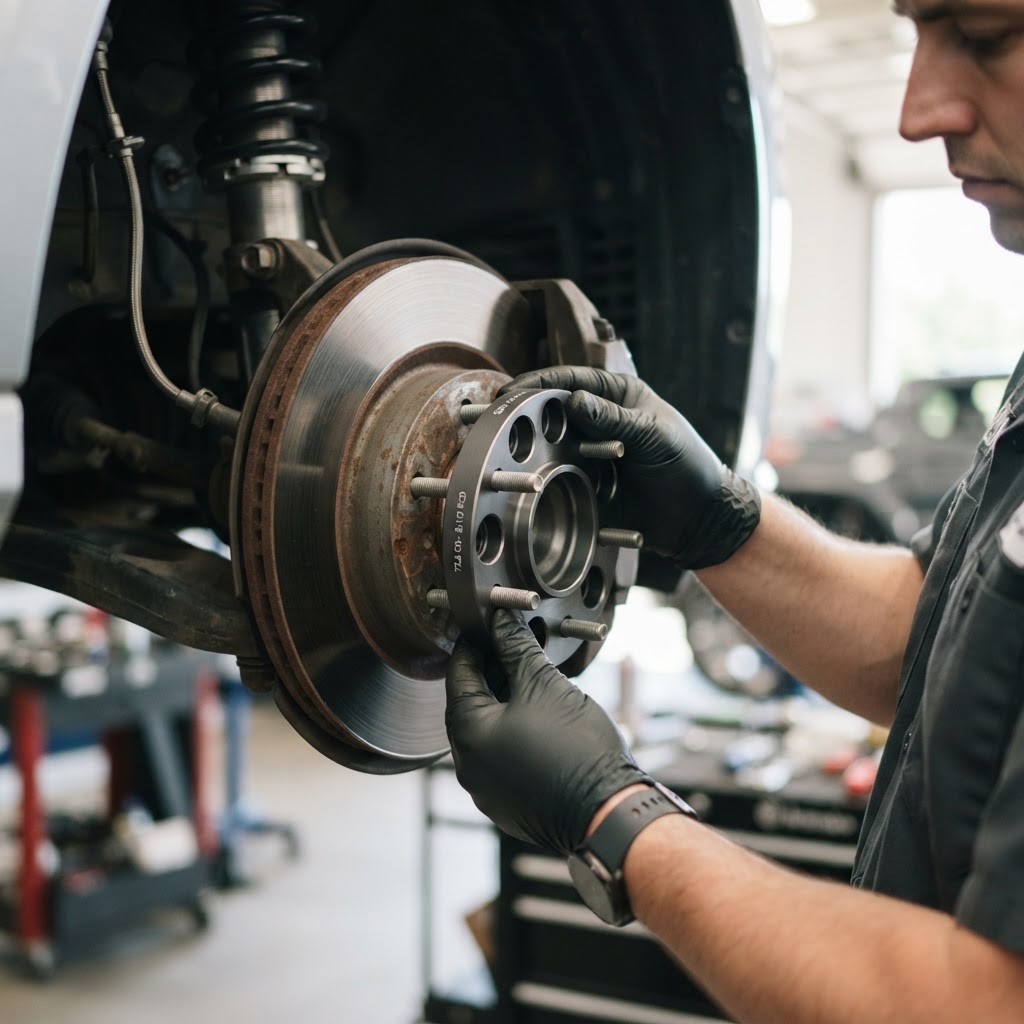
Wheel spacers and adapters serve two primary purposes: correcting wheel offset for a flush aesthetic or providing necessary clearance for brake upgrades and wider tires. When shopping for these, look for parts explicitly described as hub-centric. A hub-centric design ensures the wheel remains perfectly centered on the hub, which prevents the vibration issues commonly associated with lug-centric alternatives.
You should prioritize materials like high-grade aluminum alloys when browsing in the automotive & car accessories category. These materials balance the need for strength with the desire to keep unsprung weight low. If you find yourself evaluating parts, consider checking available featured deals to see if your required components are currently offered at a competitive value, allowing you to allocate more budget toward professional installation or alignment services.
Evaluating Suspension and Structural Components
Beyond wheels and spacing, suspension geometry often dictates how a car performs on the road. Leveling lift kits and control arms are popular modifications, but they fundamentally change the angle at which your suspension operates. If you install a lift kit, you should expect to re-evaluate your alignment settings entirely. Failing to do so can result in uneven tire wear and unpredictable handling characteristics.
When researching where to find these components, specialized retailers like KSP Performance provide specific inventory that simplifies the search for robust lug nuts and precision-engineered control arms. The key to long-term satisfaction with these parts is durability. You want components that can withstand constant exposure to road salt, moisture, and debris. Ask yourself if the product has a finish that resists corrosion. If a part looks like it might rust after a single season of rain, it will likely compromise the safety of your suspension system sooner than expected.
Common Pitfalls During Installation and Maintenance
The best parts in the world can fail if they are not installed correctly. One of the most frequent errors is ignoring torque specifications. Always use a calibrated torque wrench and follow the manufacturer's pattern for tightening lug nuts or mounting hardware. Over-tightening can stretch bolts, while under-tightening can lead to dangerous loosening during operation. If you aren't sure about the correct torque, check your vehicle owner's manual or the technical documentation provided by the manufacturer of the aftermarket part.
After the initial installation, commit to a break-in period. Re-check the torque on all new hardware after the first fifty miles of driving. This is a critical step that many home mechanics overlook. As parts settle into their final position, small gaps may appear that need to be tightened. If you are regularly hunting for ways to optimize your shopping, keeping an eye on current deal links can help you find quality maintenance tools that make this periodic checking much easier and more consistent.
Prioritizing Safety and Long-term Reliability
Your vehicle's safety should always outweigh its visual appeal. While a wider stance looks excellent, ensure that the increase in track width doesn't cause your tires to rub against the fenders during cornering or over bumps. This can lead to tire failure and bodywork damage. If you are uncertain about the outcome of a specific upgrade, consult a local alignment shop before finalizing your order. They can often provide insights on how specific modifications will impact the daily drivability of your specific vehicle model. Making informed, deliberate choices ensures that your performance upgrades enhance your vehicle's capabilities rather than creating new mechanical headaches.
Frequently asked questions
How do I know if a wheel spacer will fit my car?
To determine fitment, you must know your vehicle's specific bolt pattern, center bore size, and current wheel offset. Always verify these measurements against the technical specifications of the aftermarket spacer before making a purchase.
What is the benefit of hub-centric spacers?
Hub-centric spacers are designed to match the exact diameter of your vehicle's wheel hub. This ensures the wheel remains perfectly centered, which is essential for preventing high-speed vibrations and maintaining steering stability.
Do I need an alignment after installing a lift kit?
Yes, installing a leveling or lift kit changes the suspension geometry of your vehicle. A professional alignment is necessary to prevent premature tire wear and to ensure the vehicle continues to handle safely and predictably.
How often should I check the torque on aftermarket spacers?
It is best practice to re-check the torque on all aftermarket hardware after the initial installation and again after the first fifty to one hundred miles of driving. This ensures the parts have settled correctly and remained secure.
Can I install automotive performance parts by myself?
While many automotive enthusiasts perform these upgrades at home, you should have access to the correct tools, such as a calibrated torque wrench and a vehicle lift or jack stands. If you are unsure about the procedure, consult your service manual or have the parts installed by a professional shop.


