
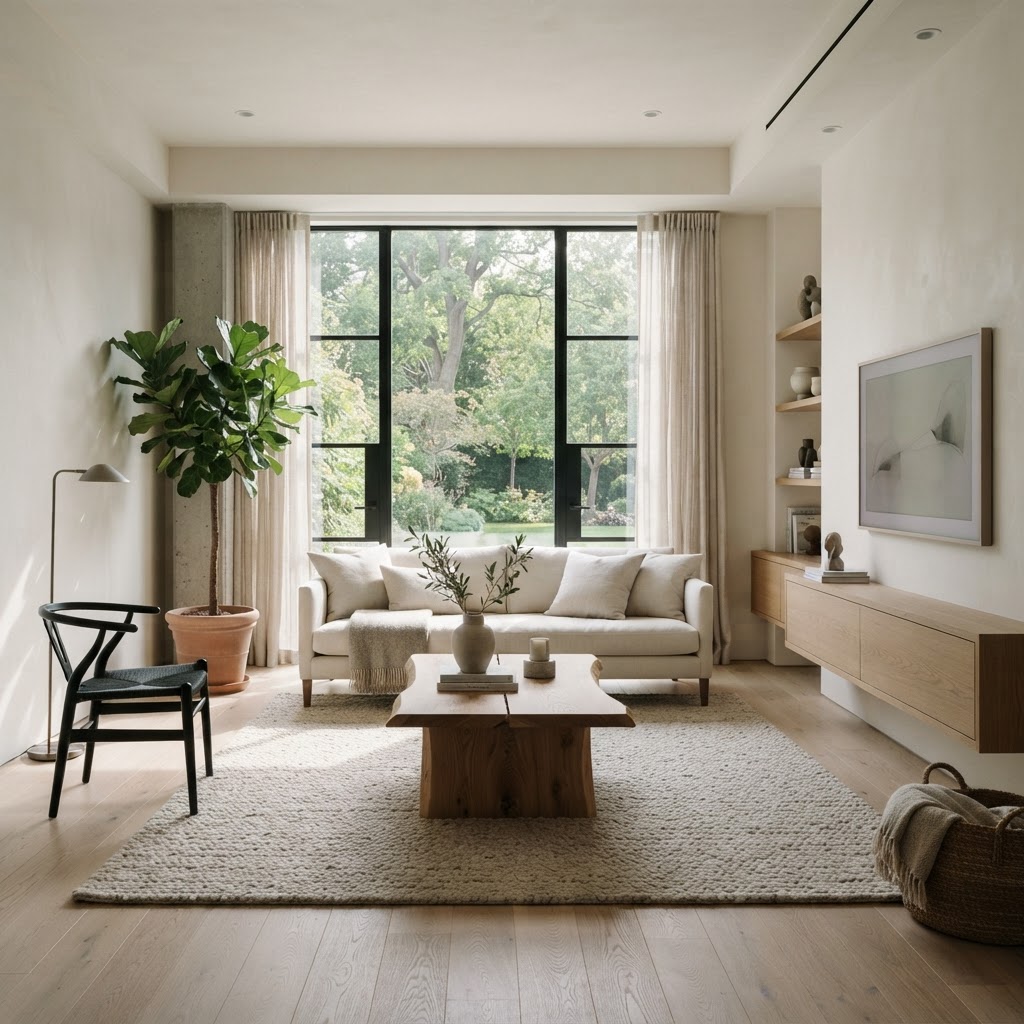
Defining Your Interior Aesthetic Before You Buy
Selecting the right furniture accessories is often the final piece of the design puzzle that transforms a house into a home. When you are looking to refresh your space, start by identifying the specific purpose of the room. Whether you are browsing for items at Decorbites Decor and Furniture (US) or elsewhere, the goal is to find pieces that serve both a functional and an aesthetic role. A common mistake is purchasing items based solely on current trends without considering if they harmonize with your existing furniture.
Start by auditing what you already own. Take inventory of your current color palette and furniture materials. Are you working with warm woods, sleek metals, or plush fabrics? Once you have a clear picture of your room's baseline, you can look for furniture accessories that complement or intentionally contrast these elements. Balance is key. If your main furniture pieces are neutral, accessories like throw pillows, sculptural vases, or unique side tables provide the perfect opportunity to inject personality without overwhelming the eye.
Prioritizing Material Quality and Durability
When you browse potential upgrades, it is easy to get distracted by appearances. However, the longevity of your home decor depends on material integrity. Consider how high-traffic the area is before you finalize a purchase. For example, if you are choosing decorative storage or small accent surfaces, prioritize materials that can withstand daily wear and tear. Solid wood, powder-coated steel, and high-density textiles generally offer better long-term value than cheaper, composite materials that may peel or warp under pressure.
It is also wise to cross-reference your specific needs with current market offerings. By comparing various designs, you can develop an eye for craftsmanship. Look for details such as weighted bases on lamps or smooth drawer glides on accent tables. These small indicators often distinguish high-quality decor from items that will look tired within a few months. Remember that the best accessories are those that feel substantial enough to anchor a space effectively.
Optimizing Your Shopping Strategy
The secret to a successful home refresh is patience and a structured approach to selection. Rather than buying everything at once, build your collection incrementally. This allows you to live with a new piece for a while to ensure it actually improves the room's flow before committing to more. If you are uncertain where to start, browsing through various seasonal promotions can offer inspiration on how different items are styled together in professional photography.
Pay close attention to measurements. A frequent oversight is neglecting the scale of an accessory relative to the furniture it accompanies. A beautiful centerpiece can lose its impact if it is too small for a wide dining table, just as a tall floor vase might look misplaced in a tight corner. Use painter’s tape to map out the footprint of larger accessories in your room. This simple trick provides a spatial reference that prevents purchasing items that end up looking cluttered or disproportionate once they arrive at your door.
Integrating Function and Style
Every accessory in your home should ideally work for you. Multifunctional decor is a staple of modern interior design for a reason. Look for benches that offer hidden storage, ottomans that double as extra seating, or wall-mounted systems that keep your surfaces clear. By choosing pieces that serve dual purposes, you maximize your square footage and keep your home organized. This approach is particularly effective in smaller apartments or compact living areas where every inch matters.
Beyond utility, consider the "emotional" aspect of your decor. The best home environments reflect the inhabitants' preferences. Whether you gravitate toward industrial chic, mid-century modern, or classic farmhouse, keep your selections focused. If you find yourself drawn to many different styles, pick one as your foundation and use the others only as minor accents. This keeps the aesthetic cohesive and prevents your home from looking like a catalog showroom. Always compare designs across multiple platforms to ensure you are finding the right intersection of price and build quality. When you find that specific item that elevates your room's character, it becomes much easier to build the rest of your decor around it, creating a curated, professional look that lasts for years to come.
Frequently asked questions
How do I choose the right size furniture accessories for my living room?
Start by measuring the surface area or floor space where you plan to place the accessory. A good rule of thumb is to maintain visual balance; for example, a large sofa usually requires a substantial side table or a significant floor lamp to look proportionate rather than undersized.
Should I focus on matching all my furniture accessories perfectly?
Not necessarily. While a cohesive look is important, matching everything too perfectly can make a room feel sterile or static. Focus on coordinating colors, materials, or textures instead of finding exact matches to create a more layered, professional design.
What is the best way to handle small spaces when choosing decor?
Prioritize multifunctionality. Look for pieces that serve two purposes, such as an ottoman with interior storage or nesting tables. This helps reduce clutter while keeping the space stylish and functional.
How often should I refresh my furniture accessories?
There is no set rule, but many homeowners refresh their accessories seasonally. Changing out smaller items like throw blankets, pillows, or tabletop decor is an inexpensive way to update the mood of a room without needing to buy new major furniture.
What is the biggest mistake people make when buying home accessories?
The most common error is ignoring scale and proportion. Buying an item that is either too small or too large for its surroundings often makes a room look cluttered or unbalanced, regardless of how beautiful the individual piece is.


