
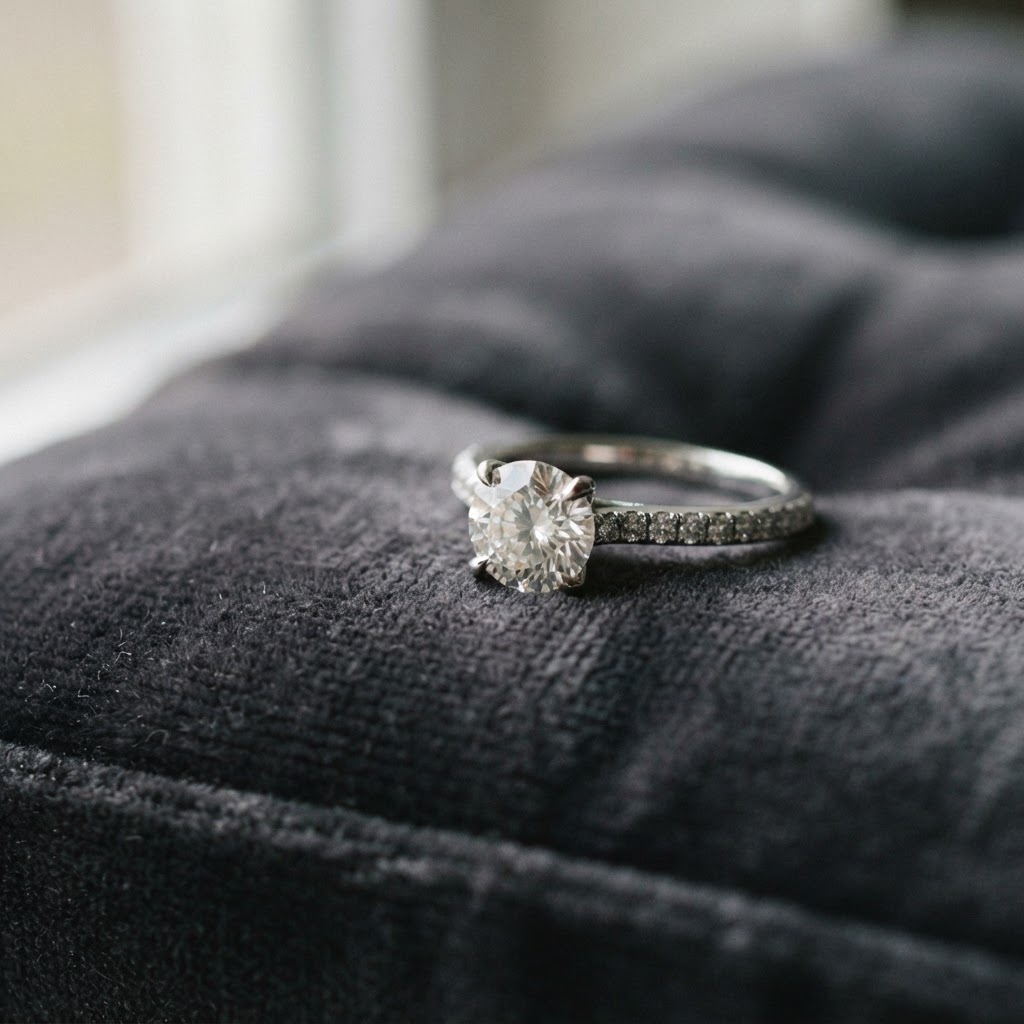
Understanding the Appeal of Alternative Gemstones
Choosing fine jewelry requires a balance of aesthetic preference, budget, and material longevity. In recent years, the market for lab-grown diamonds and moissanite has shifted from a niche alternative to a primary choice for many buyers. Retailers like Ibling Jewels have emerged as key destinations for those seeking these high-quality, sustainable stones. Whether you are searching for a bridal set or a statement necklace, understanding the core characteristics of these materials will help you make a more informed purchase.
Lab-grown diamonds possess the exact chemical, physical, and optical properties as mined diamonds. They are not imitations; they are real diamonds created in controlled laboratory environments. Conversely, moissanite offers a distinct brilliance and fire, often characterized by its high refractive index. Both options provide a visually stunning experience that allows for larger carat sizes at different price points compared to traditional mined diamonds. When you explore the jewelry and handbags category, you will notice how these stones are increasingly being used in complex, intricate designs that were once difficult to manufacture.
Evaluating Quality Before You Buy
The most important step in buying fine jewelry is recognizing the quality indicators for the stones and the metal settings. Regardless of whether you select a lab-grown diamond or a moissanite stone, you should always look for certification or detailed descriptions of the stone's cut, clarity, and color. A high-quality cut is paramount, as it determines how the light interacts with the stone, providing that essential sparkle.
When reviewing potential pieces, consider the integrity of the setting. The prongs should be secure, and the metal—typically gold or platinum—should have a hallmark indicating its purity. Many shoppers visit featured collections to see how specific designs translate into daily wear. Always examine the metal weight; a substantial setting often indicates better durability for jewelry intended to be worn every day. If the piece features intricate pavé work, ensure that each small stone is set symmetrically and that the metal channels are smooth to the touch.
How to Compare Online Jewelry Offers
Finding value in the jewelry market involves more than just identifying the lowest price. It requires a strategic approach to analyzing current market trends and retailer transparency. Before committing to a purchase, it is helpful to look for consistent information across various deal links that might clarify the specifications of the jewelry. Avoid impulsive decisions based solely on the visual appeal of a render; instead, look for multiple angles of the actual product or video content that demonstrates the movement of the stones under different lighting conditions.
Common mistakes often involve overlooking the fine print regarding maintenance and cleaning requirements. For instance, moissanite requires different cleaning techniques than diamonds to maintain its brilliance. Similarly, lab-grown diamonds need occasional professional inspections to ensure that the prongs have not loosened over time. By staying informed about the unique properties of your jewelry, you ensure that your investment retains its beauty for years to come. Remember that reputable retailers provide clear documentation regarding the origin and quality of their stones, which serves as a benchmark for their credibility.
Building a Timeless Collection
Building a jewelry collection is an iterative process. Start by investing in versatile staples, such as a pair of elegant solitaire studs or a simple, refined necklace, before moving on to more elaborate bridal sets. These pieces are often the highlights found in the inventory at Ibling Jewels, where design focus meets durable manufacturing. As you expand your collection, keep a record of your favorite styles and materials. This will help you identify what you truly enjoy wearing versus pieces that simply look good in an online catalog.
Finally, always prioritize retailers that offer clear communication about their inventory and manufacturing processes. Navigating the world of online jewelry can be daunting, but by focusing on the technical specifications and personal style, you can curate a collection that feels uniquely yours. For those planning their next big purchase, staying up to date on seasonal trends and timing your shopping around major calendar events can provide a more pleasant experience. By following these foundational steps, you can confidently navigate the market and select jewelry that marks your most significant life moments with grace and quality.
Frequently asked questions
What is the primary difference between a lab-grown diamond and moissanite?
Lab-grown diamonds are chemically and physically identical to mined diamonds, sharing the same carbon structure. Moissanite is a different material entirely, composed of silicon carbide, which is known for having a higher refractive index, resulting in more intense light dispersion or 'fire' than a diamond.
How should I care for my lab-grown diamond jewelry?
You should clean your diamond jewelry regularly using a mild soap solution and a soft-bristled brush. It is also important to have the settings inspected by a professional jeweler at least once a year to ensure the prongs are secure and the diamonds remain firmly in place.
Are lab-grown diamonds considered real diamonds?
Yes, lab-grown diamonds are real diamonds. They possess the same crystalline structure, hardness, and optical properties as diamonds that are extracted from the earth, and they are recognized as such by major gemological laboratories.
What should I look for in the metal quality of an engagement ring?
Look for hallmarks on the inside of the band that indicate the purity of the metal, such as '14K', '18K' for gold, or 'PLAT' for platinum. Higher purity metals are often chosen for fine jewelry because they are more durable, hypoallergenic, and resistant to tarnish over time.
Why is the cut of a stone so important?
The cut refers to how the stone was shaped and faceted, which directly impacts its ability to reflect light. A well-cut stone will maximize brilliance, fire, and scintillation, whereas a poor cut can make even a high-clarity stone appear dull or lifeless.


