
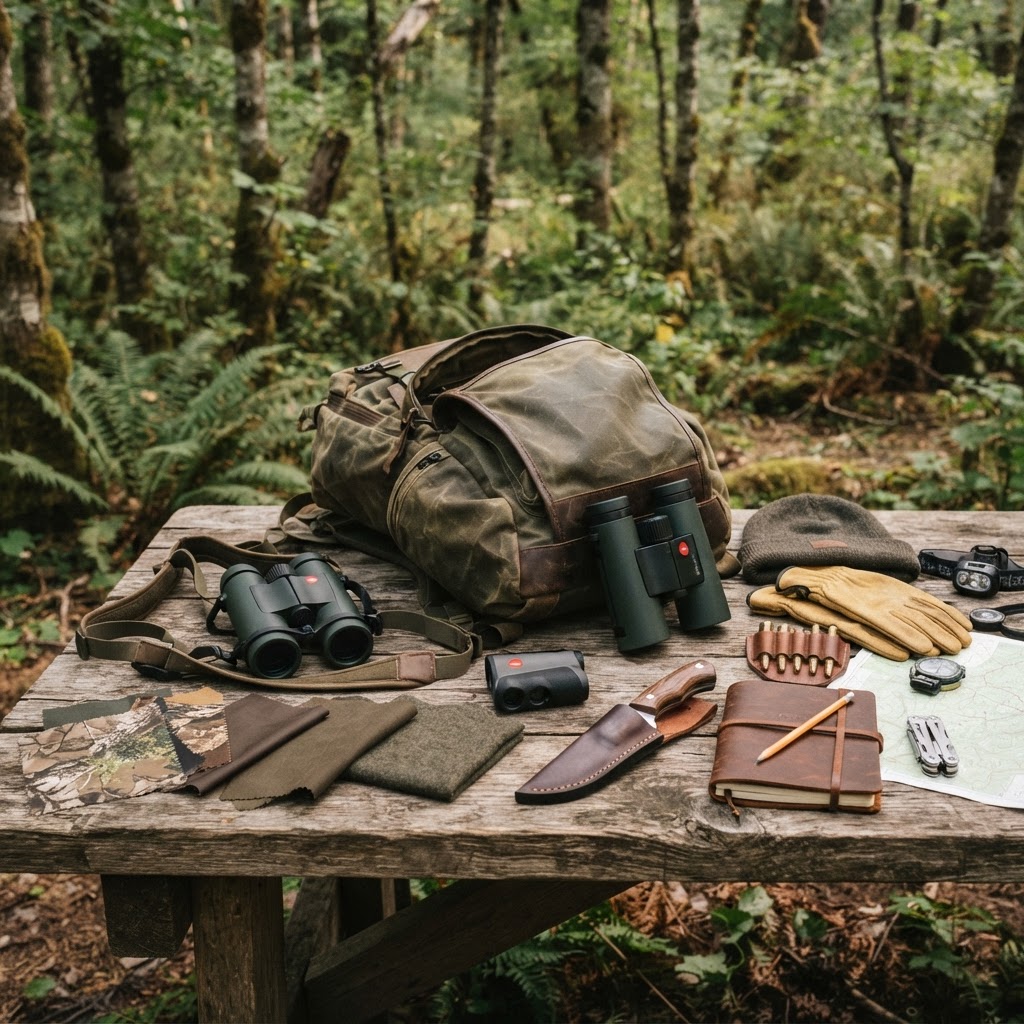
Understanding Material Innovation in Outdoor Apparel
Choosing the right gear for hunting or extended outdoor treks requires more than just picking a pattern that matches your surroundings. Performance apparel is built on a foundation of fabric technology designed to manage moisture, regulate temperature, and provide durability against harsh terrain. When you explore the selection at Kings Camo (US), focus on identifying layers that work in tandem. Modern hunting clothing typically utilizes synthetic blends or treated natural fibers that prioritize breathability while offering resistance to water and wind.
A common mistake shoppers make is prioritizing insulation over ventilation. In the field, you are often transitioning between periods of high exertion and static observation. Look for clothing systems that allow for modular layering. This means investing in base layers that wick moisture away from the skin, mid-layers that retain heat, and outer shells that act as a barrier against the elements. You can browse various options in the outdoor & adventure category to better understand the technical differences between these garment types.
Evaluating Pattern Utility and Environmental Matching
Camouflage is not a universal solution; it is highly context-dependent. The effectiveness of a pattern relies on how well it breaks up your human silhouette and mimics the depth of the environment you are hunting in. Some patterns are designed for high-contrast timber environments, while others favor open-terrain concealment. Before making a purchase, assess the primary terrain you frequent most often. If your environment changes drastically throughout the seasons, consider a versatile, multi-terrain pattern that can bridge the gap between late-fall hardwoods and early-season grasslands.
When comparing different options, look at the scale of the print. Larger patterns are generally more effective at distances, as they prevent the color from becoming a solid, recognizable block to prey animals. Conversely, intricate, micro-patterns might be beneficial if you are hunting in dense brush where the foliage is immediately adjacent to your position. Always check if the retailer offers a range of accessories—such as gloves, hats, or neck gaiters—in matching patterns to ensure full concealment.
The Role of Durability and Field Utility
Hunting equipment faces more abuse than standard casual wear. From abrasive rock faces and sharp thorns to freezing precipitation, your gear must hold up under pressure. When reviewing product specifications, pay attention to the denier count of the fabric. Higher denier ratings generally indicate a thicker, more abrasion-resistant weave. Reinforced knees, elbows, and seat areas are essential for longevity, especially if your hunting style involves frequent crawling or stationary sits on damp ground.
Beyond the fabric itself, look at the hardware. Quality zippers should be quiet, reliable, and easy to operate while wearing thick gloves. Deep, strategically placed pockets that secure your gear with silent magnetic closures or internal organizers are a sign of thoughtful design. If you need help prioritizing your shopping list, consider using our curated resource page to identify essential categories that often require higher investment, such as outerwear or footwear, versus smaller accessories.
Refining Your Decision-Making Process
Before committing to a specific set of gear, analyze your typical usage frequency. If you are a casual outdoor enthusiast, you may prioritize comfort and versatility, whereas a dedicated big-game hunter might need specialized, silent-fabric clothing that performs in sub-zero temperatures. It is often helpful to read detailed product descriptions to confirm if a piece of equipment is intended for active stalking or sedentary, long-duration hunting.
Remember that the best gear is useless if it inhibits your mobility. Always check the sizing charts carefully, keeping in mind that you will likely be wearing layers underneath your main jacket or pants. If you are in between sizes, opt for the slightly larger size to allow for free range of movement. For those looking for the best timing to acquire high-quality equipment, tracking seasonal shifts can be beneficial. You can find more strategies for timing your purchases by checking current marketplace updates, which help you keep an eye on when specific outdoor gear categories become the focus of retailers.
Finally, avoid the temptation to buy exclusively based on the newest or flashiest marketing terms. Focus on functional requirements: thermal regulation, silent movement, durability, and appropriate concealment. Whether you are browsing for your first set of gear or looking to replace worn-out equipment, a logical, needs-based approach will always result in a more satisfactory selection. By vetting materials and utility first, you ensure that your investment at reputable retailers like Kings Camo (US) serves you well for many seasons to come.
Frequently asked questions
How do I choose the right camouflage pattern for my hunting environment?
Selecting a pattern should be based on the specific terrain and vegetation density of your hunting area. Look for larger scale prints for long-distance concealment and tighter, high-contrast patterns for dense brush and timber.
Why is the layering system important in hunting apparel?
A layering system allows you to manage body temperature and moisture effectively as activity levels change. It ensures you remain comfortable during high exertion and retain necessary heat during long periods of sitting.
What should I look for to determine the durability of hunting pants and jackets?
Check for high denier fabric ratings, which indicate better abrasion resistance. Additionally, look for reinforced stitching and added material patches on high-wear areas like the knees and elbows.
Is it better to size up when buying hunting clothing?
Yes, it is often advisable to size up slightly. Hunting clothing is designed to be worn over multiple base and mid-layers, so extra room ensures you maintain your range of motion without the gear feeling restrictive.
What is the primary difference between active and sedentary hunting gear?
Active gear focuses on breathability and moisture-wicking to keep you cool while moving. Sedentary gear is typically heavier, featuring high insulation values and wind-blocking properties to keep you warm while sitting still for extended periods.


