
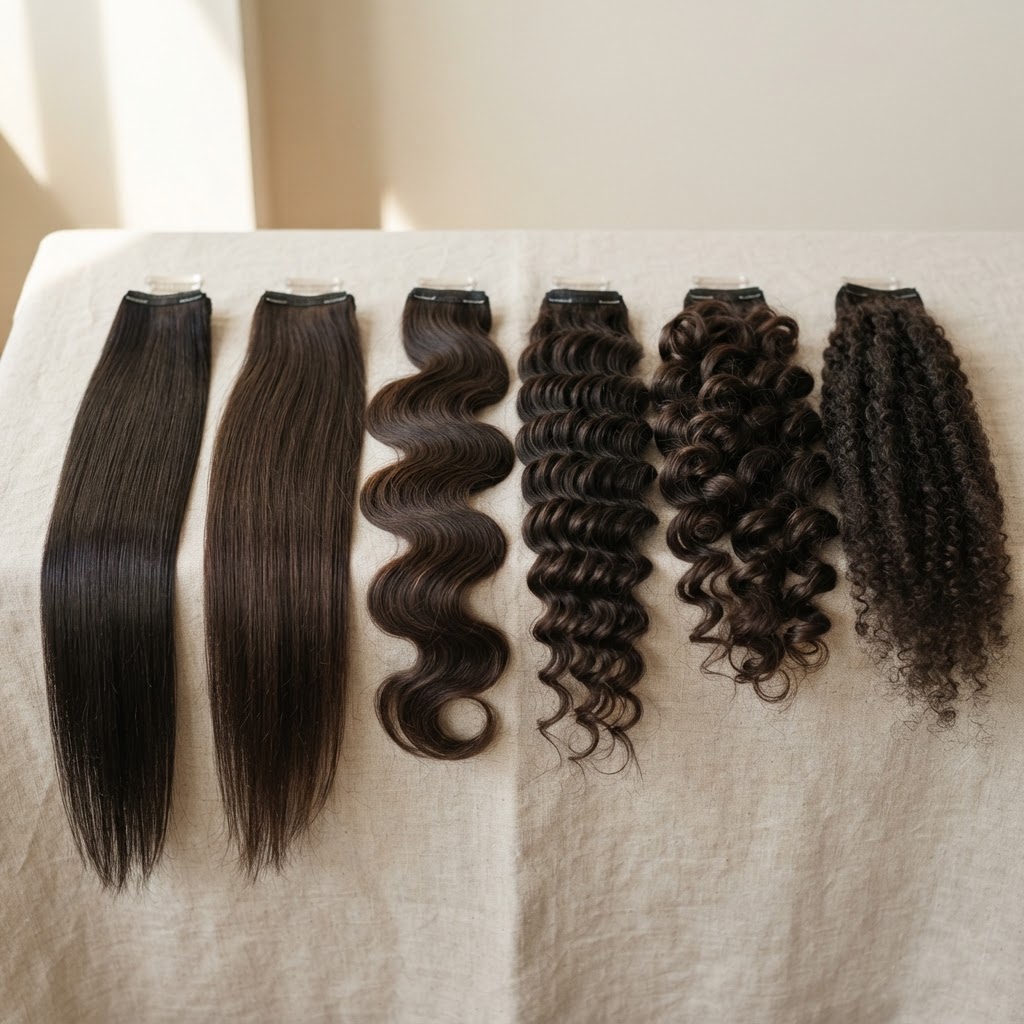
Finding the right hair extensions involves more than just picking a shade that matches your natural color. Whether you are looking for a complete transformation or simply want to add volume to your existing style, the process requires a deep understanding of hair quality, construction methods, and maintenance requirements. You can explore a wide variety of these beauty essentials at Sunber Hair (US), but knowing what to look for before you browse is the key to a successful purchase.
Understanding Hair Quality and Texture
The most important factor when shopping for extensions is the source material. Not all hair is created equal, and the way it is processed significantly impacts longevity and styling versatility. Look for options that emphasize natural cuticles, as this ensures the hair remains smooth and resistant to tangling. When browsing through various skin & hair care collections, pay attention to descriptions regarding hair origin and texture, as these details often hint at the overall quality of the product.
Consider your daily routine when choosing a texture. If you prefer a wash-and-go lifestyle, you might gravitate toward pre-styled waves or curls. However, if you enjoy switching between sleek, straight looks and voluminous styles, opting for natural virgin textures provides the most flexibility. Always compare the density of the weft or the construction of the cap, as these factors determine how the hair will lay against your scalp and how comfortable it will feel throughout the day.
Evaluating Construction and Application Methods
Once you have identified the right texture, evaluate the construction. Whether you prefer sew-in bundles, clip-ins, or wig units, the base structure matters immensely. A well-constructed base prevents shedding and ensures that the hair remains secure during wear. Examine the stitching of the wefts or the lace quality on wig units to ensure they meet your standards for durability and comfort.
If you are looking for ways to maximize your budget while shopping, check out our latest featured offers for potential ways to reduce your total at checkout. Many retailers provide distinct construction styles designed for specific hair types, so take the time to read the product specifications carefully. A common mistake is overlooking the weight or gram count of the hair, which directly influences how thick the final result will appear on your head.
Developing a Sustainable Maintenance Routine
Investing in quality hair requires a commitment to proper aftercare. Just like your natural hair, extensions need to be cleansed, conditioned, and protected from heat damage. High-quality hair will perform best when you use sulfate-free products and avoid heavy styling buildup. If you are uncertain about which products are best for your new additions, it is helpful to look for maintenance guides or recommendations provided by the brand you choose.
When you are ready to start shopping, you can use our compiled deal links to see if there are any active opportunities to lower your overall cost for these essential supplies. Remember that proper storage is just as vital as cleaning. When not in use, keep your hair extensions in a cool, dry place, ideally in a silk bag to prevent friction and static buildup. This simple habit preserves the integrity of the strands and keeps them looking fresh for longer.
Common Mistakes to Avoid During Your Search
A frequent error shoppers make is prioritizing aesthetics over practicality. While it is tempting to choose an experimental length or color based on a trend, consider how much time you are willing to dedicate to styling that specific piece. Another oversight is failing to properly color-match in natural lighting. If you are unsure about a specific shade, reach out to the retailer's customer support or review their color charts thoroughly before committing.
Lastly, ensure you are buying from a reputable source. Reliable retailers will provide clear information about the origins and maintenance of their products. As you continue to refine your beauty routine, you might also find inspiration for other health and wellness improvements by reviewing our analytical approach to supplement selection to see how quality standards apply across different personal care categories. By taking a thoughtful and strategic approach, you can ensure your hair stays looking vibrant, healthy, and natural with every wear.
Frequently asked questions
How do I choose the right hair texture for my natural hair?
You should aim to match the wave pattern and density of your natural hair as closely as possible. Consider whether your natural hair is typically straight, wavy, or coily, and look for extensions that offer a similar structure to ensure a seamless blend.
What is the difference between virgin hair and processed hair?
Virgin hair has never been chemically treated, colored, or permed, which generally makes it more durable and versatile for future styling. Processed hair has been treated to achieve specific colors or textures, which may limit how much you can change the hair's appearance later.
How often should I wash my hair extensions?
Extensions do not receive natural oils from your scalp, so they do not need to be washed as frequently as your natural hair. Aim to wash them every 10 to 15 wears, or sooner if there is significant product buildup, using gentle, sulfate-free shampoos.
Are there specific tools I need for installing hair extensions?
The necessary tools depend entirely on the method you choose. Clip-ins are easy to apply on your own, while sew-ins or tape-ins may require specific needles, thread, or application tools that often come recommended or included with the product.
How can I prevent my extensions from tangling?
Prevent tangling by brushing the hair gently from the ends upward using a wide-tooth comb or a brush designed for extensions. Always store the hair properly when not in use and avoid sleeping with wet extensions to minimize friction and knotting.


