
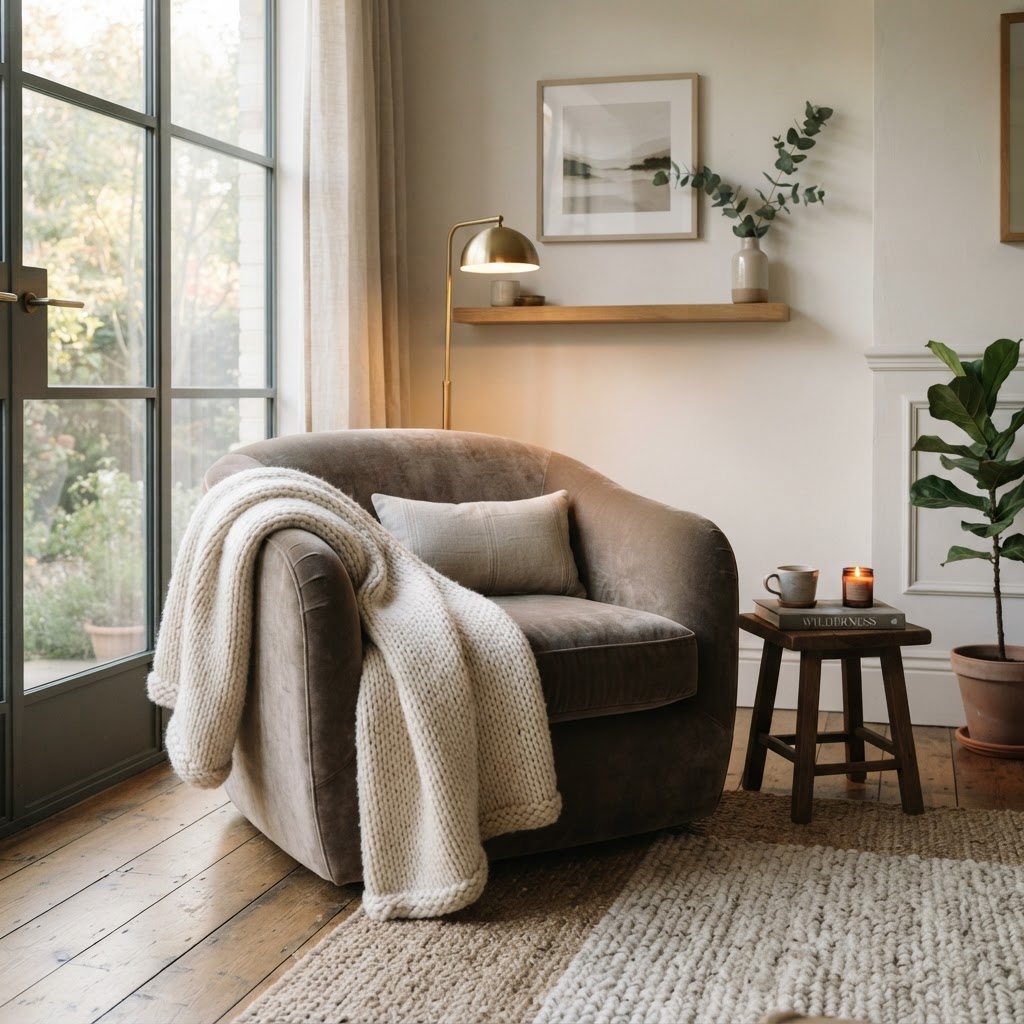
The Importance of Material Quality in Home Textiles
Finding the right balance between comfort and durability is essential when upgrading your home environment. Whether you are searching for a new throw blanket or reliable loungewear, the material composition often dictates how a product will perform over time and how it feels against your skin. High-quality textiles, such as those found at Snuggle Sac (US), are engineered to provide consistent texture and warmth. When browsing for these items, pay close attention to the fabric density. A denser weave generally offers better insulation and a more substantial feel, whereas lighter materials are better suited for layering during transitional seasons.
Beyond the initial feel, consider how the item will integrate into your daily routine. Textiles intended for relaxation should be machine-washable and retain their softness after repeated cleaning cycles. Always verify the care instructions before purchase to ensure that the upkeep aligns with your lifestyle. Poorly constructed items may lose their shape or texture after minimal use, which is why sourcing from dedicated bed & baths providers is a sensible approach for long-term satisfaction.
Evaluating Texture and Engineering
Not all plush fabrics are created equal. When selecting items like Mochi-soft blankets, you are looking for a specific tactile experience that blends softness with structural integrity. Modern manufacturing processes allow for engineered surfaces that are incredibly gentle while still being durable. To assess the quality, look for evenness in the pile and the absence of loose fibers or fraying at the edges. A well-crafted item should feel uniform throughout, indicating a high standard of quality control during production.
If you are exploring new additions to your home, it can be helpful to see what other shoppers are finding through current market highlights. However, avoid focusing solely on trends. Instead, prioritize items that offer functional benefits, such as thermal regulation or hypoallergenic properties, if you have specific sensitivities. Combining personal preference with technical specifications ensures you receive a product that is not just aesthetically pleasing but also physically restorative.
Strategic Shopping for Home Comfort
The marketplace for home essentials is vast, and identifying the right items requires a methodical mindset. One common mistake is neglecting to measure your space or the intended use case. A throw blanket meant for a twin bed will function differently than one meant for a large sectional sofa. Always check the dimensions provided in product descriptions to avoid purchasing items that are either too small to be useful or excessively bulky for your living area.
Furthermore, consider the environment where the textile will be placed. For colder climates, opt for materials with higher thermal retention, which can often be found when navigating through specialized saving opportunities. If you are shopping for accessories to complement your existing decor, consider the color palette and finish. Neutrals tend to be more versatile, allowing you to easily rotate items as your interior style evolves. By keeping these factors in mind, you can build a collection of home goods that stand the test of time and provide genuine utility.
Common Pitfalls to Avoid
One of the most frequent errors in purchasing home textiles is prioritizing price over quality. While it is natural to want to save, extremely low-cost items often utilize synthetic fibers that do not breathe well or lose their texture quickly. It is better to invest in a few high-quality pieces from reliable sources than to accumulate many low-quality items that will need replacing within a few months. Researching the brand ethos and product descriptions helps you understand what you are actually buying.
Another mistake is failing to account for the secondary use of loungewear and blankets. These are items that come into direct contact with your skin, meaning that comfort is non-negotiable. If you feel like your current setup is lacking, consider how different fabrics, like fleece or specialized synthetic blends, might change your experience. Comparing different options allows you to make an informed decision that prioritizes your comfort. Whether you are shopping for your own bedroom or seeking a thoughtful gift, taking the time to vet materials will always result in a better outcome. Always be sure to compare different fabric weights and textures to find the specific "hand" or feel that provides the relaxation you are looking for in your home environment.
Frequently asked questions
What should I look for when buying soft blankets?
Focus on the fabric density and the quality of the stitching. High-quality materials should feel uniform and plush without shedding, and the edges should be finished securely to prevent fraying over time.
How do I ensure my loungewear stays soft?
Always follow the care instructions provided on the garment's label. Using gentle detergents and avoiding high-heat drying cycles can significantly help maintain the texture and integrity of soft textiles.
Are synthetic fabrics good for home comfort?
Many modern synthetic materials are specifically engineered for superior softness and thermal regulation. When sourced from reputable retailers, these materials can offer excellent comfort and durability compared to traditional natural fibers.
How can I tell if a textile item is durable?
Check the weight of the fabric and look for consistent weave patterns. A heavier, more uniform construction generally indicates better durability and a longer lifespan, even with frequent daily use and washing.
What is the best way to shop for home textiles online?
Read product descriptions carefully to check for dimensions, material composition, and care requirements. Comparing these details against your specific needs helps ensure you select products that truly enhance your living space.


