
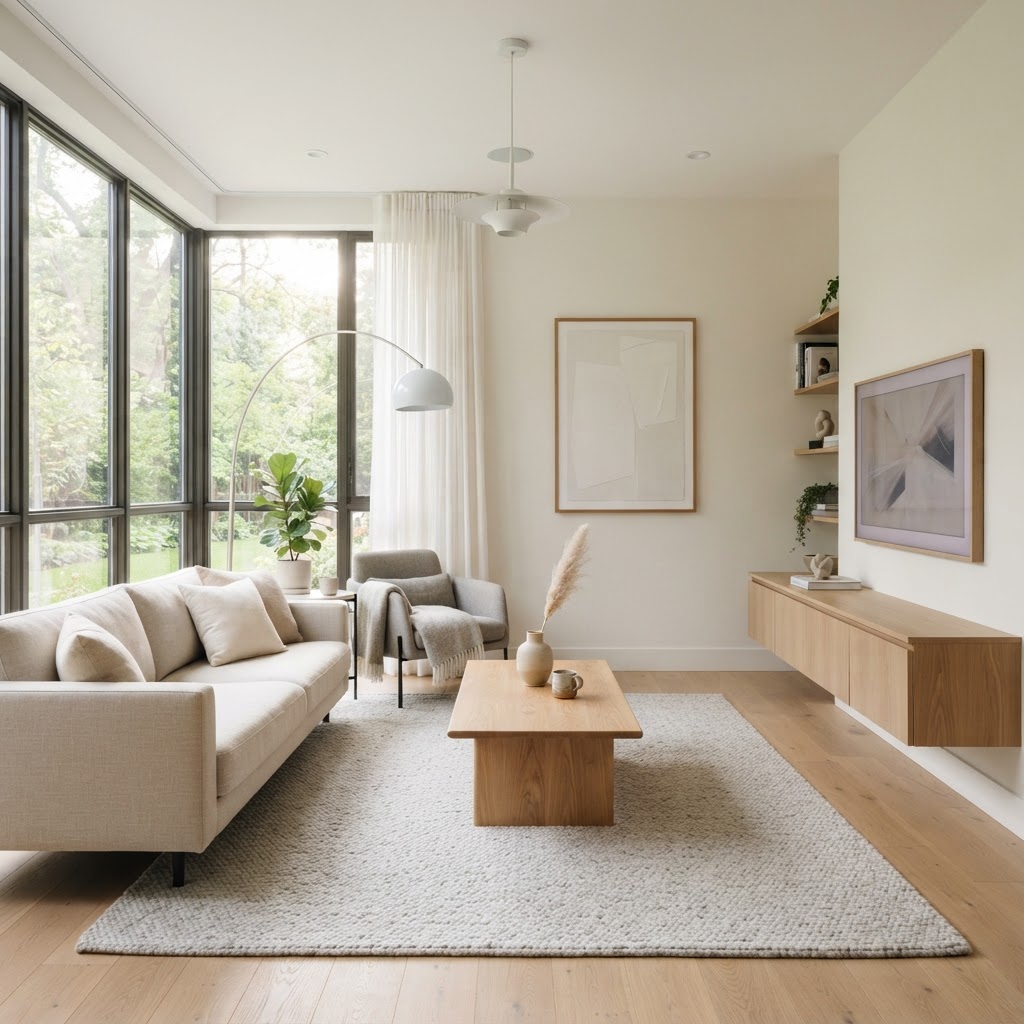
Mastering the Art of Home Furnishing
Building a home that feels both functional and personal requires more than just picking out the first pieces of furniture you see. It requires a strategic approach to space, utility, and aesthetic cohesion. Whether you are looking to refresh a single bedroom or outfit an entire residence, identifying reliable sources for high-quality goods is the first step in your renovation journey. Many shoppers find that exploring a comprehensive marketplace like Aosom provides an expansive range of options, from garden equipment to interior furniture, making it a central destination for those seeking versatility.
Developing Your Floor Plan Before You Buy
Before you commit to any large-scale purchase, you must have a clear understanding of your physical space. A common mistake is ordering furniture based on how it looks in an image rather than how it will inhabit your room. Start by measuring your available square footage precisely. Take note of traffic flow patterns—how people walk through the room—and ensure that any new additions do not obstruct doorways or walkways. Utilizing a furniture accessories guide can help you identify what pieces are necessary versus what might clutter a space. Remember, even a stylish piece will feel like a burden if it forces you to navigate around it constantly.
Defining Your Style Consistency
Cohesive design is achieved through repetition of style, texture, and color palettes. If your home leans toward modern minimalism, you want to avoid heavy, traditional pieces that might clash. When browsing platforms like Aosom, filter your search results to keep your specific aesthetic in mind. It is easy to get distracted by seasonal trends that do not fit your long-term vision. Instead of chasing fleeting fads, prioritize neutral base pieces that can be updated with smaller accessories as your taste evolves. Consistency creates a sense of calm, which is essential for any living environment.
The Practical Side of Selection
Once you know what you need, the next hurdle is evaluating product quality and functionality. Not every item is built for the same level of wear and tear. A dining chair used daily needs to be constructed from different materials than a decorative accent table. Look for details regarding assembly requirements and material composition. If you are shopping for a growing household, specifically checking baby and kids clothing or furniture essentials requires extra attention to safety ratings and ease of cleaning. Practicality should always weigh as heavily as visual appeal in your final decision.
Navigating Online Deal Landscapes
Shoppers who know how to navigate the digital marketplace often find better value for their money. Instead of rushing to check out, take time to explore featured offers that might apply to your current project. Effective shoppers look for bundles or categories that are currently being refreshed, which often signals that there are competitive prices available. It is also wise to keep a list of your must-have items and wait for the right moment to complete your purchase. For those who enjoy the hunt for the latest opportunities, exploring specific deal portals is a habit that can help keep your budget on track over time.
The Role of Maintenance and Assembly
Consider the "life cycle" of your furniture before purchasing. Ask yourself how much time you are willing to spend on assembly and long-term maintenance. Some items arrive flat-packed and require significant time to put together, while others may require specialized care to keep their surfaces looking new. If you are DIY-oriented, you might appreciate pieces that are designed for easy assembly and customization. However, if you prefer convenience, prioritize options that explicitly state they are ready-to-use or require minimal setup. Balancing your DIY capacity with the level of effort required for assembly will prevent buyer's remorse and ensure your home setup process is as smooth as possible.
Ultimately, a well-furnished home is a reflection of intentional choices. By taking the time to measure your space, define your style, and utilize smart shopping habits, you can create a space that feels curated and comfortable. Whether you are adding a single statement piece or redesigning an entire room, having a clear plan allows you to navigate diverse inventories with confidence and precision. Stick to your measurements, honor your personal style, and keep an eye out for value-added opportunities as you build the home of your dreams.
Frequently asked questions
How should I prepare my home before buying new furniture?
Start by measuring your space accurately, including doorways and hallways, to ensure the new items will fit. Consider the traffic flow in the room to avoid creating obstacles or clutter that disrupts daily movement.
Why is it important to define a style before shopping?
Having a defined aesthetic helps maintain a cohesive look across your home. It prevents you from purchasing conflicting items that may look good individually but fail to harmonize within your existing design scheme.
What should I look for when checking furniture quality?
Look for descriptions regarding materials, weight capacity, and ease of assembly. Consider the intended use of the piece to determine if the construction material is durable enough for its role in your home.
How can I make the assembly process easier?
Read the product descriptions carefully to see if items come pre-assembled or require DIY work. If you are not experienced with assembly, prioritize items designed for quick setup or have the necessary tools ready before your items arrive.
Is it better to buy all furniture at once or over time?
Buying items over time allows you to better assess your needs and stick to your budget. It also gives you the flexibility to adapt your decor as you see how your living space evolves and functions in daily life.


