
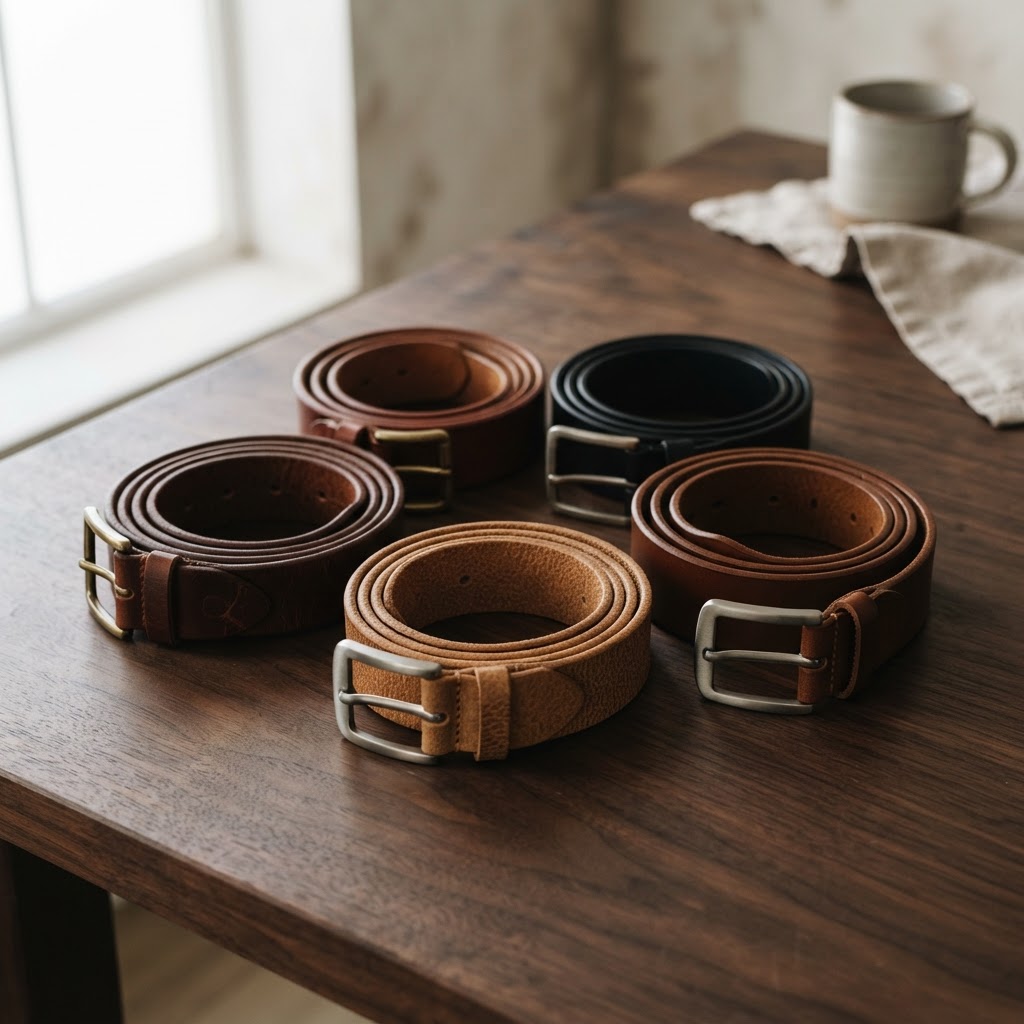
Understanding Material Quality in Belt Selection
Selecting a new belt involves more than just picking a color that matches your shoes. The longevity and appearance of the item depend heavily on the materials used during production. When browsing BELTBUY (US), you will notice a variety of options ranging from synthetic blends to top-grain leathers. Top-grain leather remains the gold standard for those seeking a balance between durability and aesthetic appeal. It is crafted from the top layer of the hide, which is inherently stronger and more resistant to wear than split-grain or bonded leather alternatives.
When examining product descriptions, look for specific terminology regarding the leather grade. Genuine leather is a catch-all term that often refers to the lower quality layers of the hide, while full-grain and top-grain offer superior tensile strength. If you are specifically looking for a durable staple for daily use, consider checking out the details for a well-constructed leather accessory. These items tend to develop a unique patina over time rather than cracking or peeling like lower-tier synthetic materials. Always prioritize items that explicitly state their construction method to ensure you are getting the value you expect.
Refining Your Fit and Sizing Strategy
One of the most common mistakes shoppers make is failing to measure correctly before adding an item to their cart. Many people rely on their pant size to choose a belt, but this is rarely accurate. A pant size represents where your garment sits on your waist, which may be different from the circumference where you actually fasten the belt. A better approach is to take a belt you already own and wear comfortably. Measure from the fold at the buckle end to the hole you use most frequently. This measurement is your ideal size.
Retailers often provide size charts to assist with this process. Taking a moment to compare these specific measurements against your own is essential. If you are shopping for a versatile wardrobe essential, ensure that the belt length leaves you with enough excess to tuck comfortably into the first loop, but not so much that it wraps around your hip. Ratchet-style belts have become a popular alternative because they eliminate the need for pre-punched holes, allowing for micro-adjustments that ensure a perfect fit regardless of minor weight fluctuations.
Evaluating Design and Hardware Durability
While the leather or fabric strap usually gets the most attention, the buckle and hardware are the components that actually bear the physical stress of daily wear. A heavy-duty buckle made from solid brass or stainless steel will always outperform plated alloys. Plated hardware may look sleek initially, but the finish often chips or pits after extended exposure to sweat and friction. Inspect the product imagery closely to determine if the hardware appears robust and well-finished.
If you are looking to explore current trends or seasonal styles, keep in mind that classic designs often provide the most utility. A 35mm width is generally considered the sweet spot for business casual attire, while wider belts lean more toward rugged or denim-focused ensembles. When you evaluate the build, look for signs of reinforced stitching around the buckle attachment point. This area receives the most tension and is typically the first place where inferior products fail. Investing in a solid construction saves you from frequent replacements and ensures your accessory remains a reliable part of your ensemble.
How to Manage Your Accessory Shopping
Shopping for accessories effectively requires a proactive mindset. Before making a purchase, audit your current collection to identify what you actually need versus what you want. Do you need a formal black belt for the office, or a casual brown one for the weekend? Organizing your shopping list helps you avoid impulse purchases that may not integrate well with your existing wardrobe. You can find helpful advice on navigating these types of purchases by checking our curated selection of shopping resources.
Finally, always check the product description for any special care instructions. Even the highest quality leather requires occasional conditioning to stay supple and crack-free. If you find yourself frequently purchasing accessories that do not last, it may be time to pivot your strategy toward items with higher-quality hardware and reputable construction standards. By focusing on these technical details—material grade, precise sizing, and sturdy hardware—you can ensure your next accessory acquisition is a smart, lasting investment that serves you for years to come.
Frequently asked questions
How do I determine my correct belt size?
Do not rely on your pant size, as it may be inaccurate for belt measurement. Instead, measure a belt you already wear from the fold of the buckle to the hole you use most often to find your ideal fit.
What is the difference between top-grain and genuine leather?
Top-grain leather is made from the outer layer of the hide, making it more durable and resistant to wear. Genuine leather is a broad term that often refers to lower-quality layers that are less durable than top or full-grain options.
Why is the width of a belt important?
Belt width dictates the formality and the types of pants it fits best. A 35mm belt is a versatile choice for business and smart-casual looks, while wider options are typically better suited for rugged trousers or jeans.
What should I look for in belt hardware?
Look for solid brass or stainless steel buckles rather than plated alloys. Solid materials are less likely to chip, pit, or break under the tension of daily wear.
Are ratchet belts better than traditional hole-based belts?
Ratchet belts offer the advantage of micro-adjustments, allowing for a precise fit without needing pre-punched holes. They are excellent if your waist size fluctuates slightly or if you prefer a customized fit throughout the day.


