
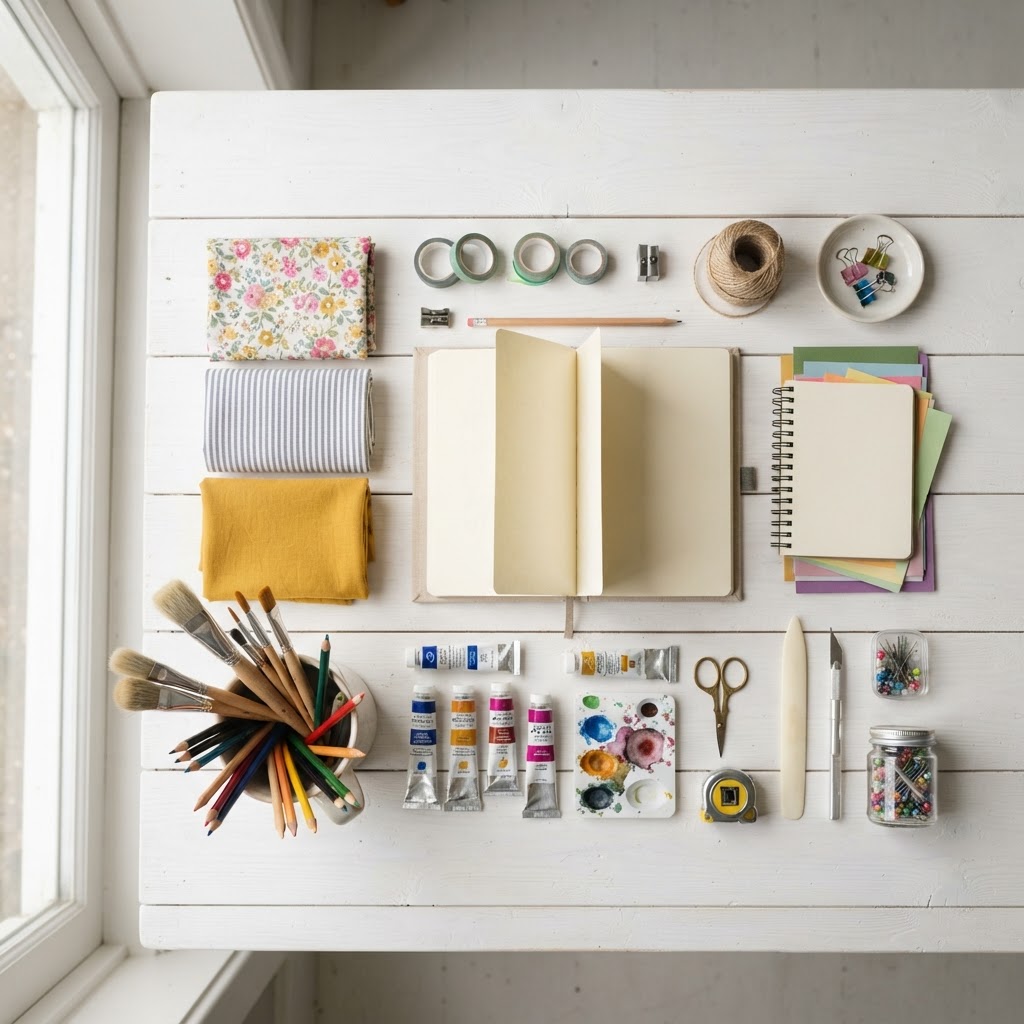
Finding the right materials for your creative projects involves more than just picking up the first item you see. Whether you are a professional artist or someone starting a new hobby, sourcing supplies effectively is the key to maintaining consistent output without breaking the bank. By understanding how to evaluate inventory and knowing where to look for value, you can build a collection that serves your specific needs. Start your journey by browsing our curated collection of art and craft resources to see what current offerings look like in the marketplace.
Evaluating Quality and Material Types
Not all craft materials are created equal. When purchasing supplies online, the primary challenge is determining the quality of an item through a screen. For fabric-based crafts, look for weight and fiber content details. For art materials, such as paints or sketching charcoal, consider the longevity of the pigments. It is easy to get caught up in the allure of a large kit, but a smaller set of high-quality materials often proves more useful and durable than a massive collection of entry-level components.
Before you commit to a purchase, always review the product specifications provided by the retailer. Retailers like Minerva often provide detailed descriptions of textile weights and finishes, which are essential for quilting or apparel construction. Similarly, when looking at Happy Tooned, focus on the unique utility of their specific kits. Knowing the difference between student-grade and professional-grade supplies can help you avoid the mistake of buying materials that do not meet your technical requirements.
Building Your Creative Inventory Wisely
Impulse buying is a common pitfall in the hobby world. To avoid accumulating unfinished projects and unused materials, maintain an inventory list. Before searching for various promotional opportunities, audit what you already have in your studio. This practice prevents the frustration of ordering redundant items and helps you focus your budget on the specific components you actually need to finish your current project.
If you are exploring new hobbies, consider start-up kits. These are designed to provide the foundational tools required to learn a skill without the need for an exhaustive search of individual parts. When you have a firm list of needs, you can more easily search for deals on the exact items that will allow you to progress in your craft. If you feel overwhelmed by the variety, keep an eye on our handpicked selections to see how experts categorize essential project items.
Strategic Shopping During Sales Cycles
Retailers frequently adjust their inventory, which leads to periodic clearance events. Seasonal transitions are particularly prime times to look for markdowns on seasonal fabrics, holiday-specific crafting supplies, or older versions of specialized equipment. Instead of shopping by the item, shop by the category during these natural lulls in consumer demand.
Always verify the total cost, including any relevant taxes or shipping fees, before concluding that an offer provides genuine value. Some retailers offer benefits such as free delivery after hitting a certain spending threshold. If you find yourself just shy of that limit, it may be more economical to add a small, necessary consumable—like needles, thread, or paper—rather than paying for shipping. This strategy ensures your money goes toward tangible goods that you will use in your projects.
Common Mistakes and How to Avoid Them
The most frequent error hobbyists make is failing to check compatibility. If you are buying new attachments for a sewing machine or specific mediums for an art set, ensure they are compatible with the gear you already own. Researching the manufacturer's technical guides can save you from the hassle of returns. Additionally, stay organized by keeping digital receipts or order confirmation numbers, as many craft shops offer distinct return policies for cut fabric versus factory-sealed kits.
Lastly, remember that patience is a tool of the trade. If you are not in an immediate rush to start a new project, waiting for a specific sale event can lead to substantial differences in your bottom line. By staying informed and monitoring store updates, you can align your creative goals with the best possible purchasing windows. Use these habits to build a sustainable creative practice that values both your artistic vision and your financial health.
Frequently asked questions
How do I know if I am buying professional-grade or student-grade art supplies?
Professional-grade supplies usually feature higher pigment loads, superior lightfastness, and better material durability. Look for descriptions that highlight raw ingredients and intended use, as retailers often distinguish these tiers in the product details.
What is the best way to avoid overbuying craft supplies?
Maintain a physical or digital inventory list of your current materials. By keeping track of what you own, you can avoid buying duplicates and focus your budget on specific items required to complete your active projects.
Should I purchase craft kits if I am a beginner?
Kits are excellent for beginners because they bundle the essential tools needed to start a hobby. They simplify the shopping process and help you learn the basics before you decide to invest in higher-quality individual components.
Are clearance sales always the best time to buy?
Clearance sales are great for saving money, but check the product condition and return policy first. Ensure the items being cleared are still suitable for your needs and that they are not obsolete or incompatible with your current tools.
How can I maximize my budget when ordering supplies online?
Look for retailers that offer free shipping thresholds and keep an eye on seasonal sales. If you are close to a minimum spend requirement, consider adding small, frequently used essentials to your order to hit the threshold instead of paying extra for delivery.


