
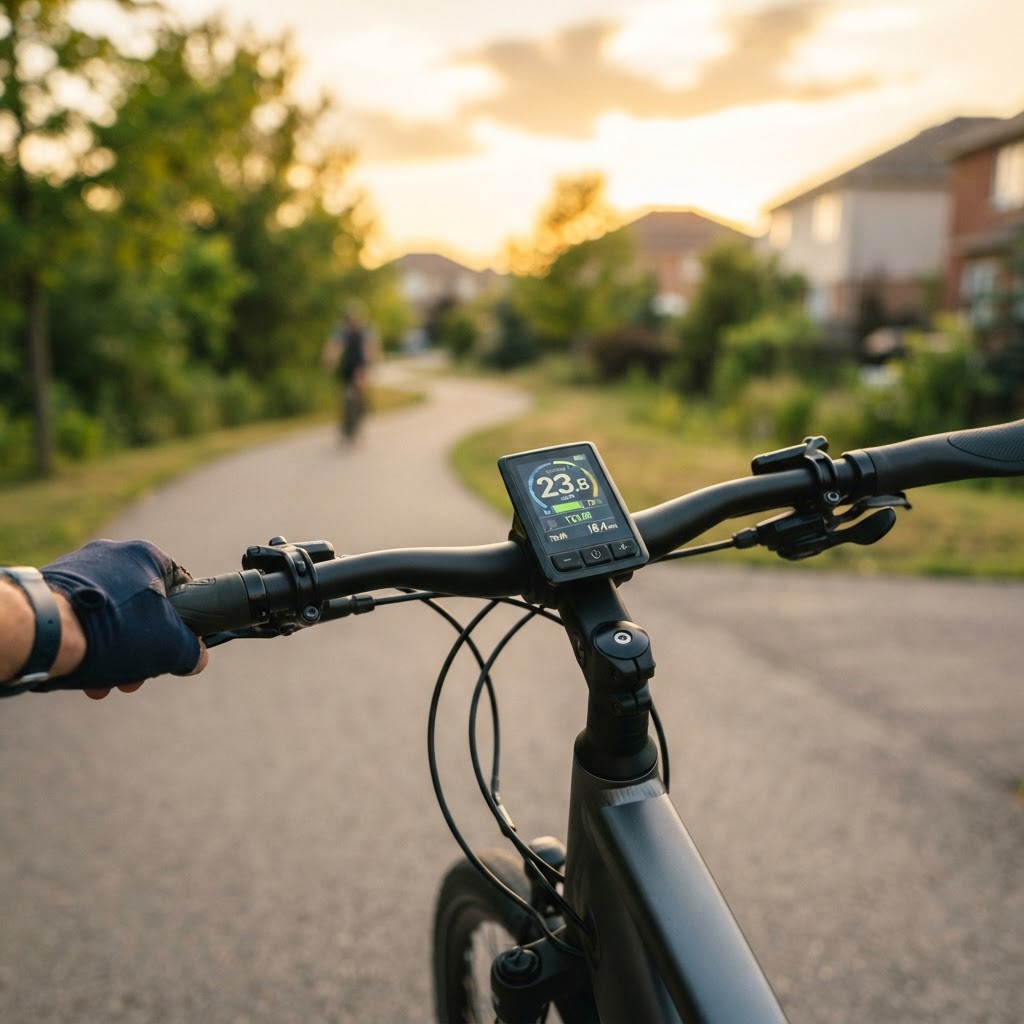
Understanding Your Riding Needs
Before investing in an electric bike, it is essential to determine how you plan to use the vehicle. E-bikes serve a wide variety of purposes, from daily urban commutes to leisurely weekend trail rides. Identifying your primary goal helps narrow down the technical specifications you truly need, preventing over-spending on features that might not suit your environment. If you plan on tackling steep hills or rough terrain, a high-torque motor becomes a non-negotiable requirement. Conversely, if your path is mostly flat and paved, you might prioritize battery capacity over peak power.
You can browse various models and collections at Cyseekin to get an idea of the different styles currently available on the market. Always consider the weight of the bike relative to your storage situation. Will you need to carry it up stairs or store it in a tight apartment hallway? Modern designs vary significantly in frame geometry and total mass, so checking these logistics early is part of a sound strategy for finding equipment that fits your life.
Evaluating Battery Range and Charging Logistics
The battery is arguably the most critical component of an electric bike. It dictates how far you can travel on a single charge and how much weight the bike will ultimately carry. When reading product specifications, look for the watt-hour (Wh) rating. A higher Wh count generally indicates a larger capacity, but remember that real-world range often differs from manufacturer estimates due to factors like rider weight, terrain, and wind resistance. You might discover useful ways to find savings on models that offer the specific battery capacity you require.
Charging time is another factor frequently overlooked. Ensure the charging process aligns with your schedule. Some bikes offer removable batteries, which are incredibly convenient if you do not have a power outlet directly near your bike storage spot. Being able to bring the battery inside to charge at a desk or in a utility room adds a layer of practicality that significantly enhances the daily ownership experience. Always verify if the battery locking mechanism is secure and how easy it is to remove for charging cycles.
Motor Performance and Drive Systems
The placement and power of the motor define how the bike feels while in motion. Hub motors, located in the wheel, provide a smooth push and are common in many recreational bikes. Mid-drive motors, situated near the pedals, offer a more natural pedaling feel and are generally better for climbing steep inclines because they leverage the bike’s gear system. Understanding this distinction is vital when comparing options found at retailers like Cyseekin, as the drive system will dictate how the bike handles under load.
Additionally, consider the difference between pedal-assist and throttle-controlled models. Pedal-assist senses your effort and provides power accordingly, which often results in a more natural cycling sensation. Throttle-controlled bikes behave more like motorbikes, allowing you to move without pedaling at all. Check local regulations in your area, as some jurisdictions have specific rules regarding maximum speeds and motor wattage for e-bikes on public paths. Always prioritize safety features like integrated lighting and high-quality braking systems, especially if you plan to commute in low-light conditions.
Maintenance and Long-Term Ownership
Buying an electric bike is a significant investment that requires ongoing attention. Unlike a traditional bicycle, an e-bike involves electrical components that may require professional service over time. Before making a final purchase, consider the ease of sourcing replacement parts or finding a local shop comfortable with the specific brand's electronics. If you are new to the world of personal electric vehicles, you might find it helpful to look at general guidelines on vetting technical products to help you feel more confident in your decision.
Just as one might research specialized home fixtures or other durable goods, treat your e-bike as a long-term utility. Regularly clean the chain, check tire pressure, and ensure your battery firmware is updated if the manufacturer provides a companion app. A well-maintained e-bike will provide years of reliable service, making your initial research time well worth the effort. By focusing on the intersection of your personal needs, local regulations, and the mechanical specifications of your chosen model, you can confidently select a vehicle that enhances your daily mobility.
Frequently asked questions
What is the most important factor when choosing an e-bike?
The most important factor is identifying the terrain you will ride on most often. This dictates whether you need a high-torque mid-drive motor for hills or a simpler hub motor for flat urban commuting.
Does battery capacity really matter for daily commutes?
Yes, battery capacity is crucial because real-world range is often lower than the manufacturer's maximum estimate. Factor in your round-trip distance and potential incline to ensure you do not run out of power mid-ride.
Are removable batteries better than integrated ones?
Removable batteries are typically more convenient for most owners because they allow you to charge the battery inside your home or office. This is particularly beneficial if your bike storage area lacks electrical outlets.
How do I know if an e-bike is legally allowed on my local trails?
You should check your local municipal laws regarding e-bike classes and wattage limits. Different areas have strict regulations on where electric bikes can be ridden and at what maximum speeds.
What kind of maintenance should I expect for an e-bike?
Beyond standard bicycle maintenance like tire inflation and chain cleaning, you must manage battery health. Keep the battery charged according to manufacturer guidelines and ensure the electronic display stays protected from harsh weather.


