
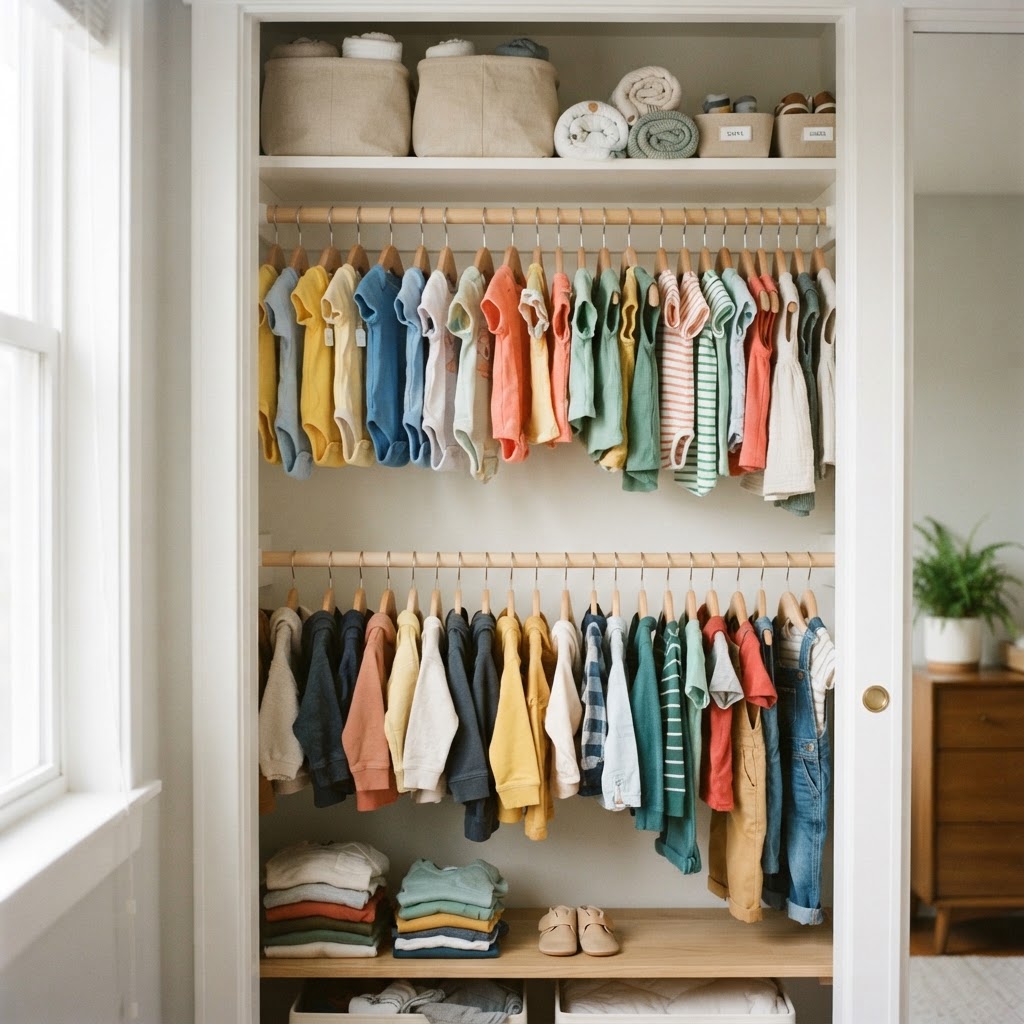
Navigating the Evolving Needs of Growing Children
Managing the costs associated with children's attire requires a blend of foresight and strategic planning. Because children grow rapidly, the cycle of buying, outgrowing, and replacing items is constant. Establishing a consistent rhythm for browsing baby and kids clothing allows you to catch seasonal transitions before they become an urgent necessity. When you approach these purchases as a recurring logistical task rather than a series of one-off emergencies, you can significantly reduce the pressure on your monthly finances.
To build a versatile wardrobe, focus on modular pieces. Look for staples that can be layered throughout the year. Simple cotton shirts, durable trousers, and adjustable-fit garments provide more value over time than highly specific outfits that serve only one purpose or one season. By prioritizing quality basics, you ensure that pieces can be worn across different settings, from school days to weekend activities.
Tactics for Smarter Apparel Acquisition
One of the most effective ways to maintain control over your spending is to refine how you search for deals. Many shoppers find that checking verified discount codes before finalizing a cart is a habit that pays off significantly over a full year. Instead of waiting for a specific need to arise, keep a list of standard sizes for each child updated on your phone. When a promotion appears at retailers like Finish Line for activewear or footwear, you will be prepared to make a purchase that fits your actual requirements.
Another common mistake is purchasing clothing that is exactly the current size. Children often hit growth spurts unexpectedly, rendering perfectly good garments useless within weeks. Purchasing one size up for outerwear or casual items can extend the lifespan of your investment. However, be cautious with footwear and athletic gear where proper support is essential for development and safety; always prioritize fit over longevity for shoes.
The Role of Value Bundles and Seasonal Planning
Retailers frequently offer multi-item bundles that can be more economical than buying individual pieces. For younger children, essentials like bodysuits, swaddles, or nursing accessories found at specialists like Momcozy US are often better acquired in these value-packed sets. When reviewing these offers, look at the price per unit rather than the total cost of the package. This simple calculation helps you identify if the bulk discount actually represents a saving compared to your baseline budget.
Seasonal timing is equally critical. Off-season shopping is a time-tested method for securing high-quality items at a lower cost. Browsing for winter coats in the early spring or summer items as the school year begins can yield significant utility. While this requires a bit of advanced planning, the cumulative savings over several years make the effort worthwhile. Always check the current promotional highlights to see if your intended seasonal purchases align with current site-wide events.
Maintaining Your Collection Through Proper Care
The cost of replacing clothing is high, but prolonging the life of what you already own is a hidden way to save. Developing a consistent laundry routine—using gentle detergents and following care labels—prevents unnecessary wear and tear. Fabrics that are maintained properly retain their shape and color, allowing them to potentially be passed down to siblings or donated in good condition, which keeps the overall cycle of your household expenditures sustainable.
When you do need to replace items, take a moment to evaluate the materials. Natural fibers like cotton often offer a better balance between comfort and durability compared to synthetic alternatives. While a slightly higher upfront cost might seem counterintuitive when trying to save, these garments often withstand repeated washing cycles far better than cheaper, fast-fashion alternatives. Consider the long-term utility of the fabric before finalizing your decision.
Finally, remember that the most successful shopping strategy is one that remains flexible. If you find yourself frequently overspending, reconsider your approach to how you source your family essentials. By integrating these practices—tracking sizes, leveraging reliable codes, and buying for the season ahead—you can keep your family looking great without the stress of reactive, high-cost shopping. This proactive mindset transforms the way you manage your family’s requirements, turning a chore into a manageable part of your household routine.
Frequently asked questions
What is the best way to track my children's clothing sizes?
Keep a note on your smartphone updated with each child's current clothing and shoe size, as well as the date you last measured them. This makes it much easier to shop confidently during sales without guessing if an item will fit.
Should I buy clothes in the next size up?
Buying one size up is a great strategy for basics, jackets, and pajamas to get more longevity out of your purchase. However, always prioritize a proper fit for footwear and activewear to ensure comfort and support for your child.
Why is off-season shopping recommended?
Off-season shopping allows you to purchase high-quality items at clearance prices. By buying winter clothing in the spring or summer gear in the fall, you can secure items for your child's future needs at a fraction of the cost.
How can I make sure I am getting the best price?
Always check for available discount codes or promotional offers before finalizing your order. Reviewing site-wide sales and comparing prices across different retailers can help ensure you are making an informed financial decision.
What is the benefit of buying in bundles?
Value bundles are often cheaper per item than purchasing individual pieces. When you need essentials like basics or baby gear, bundles can be a cost-effective way to stock up while reducing the number of individual transactions you need to make.


