
Mastering the Online Toy Market
Shopping for children’s entertainment requires a balance between quality, durability, and cost. Whether you are hunting for specific educational kits, complex board games, or seasonal outdoor equipment, the sheer volume of options can be overwhelming. Rather than clicking through random sites, successful shoppers prioritize research and strategic timing. By understanding how to evaluate product listings and track ongoing deals, you can ensure your purchase is both high-quality and budget-friendly.
When you start browsing the Toys & Games landscape, your first step should be defining the recipient's specific needs. Are you looking for cognitive development through puzzles, or perhaps active play with outdoor toys? Distinguishing between these categories helps narrow your search. Once you have a target, avoid impulse buys. Instead, compare various online storefronts like The Chess Store, Inc. or TINY LAND INC to see if they offer a wider range of the specific item types you need. Each retailer brings different expertise to the table, and identifying these niches early saves hours of aimless scrolling.
Evaluating Product Quality and Authenticity
The most common mistake shoppers make when buying toys online is failing to verify the construction and safety details. In an era of mass-produced goods, the difference between a high-quality action figure and a low-cost imitation often lies in the product description. Always look for clear specifications regarding materials, age appropriateness, and safety certifications. If a site like Happy Tooned or Kaiya Baby offers a detailed breakdown of what the toy is made of, prioritize those listings over vague, generic descriptions.
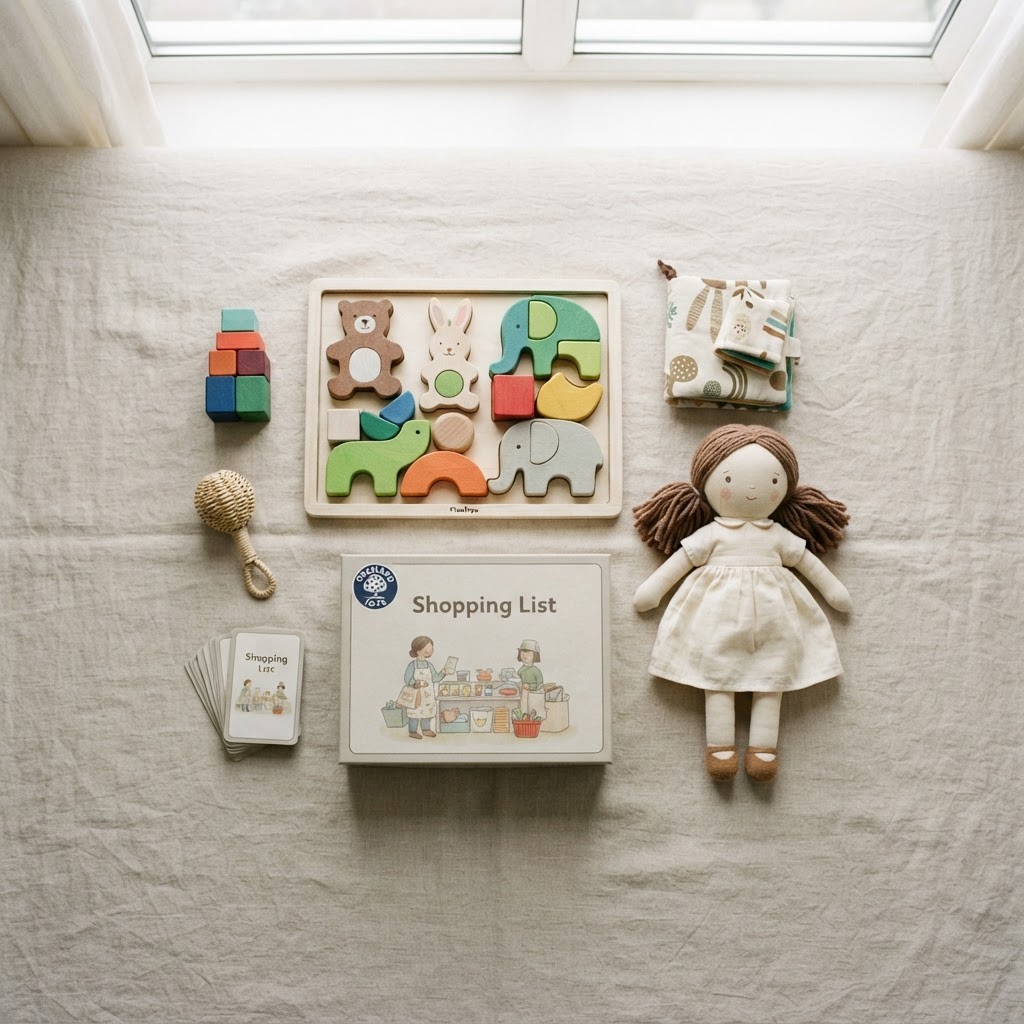
Beyond materials, consider the longevity of the toy. A high-quality board game might offer years of family engagement, whereas a cheaply made novelty item may break after one afternoon. Check if the retailer provides detailed images from multiple angles. High-resolution photos often reveal the true quality of the craftsmanship, such as the wood grain on a puzzle or the stitching on a doll. Use these details to assess whether the price reflects the value provided.
Optimizing Your Shopping Budget
Once you have curated a list of potential items, it is time to look at the financial side of your purchase. Most online retailers operate on shifting pricing cycles. Never pay full retail price if you have not checked for available promotional codes or seasonal incentives. Many websites feature dedicated areas for featured offers, which can provide insight into which categories are currently receiving price adjustments.
Consider the total cost of ownership rather than just the sticker price. Factors such as shipping fees and potential return costs can significantly inflate your final expenditure. If a retailer offers free shipping thresholds, it is often more cost-effective to add a smaller accessory or a needed item to your order to hit that requirement, rather than paying for individual shipping on separate purchases. This is a common strategy used by experienced parents and gift-givers to maintain their budget while securing everything needed for an upcoming birthday or holiday.
Building a Strategy for Repeat Success
Consistency is key to effective online shopping. Keep a digital file or a simple spreadsheet of stores you have found reliable. If you enjoy the variety of puzzles or educational kits offered by a specific shop, monitor their updates regularly. Signing up for email newsletters from your preferred retailers can alert you to upcoming sales before they go public. This proactive approach allows you to plan your purchases during peak savings windows, such as seasonal clearance events or holiday promotions, rather than frantically searching for deals at the last minute.
Finally, always read the fine print regarding return policies. Even with the best preparation, sometimes a toy arrives and it is not quite what you expected, or it simply does not match the recipient's interests. Knowing the process for exchanges or returns ahead of time mitigates the stress of a potential mismatch. By refining your approach to these categories—from educational puzzles to outdoor play gear—you ensure that your home remains filled with high-quality items that offer genuine engagement without breaking your budget. With a bit of planning and a focus on value, you can master the art of sourcing the best toys and games online.
Frequently asked questions
How can I tell if a toy is age-appropriate before buying online?
Always check the manufacturer's recommended age range usually listed in the product description. Additionally, look for details on small parts or choking hazards, which are standard safety disclosures for reputable toys.
What is the best way to save on high-quality board games?
Keep an eye on retailers that specialize in hobby gear. These sites often host seasonal sales or promotional events where you can find lower prices on niche or classic games that are otherwise expensive at big-box stores.
Is it worth waiting for specific shopping events to buy toys?
Yes, if you are not in a rush. Major shopping holidays often yield better pricing on educational sets and outdoor equipment. Planning your major toy purchases around these known cycles can save you a significant amount over the year.
How do I avoid buying low-quality toys online?
Prioritize retailers that provide transparent information about materials and manufacturing. Look for high-resolution images that show texture and construction quality, as these are often indicators of a better product compared to generic, low-quality alternatives.
Are shipping costs always a major factor when buying toys?
Shipping costs can significantly change the total price of your order, especially for bulky outdoor toys. Always look for stores offering free shipping thresholds or promotions, as these can offset the cost of heavier items.


