
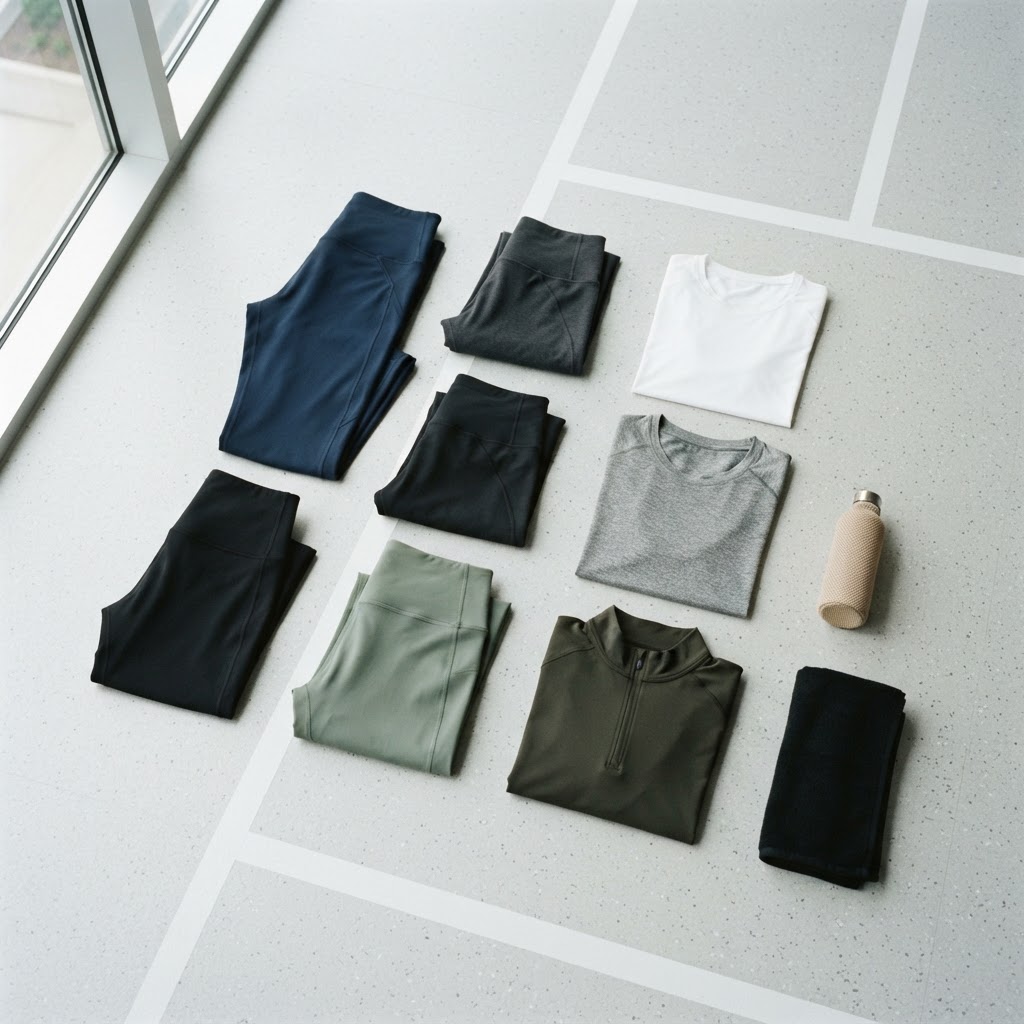
Mastering the Fundamentals of Performance Wear
Building a collection of athletic apparel requires more than just picking out the most vibrant colors in the store. When you are looking for functional pieces that can handle high-intensity training or casual daily movement, the priority must shift toward technical specifications and material longevity. The most effective way to curate a versatile wardrobe is to evaluate each item based on its intended use, whether that is heavy weightlifting, long-distance running, or restorative yoga. You can explore a wide variety of options for your women's fashion needs to get a better sense of current design trends and material innovations.
Before you invest in new gear, take inventory of what you already own. Many shoppers fall into the trap of purchasing duplicates of items that do not perform well during their specific activities. By identifying which pieces provide the best support, breathability, and moisture-wicking properties, you create a baseline for future acquisitions. High-performance items often feature synthetic blends like polyester and elastane, which offer the necessary stretch and recovery. Understanding these fabric compositions helps you move past mere aesthetics and toward items that actually serve a purpose in your active life.
Prioritizing Versatility and Durability
One of the most common mistakes is ignoring the importance of fit and fabric durability in favor of rapid trend-chasing. While style is a factor, an athletic piece that loses its shape after three washes is rarely a good investment. When shopping for staples, look for reinforced stitching, flatlock seams that minimize chafing, and high-density fabrics that maintain compression. You might find premium options at retailers like Finish Line, where variety allows you to compare different brands side-by-side to determine which construction best matches your personal preferences.
Consider how pieces integrate with your existing rotation. A neutral-colored pair of joggers or a high-quality sports bra can serve as the anchor for many different outfits. When you stick to a cohesive color palette or a specific style aesthetic, you maximize the number of ways you can mix and match items for different levels of activity. This approach simplifies your mornings and ensures that every piece in your drawer earns its place through frequent, comfortable use.
The Role of Seasonal Timing in Wardrobe Building
Timing your purchases is arguably as important as selecting the right items. Retail cycles often dictate when specific categories see the deepest markdowns. By monitoring featured offers, you can better plan your upgrades around natural buying cycles. For instance, transitional seasons like late winter or late summer are often prime times to catch markdowns on items that are moving out to make room for new inventory. Understanding these patterns allows you to acquire higher-quality items at more accessible price points without compromising on brand or functionality.
When you encounter a sale, remain disciplined. It is easy to be swayed by a bargain, but an item you will not wear is never a good deal, regardless of the discount. Focus your energy on those "gap" items—the ones you have noted as missing from your collection—rather than filling your closet with impulse buys. You can keep track of various current brand promotions to ensure you are ready when the items you actually need reach a price point that makes sense for your budget.
Avoiding Common Shopping Pitfalls
To avoid cluttering your life with underutilized gear, always check the sizing charts provided by the specific manufacturer. Sizing varies drastically across different athletic brands, and relying solely on your standard "street size" can lead to returns and frustration. Take the time to measure yourself properly; if a company provides garment measurements, use them against your own favorite, well-fitting items. Furthermore, be wary of overly complicated designs that prioritize visual flair over utility. In athletic apparel, simple, high-performing designs almost always outperform complex, fashion-forward pieces during actual exercise.
Finally, do not underestimate the value of reading user feedback to understand how an item holds up after months of use rather than just initial comfort. While you should never base a purchase solely on reviews, common themes regarding fabric pilling, fading, or loss of elasticity can provide valuable insights that are not visible in product photos. By adopting a methodical, strategic approach to building your collection, you ensure that your athletic wardrobe remains a reliable, functional tool that supports your goals for years to come.
Frequently asked questions
What is the best way to determine if an athletic fabric is high-quality?
Look for a high percentage of technical fibers like elastane or spandex, which provide necessary stretch and shape retention. Additionally, examine the stitching to ensure it is reinforced, as durable seams are a hallmark of performance gear meant for frequent use.
How can I avoid buying too much workout gear I don't need?
Perform a 'gap analysis' of your current wardrobe by identifying which activities you participate in most often and which pieces are actually worn during those times. Only target replacements or additions that fill a specific functionality void in your current rotation.
Does size differ between athletic brands?
Yes, sizing can vary significantly. Always consult the specific size guide provided by the brand for the item you are considering rather than relying on your standard size across different manufacturers.
What should I look for in user reviews for athletic wear?
Look for feedback regarding long-term durability, such as how the fabric behaves after several cycles of washing and drying. Patterns in comments about fading, loss of compression, or seams unraveling are more useful than general comments about initial fit.
Why is it important to prioritize neutral colors in a workout wardrobe?
Neutral colors provide a versatile base that makes it easy to mix and match different tops and bottoms. This strategy allows you to create more outfit combinations with fewer total pieces, maximizing the efficiency of your wardrobe.


