
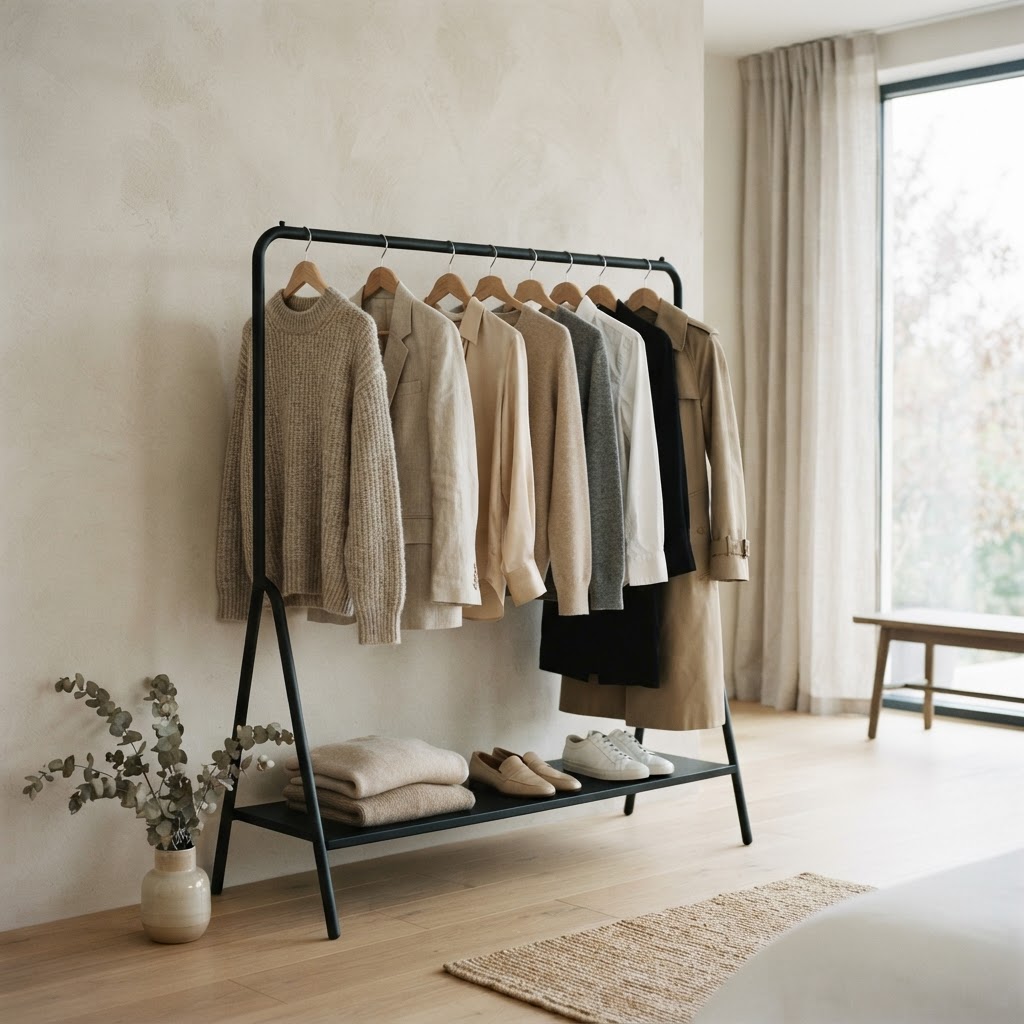
Mastering the Fundamentals of Wardrobe Management
Building a functional collection of clothing requires a shift in perspective. Instead of chasing fleeting trends, the most effective shoppers treat their wardrobe as a long-term investment. Whether you are browsing through diverse apparel collections or looking to refresh your basics, the goal should be durability, versatility, and fit. A well-curated closet allows you to assemble outfits quickly while ensuring that every item serves a specific purpose.
Before adding new pieces, take stock of what you already own. Often, shoppers purchase items that serve a similar function to existing garments, leading to unnecessary clutter. Start by identifying the 'gaps' in your current selection. Are you missing key seasonal layers? Do you need specific items for professional or leisure activities? By defining these needs first, you turn shopping into a targeted mission rather than an impulse-driven habit.
Evaluating Quality and Material Longevity
The longevity of a garment is heavily influenced by its construction and the quality of its materials. When assessing potential purchases—whether it is a sturdy denim jacket or a delicate accessory—inspect the stitching. Loose threads, uneven seams, or misaligned patterns often indicate poor quality control. While many retailers like Some Slight Clothing offer a variety of styles, always prioritize items that feel substantial enough to withstand regular wear and washing.
Fabric choice is equally important. Natural fibers like cotton, wool, and linen generally offer better breathability and texture over time, though synthetic blends are sometimes necessary for activewear or outerwear functionality. Always check the care labels before finalizing a purchase. If an item requires extensive special care that you are unwilling to provide, it is likely to end up sitting in your closet unused. Remember that true value is calculated by cost-per-wear; a slightly higher investment in a durable, well-made staple is often more economical than replacing a low-quality item repeatedly.
Smart Shopping Tactics for Apparel
Navigating the vast digital marketplace can feel overwhelming, but utilizing the right tools simplifies the process. Many shoppers head straight to massive platforms like Amazon to compare hundreds of options, from basics to niche accessories. However, the sheer volume of choices requires a disciplined approach. Use filtering tools to narrow your search by size, fabric, and customer-verified attributes to avoid 'analysis paralysis.'
Beyond the search process, understanding how to leverage savings is essential for any budget-conscious consumer. Many platforms provide specialized promotional offers that can significantly reduce the total cost of a comprehensive haul. Before confirming your checkout, verify if there are active codes that apply to your specific category or items. For example, some brands like Snuggle Sac (US) provide incentives for first-time purchasers, which is a great way to try a new brand without committing to a full-price purchase.
Avoid the trap of 'deal fatigue.' Just because a promotional offer is available does not mean the item is necessary. Keep your original list of 'gap-filling' items in mind. If you find a sale on a product that doesn't fit your current style or functional needs, the savings are effectively negated by the clutter and wasted expenditure. Stay focused on building a coherent collection.
Refining Your Personal Style Over Time
Your wardrobe should evolve as your lifestyle and personal aesthetic change. The secret to a timeless closet is selecting pieces that can be layered and mixed across different occasions. Focus on neutral foundations that act as a canvas for bolder accessories. If you enjoy experimenting with trends, limit those purchases to accessories like sunglasses or scarves, which have less impact on your overall silhouette but add a fresh feel to your existing outfit combinations.
Finally, always read the sizing guides provided by the specific manufacturer. Sizing can vary wildly between different brands and even between different product lines within the same brand. If you are unsure about how an item fits, look for detailed descriptions of the fabric's stretch and intended silhouette. Taking these small, methodical steps before you finalize your order ensures that you receive items that you will wear confidently and frequently, ultimately saving you time and frustration in the long run. By maintaining this structured approach to shopping, you ensure your wardrobe remains a source of convenience and personal expression rather than a source of stress.
Frequently asked questions
How do I determine which clothing items are worth the investment?
Focus on items you will wear frequently, such as jeans, coats, or versatile basics. Evaluate these pieces based on fabric quality, construction details like stitching, and how well they integrate into your existing wardrobe.
What is the best way to avoid impulse shopping for clothes?
Create a 'needs list' before you start shopping to identify specific gaps in your wardrobe. Only browse with the intention of filling those identified needs, and avoid shopping during major sale events unless you are specifically looking for an item already on your list.
Why is checking the care label important before buying?
The care label tells you how much time and money you will need to spend maintaining the garment. If an item requires professional dry cleaning or delicate hand washing, ensure you are genuinely willing to put in that effort before purchasing.
How can I ensure the right fit when buying clothing online?
Always consult the specific size guide provided by the retailer, as measurements can differ significantly between brands. Pay attention to descriptions regarding the item's fit, such as whether it is a slim, regular, or oversized cut.
Are promotional offers always a good deal?
Not necessarily. A discount is only truly beneficial if you were already planning to purchase the item. Buying something solely because it is on sale can lead to an accumulation of unused items that do not fit your personal style or functional needs.


