
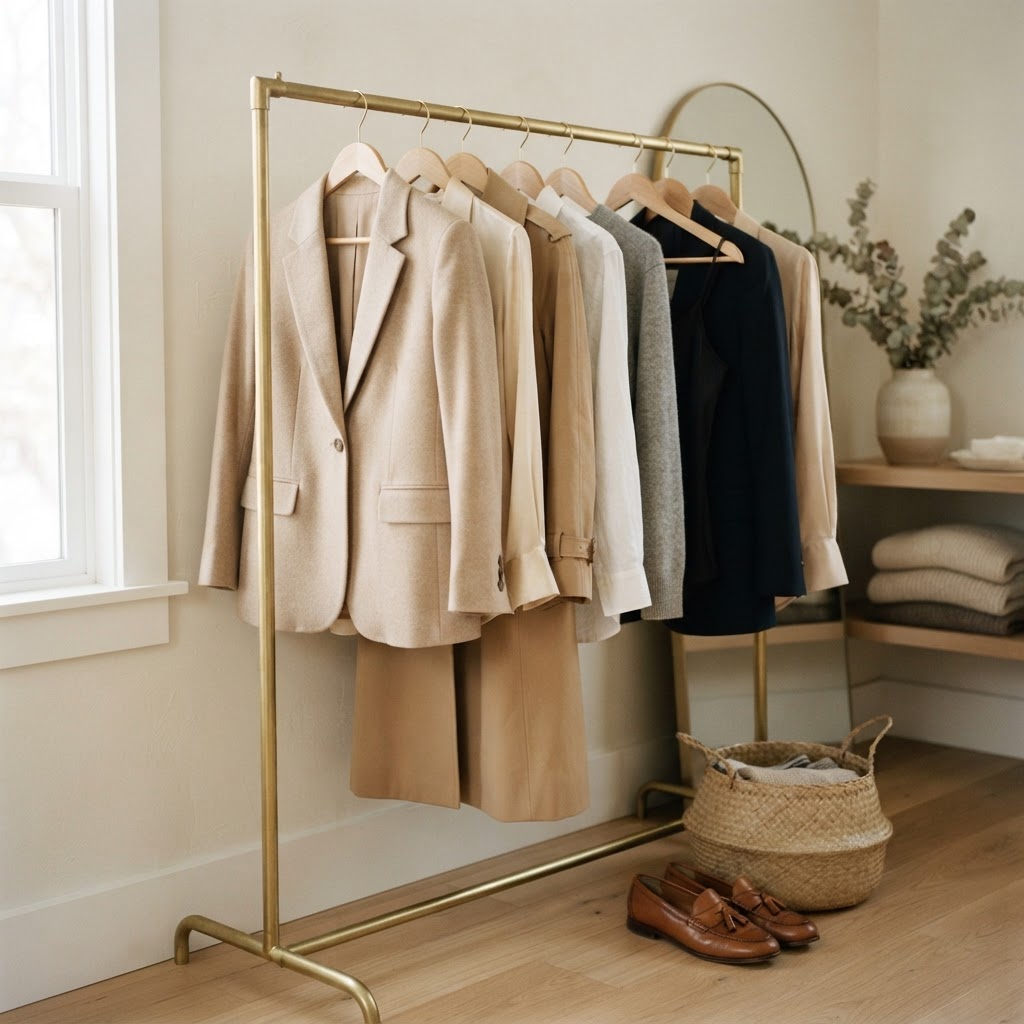
Building a Foundation for Your Wardrobe
Curating a wardrobe that feels both fresh and functional is an art that balances timeless investment pieces with modern seasonal accents. Rather than chasing every passing trend, successful shoppers view their closet as a long-term project. The goal is to build a foundation that minimizes decision fatigue while maximizing the number of outfits you can create from a limited set of items. Start by assessing your current women's fashion staples to determine what pieces actually see regular use versus those that take up space.
A versatile closet relies on quality basics like well-cut trousers, neutral knitwear, and durable footwear. When you have a solid core, you can safely experiment with smaller, trend-driven purchases without fear of them feeling dated within months. Integrating new items should be a process of addition rather than total replacement. Before browsing for new additions, identify the specific holes in your current rotation—perhaps you need a reliable daytime handbag or a more comfortable pair of heels for work events.
The Art of Smart Online Shopping
One of the greatest mistakes shoppers make is impulsive purchasing driven by visual appeal rather than utility. To avoid buyer's remorse, treat your shopping experience as a structured activity. Begin by checking curated deal lists to see if your favorite brands are currently participating in site-wide events or offering seasonal markdowns. Many retailers provide significant incentives during specific calendar windows, and knowing when these occur is the difference between paying full price and securing a modest discount.
Always verify the material composition of the items you are considering. A garment made of natural fibers like cotton, linen, or wool will generally outlast synthetic alternatives and provide more consistent comfort. Similarly, when shopping for leather goods or accessories, look for details regarding construction quality, such as reinforced stitching or high-quality hardware. Taking an extra minute to research the item's specifications can save you the hassle of returns and ensure your money is spent on items that maintain their integrity over time.
Optimizing Your Search for Value
Finding the right balance between style and cost requires a bit of patience. Navigating various promotional offers is a smart way to stretch your budget, but these should never dictate your purchase decisions if the item doesn't truly fit your needs. If you are shopping at a store like Avidlove, focus on items that solve a specific problem or serve a specific purpose, such as elevated basics or undergarments that improve the fit of your outerwear.
Consider creating a wish list across multiple platforms to track price fluctuations. This prevents the emotional urge to "buy now" simply because a discount is live. Instead, ask yourself if the item provides long-term value. Ask if it pairs with at least three existing pieces in your closet. If you cannot visualize how the garment integrates into your daily life, it is likely a candidate for being left in the cart. This analytical approach helps you build a cohesive wardrobe that looks intentional and personal, rather than a fragmented collection of impulse buys.
Refining Your Style Through Curation
As your collection grows, prioritize maintenance. Proper storage for handbags, regular cleaning for footwear, and mindful laundering for clothing will significantly extend the lifespan of your wardrobe. The most stylish people are rarely those with the most clothes; they are the individuals who understand how to maintain and style what they own. Investing in quality storage solutions, such as dust bags for leather goods and structured hangers for garments, is just as important as the purchase itself.
Ultimately, a successful approach to women's fashion is about confidence. When your closet is filled with items you love and that serve you well, getting dressed becomes a streamlined, creative process. Keep your eyes on the long-term utility of every piece, stay disciplined in your shopping habits, and do not be afraid to wait for the right deal on the right item. A well-curated wardrobe is built one thoughtful decision at a time, ensuring that your personal style remains consistent even as your needs evolve over the years. By focusing on quality and intentionality, you turn the act of shopping into a strategic method for self-expression and long-term satisfaction.
Frequently asked questions
How do I decide which fashion items are worth investing in?
Focus on high-quality staples that you wear daily, such as classic blazers, neutral knitwear, and durable leather footwear. These pieces offer the highest cost-per-wear value and form the base of a functional, long-lasting wardrobe.
What is the best way to avoid impulsive shopping mistakes?
Implement a mandatory waiting period for non-essential items to see if you still want them after a few days. Additionally, only purchase items that can be styled with at least three other pieces already in your existing closet.
How often should I audit my closet to maintain an organized collection?
Perform a seasonal audit every three to four months. This allows you to remove items that no longer fit or function well while identifying exactly what gaps need to be filled for the upcoming season.
Why is material composition important when shopping for clothing?
Natural fibers like wool, cotton, and linen generally offer superior breathability, comfort, and durability compared to synthetic materials. Checking tags for fabric content helps ensure you are paying for quality that will last through repeated washes.
Is it better to shop for trends or basics?
A balanced wardrobe is ideal, with roughly 80% of your collection comprised of timeless basics and 20% dedicated to seasonal trends. This ratio allows you to stay current without needing a complete closet overhaul every year.


