
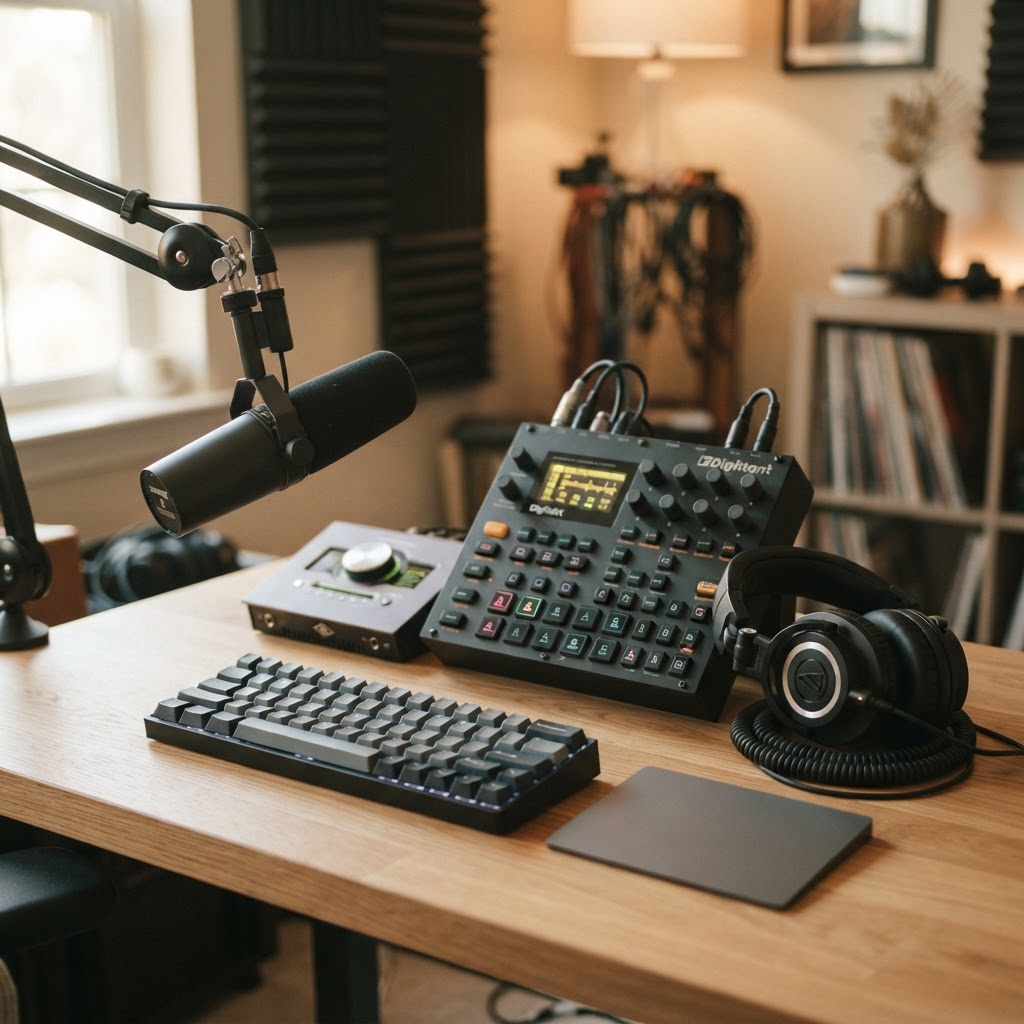
Assessing Your Needs in the Musical Landscape
Entering the world of music production and performance requires a clear understanding of your specific goals, whether you are a hobbyist building a home studio or a professional looking for reliable touring gear. The category of musical instruments is vast, spanning from acoustic guitars and drums to digital audio workstations and high-fidelity speakers. Before you commit to a purchase, it is vital to distinguish between entry-level tools designed for learning and professional-grade equipment engineered for durability and sonic precision.
A common mistake shoppers make is prioritizing brand prestige over technical compatibility. For instance, an audio interface that offers excellent pre-amps may not integrate seamlessly with your existing software or operating system. Always review the technical specifications against your current hardware setup. By auditing your existing deals and checking your inventory of cables, stands, and power supplies, you can avoid unnecessary duplicate purchases and focus your budget on components that offer the most significant impact on your sound quality.
Evaluating Audio Equipment and Performance Gear
When shopping for audio equipment, the focus should shift toward frequency response, build quality, and ergonomic design. If you are selecting headphones or speakers, look for transparency in sound reproduction rather than boosted bass or treble which can lead to fatigue during long editing sessions. Pay attention to wireless connectivity standards, battery life for portable units, and the inclusion of noise-cancellation features which are essential for recording in non-soundproofed environments.
Music accessories are often overlooked, yet they are the backbone of any reliable setup. High-quality instrument cables, stable microphone stands, and properly shielded power strips are as important as the primary instrument itself. When browsing for these items, ensure you are considering the physical demands of your usage. If you plan to travel frequently with your gear, prioritize lightweight materials and collapsible designs that do not compromise structural integrity. Before finalizing your order, consult verified promo codes to see if your cart qualifies for a reduced price, allowing you to reallocate funds toward higher-quality connectors or protective cases that will extend the lifespan of your primary equipment.
The Importance of Long-Term Value and Maintenance
The smartest way to invest in your musical journey is to view every acquisition as a long-term commitment. Rather than chasing the cheapest model, evaluate the repairability and upgrade path of a product. Instruments made from high-quality woods or durable alloys maintain their value better and provide more consistent tuning stability. Similarly, digital audio controllers and sound cards should support modern firmware updates to remain compatible with evolving music software.
Maintenance is equally critical. For string instruments, this means monitoring humidity levels and learning basic truss rod adjustments. For electronic gear, regular firmware checks and clean storage practices are non-negotiable. If you are sourcing gear online, look for comprehensive product manuals and community forums where experienced users share tips on troubleshooting and maximizing the utility of specific hardware. By maintaining your gear properly, you reduce the risk of unexpected malfunctions during live performances or critical recording dates, ensuring your investment serves your creativity for years to come.
Common Pitfalls in Instrumental Shopping
One of the most frequent errors is the impulse to buy an all-in-one bundle that includes items you may not need. While these packages often appear convenient, they frequently include low-tier accessories that will eventually need to be replaced. Instead, curate your collection piece by piece, selecting high-quality individual components that match your exact requirements. Additionally, ignore marketing hype that centers on aesthetic features like LED lighting or flashy colors at the expense of core functionality. A solid, feature-rich piece of equipment should be judged by its performance metrics first and its visual presentation second.
Lastly, keep a running list of items that truly enhance your workflow. If you find that your current setup lacks the necessary input range for your growing collection of hardware, identify the specific upgrade path—such as a larger interface or a more capable mixer—rather than simply adding more plugins or software. This methodical approach to building your music rig ensures that you are constantly leveling up your capabilities while keeping your spending focused and strategic. By maintaining patience and prioritizing research, you will assemble a professional-grade setup that empowers your musical evolution without unnecessary financial strain.
Frequently asked questions
What is the most important factor to consider when buying a new musical instrument?
The most important factor is the intended use of the instrument. You should evaluate whether the gear meets the technical demands of your current skill level and whether it fits into your existing production or performance ecosystem.
How can I ensure my music gear lasts longer?
Proper maintenance and protection are key. Use protective cases during transport, keep instruments in climate-controlled environments to prevent wood warping, and regularly update the firmware for all digital audio equipment.
Should I buy bundle deals or individual components?
Individual components are generally better for long-term value. Bundles often include lower-quality accessories that may need to be replaced, whereas choosing individual parts allows you to select high-quality gear that specifically suits your needs.
How do I know if an audio interface is compatible with my setup?
Check the interface's driver requirements against your computer's operating system and confirm that the input/output count matches the number of instruments or microphones you plan to record simultaneously.
Is it worth spending more on professional-grade audio gear?
Yes, if you are recording or performing regularly. Professional-grade gear offers better sonic transparency, higher build quality, and better support for software updates, which saves money and time on replacements in the long run.


