
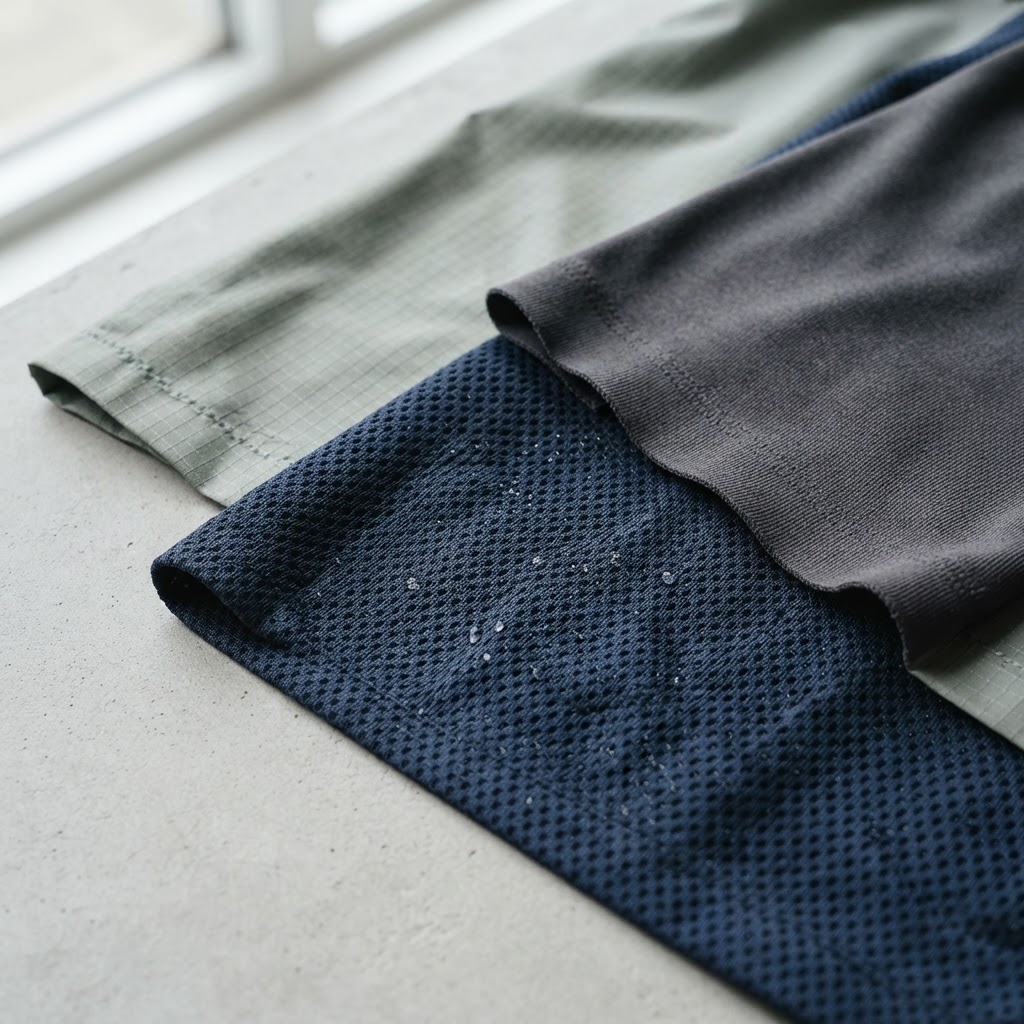
Understanding Technical Performance Fabrics
Selecting the right apparel for your fitness journey requires moving beyond aesthetics and focusing on the underlying engineering of the materials. When you browse for gear at Under Armour US, you are looking at items designed with specific environmental and physiological goals in mind. True performance clothing utilizes moisture-wicking fibers that transport sweat away from the body to the surface of the garment, where it can evaporate quickly. This process is essential for maintaining core temperature and preventing the heavy, damp sensation that occurs during high-intensity workouts. When evaluating a new piece of apparel, always prioritize items that clearly outline their moisture-management capabilities. Look for synthetic blends like polyester and elastane, which provide the necessary stretch and quick-dry characteristics required for demanding movement. While natural fibers have their place, they often struggle to handle the high volume of moisture generated during intense training, making technical synthetics the superior choice for active pursuits.
Aligning Gear with Training Modalities
Different forms of exercise place distinct demands on your clothing. If you are a long-distance runner, your primary concern should be friction management and breathability. Seam placement matters as much as fabric composition; flatlock seams, for instance, are critical in minimizing chafing over long durations. Conversely, if your men's fashion needs lean toward strength training or weightlifting, your focus should shift toward durability and structural integrity. You need fabric that can withstand repeated contact with equipment while allowing for a full range of motion without restriction. Many athletes find that specialized compression gear offers benefits for muscle stabilization and recovery, providing a secure fit that supports the body throughout various planes of movement. Always evaluate the fit and compression level against the specific activity you intend to perform to ensure the garment works in harmony with your biomechanics rather than against them.
The Role of Adaptive Technology
The modern athletic market has introduced sophisticated features such as temperature-adapting textiles and recovery-focused designs that go beyond simple comfort. When shopping, investigate whether a piece of apparel offers thermal regulation features intended to keep you cool in high heat or retain heat in cold conditions. These technologies are often integrated directly into the yarn or applied as a finish to the fabric, allowing the garment to respond to your body heat levels dynamically. Furthermore, do not overlook items designed for recovery. Technologies focused on sleepwear and post-workout attire often use specialized fabrics to promote circulation and comfort during rest periods. Integrating these pieces into your wardrobe is a practical way to manage your physical recovery as much as your active training. To find current opportunities on high-quality equipment and clothing, you can always browse our curated selection of offers to stay informed on what is currently available across various performance categories.
Evaluating Long-Term Value and Maintenance
Investment in high-performance apparel is not just about the initial purchase; it is about the long-term utility of the items. One of the most common mistakes shoppers make is failing to follow specific care instructions. Performance fabrics are often sensitive to high heat, fabric softeners, and harsh detergents. Heat can damage the structural integrity of synthetic fibers and breakdown the elastic properties that provide compression and stretch. To ensure your gear remains functional, always wash in cold water, avoid standard softeners that can clog the moisture-wicking pores of the fabric, and allow your items to air dry whenever possible. By treating your technical apparel with the appropriate care, you significantly extend the life of the garment, ensuring that your investment maintains its performance characteristics over time. You might explore our featured deals to see how you can upgrade your current rotation with high-value pieces that offer both longevity and innovation.
As you build your collection, remain critical of the features provided. Not every technical detail is necessary for every user, so tailor your selection to your actual exercise habits. By focusing on material composition, fit for the specific activity, and appropriate garment maintenance, you ensure that your athletic wardrobe serves as a functional tool for your personal fitness goals. Taking a methodical approach to these selections allows you to maximize the benefits of modern apparel technology, ultimately supporting your performance and comfort during every session.
Frequently asked questions
What should I look for in moisture-wicking fabrics?
Look for synthetic blends like polyester and elastane that are specifically engineered to move sweat to the outer surface of the fabric. Avoid heavy cotton, as it tends to absorb moisture and stay heavy, which can lead to chafing and discomfort during intense workouts.
Why is the fit of performance apparel so important?
A proper fit ensures that the technology within the fabric functions correctly. Compression gear needs to be snug enough to provide stability without restricting circulation, while loose-fitting gear should offer enough room for a full range of motion without excessive bunching or friction.
How do I make my athletic apparel last longer?
The most important steps are washing in cold water, avoiding fabric softeners, and air drying whenever possible. High heat from dryers can damage the synthetic fibers and elastic components that give performance gear its stretch and recovery properties.
What is the difference between training and recovery apparel?
Training apparel is built for breathability, moisture management, and durability during high-activity sessions. Recovery apparel is typically designed for comfort and may feature specialized fabric finishes aimed at supporting circulation and helping the body relax after physical exertion.
How often should I update my workout wardrobe?
There is no set timeline, but you should replace items when the fabric loses its elasticity, develops permanent odors that washing cannot remove, or shows signs of significant wear such as pilling or thinning. Monitor the performance of your gear to determine when it no longer supports your training needs.


