
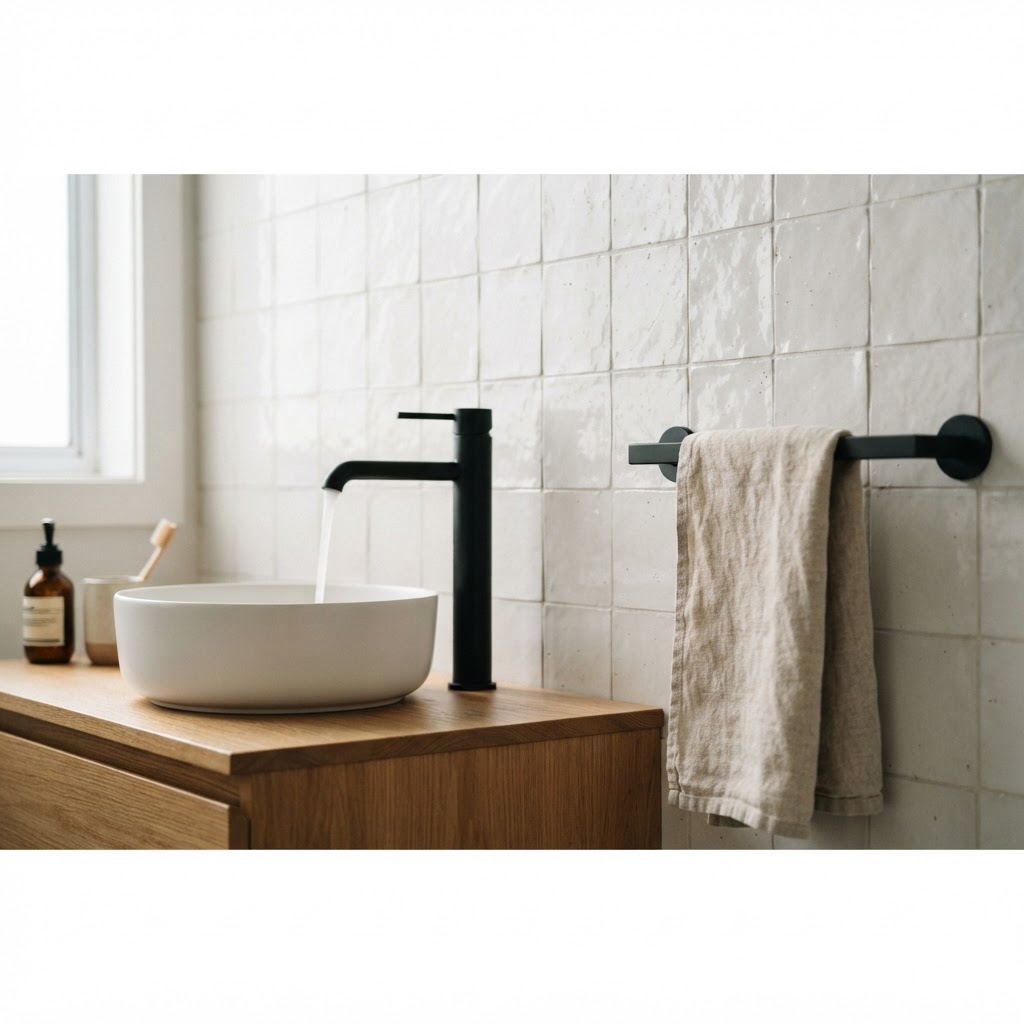
The Fundamentals of Bathroom Hardware Selection
Choosing the right hardware for a bathroom renovation involves more than just picking a design that looks good in a catalog. Whether you are aiming for a complete overhaul or simply swapping out dated fixtures to refresh your space, the structural integrity and material composition of your choices will determine how well they hold up against daily moisture and heavy usage. When browsing for components at The Perfect Part, it is essential to prioritize items that balance aesthetic elegance with long-term performance.
Start your search by identifying the specific needs of your space. A guest bathroom might handle light traffic, allowing for more decorative choices, while a primary en-suite demands robust, corrosion-resistant materials that can withstand steam and frequent cleaning. Before settling on a style, measure your existing vanity or wall space to ensure that any new fixtures align with existing plumbing layouts or mounting points. This prevents unnecessary modification costs later in the project.
Evaluating Materials and Finishes for Durability
The finish on your bathroom accessories is the first line of defense against rust and tarnish. When you look through various bathroom upgrades, pay close attention to the base material. Solid brass is widely regarded as a premium choice due to its natural resistance to corrosion, while stainless steel offers exceptional strength at a variety of price points. If you are choosing chrome, nickel, or matte black finishes, verify that the manufacturer uses a high-quality plating process that will resist chipping and peeling over time.
Beyond the finish, consider the tactile experience of the hardware. Faucets and handles should operate smoothly without sticking. If you are shopping online, look for clear descriptions of the valve types used in faucets, as ceramic disc valves are generally preferred for their longevity and drip-free performance compared to older compression-style mechanisms. Integrating consistent hardware throughout the room, from the showerhead to the robe hooks, creates a cohesive design language that elevates the perceived value of your home.
Maximizing Utility in Small and Large Spaces
Efficiency in bathroom design is often defined by how well your storage and hardware work together. In smaller bathrooms, every square inch counts. Vertical wall space is frequently underutilized, yet it is the perfect location for thoughtfully placed towel racks or shelving units. You can explore a variety of functional home solutions to help manage clutter. Ensure that the placement of your hardware allows for natural movement; for example, a towel ring should be positioned close enough to the sink for reach but far enough to avoid getting splashed during regular handwashing.
For larger bathroom layouts, you have more flexibility to include luxury features like rain showers, dual-sink configurations, and specialized organizational caddies. Regardless of the size, the goal remains the same: creating a seamless interaction between the user and the environment. Take the time to evaluate if your selected accessories provide genuine utility or if they are simply decorative. If you are unsure of where to begin, looking at collections at retailers like The Perfect Part can provide a structured overview of what modern standard-setting fixtures should include.
Common Pitfalls to Avoid
One of the most frequent mistakes homeowners make is mixing finishes in a way that feels unintentional. While 'mixed metals' is a legitimate design trend, it requires a clear strategy. If you combine polished gold with brushed nickel, ensure there is a logical reason for the contrast, such as using one for lighting and another for plumbing fixtures. If you find the process of coordinating styles overwhelming, sticking to a monochromatic color palette for your fixtures—such as opting for consistent matte black throughout the entire room—is a safer way to ensure a polished look.
Another common oversight is failing to check for hidden maintenance requirements. Some finishes are notoriously difficult to keep free of water spots, particularly in areas with hard water. Research how a specific finish responds to routine cleaning products. If you are frequently shopping for home upgrades, keep a list of your preferred styles and materials to reference when reviewing current promotional offers, as this will prevent you from making impulse buys that might not fit your established design plan. A well-planned bathroom renovation, executed with durable hardware, provides both immediate visual satisfaction and enduring functionality for your household for years to come.
Frequently asked questions
What is the most durable material for bathroom hardware?
Solid brass is generally considered the best material for bathroom hardware because it is naturally resistant to rust and corrosion. Stainless steel is also a high-performing, durable option that is often more cost-effective for residential projects.
Should I match all the hardware finishes in my bathroom?
Matching your hardware finishes provides a clean, cohesive look, especially in smaller bathrooms. If you choose to mix metals, do so intentionally by using one finish for primary plumbing fixtures and another for accessories like drawer pulls or towel bars.
What should I check before purchasing new bathroom faucets?
Check your sink's existing mounting configuration, specifically the number of holes (single-hole, centerset, or widespread). Additionally, confirm that the handle operation style aligns with your preference for ease of use and maintenance.
How do I maintain the finish on my bathroom fixtures?
Most premium finishes can be maintained by cleaning them regularly with a soft cloth and mild soap. Avoid using abrasive sponges or harsh chemical cleaners, as these can scratch the surface or strip away protective coatings.
Where can I find a variety of bathroom hardware styles?
You can explore diverse collections of bathroom sanitaryware and essential accessories at retailers like The Perfect Part. They offer curated selections that help match both modern and traditional design requirements.


