
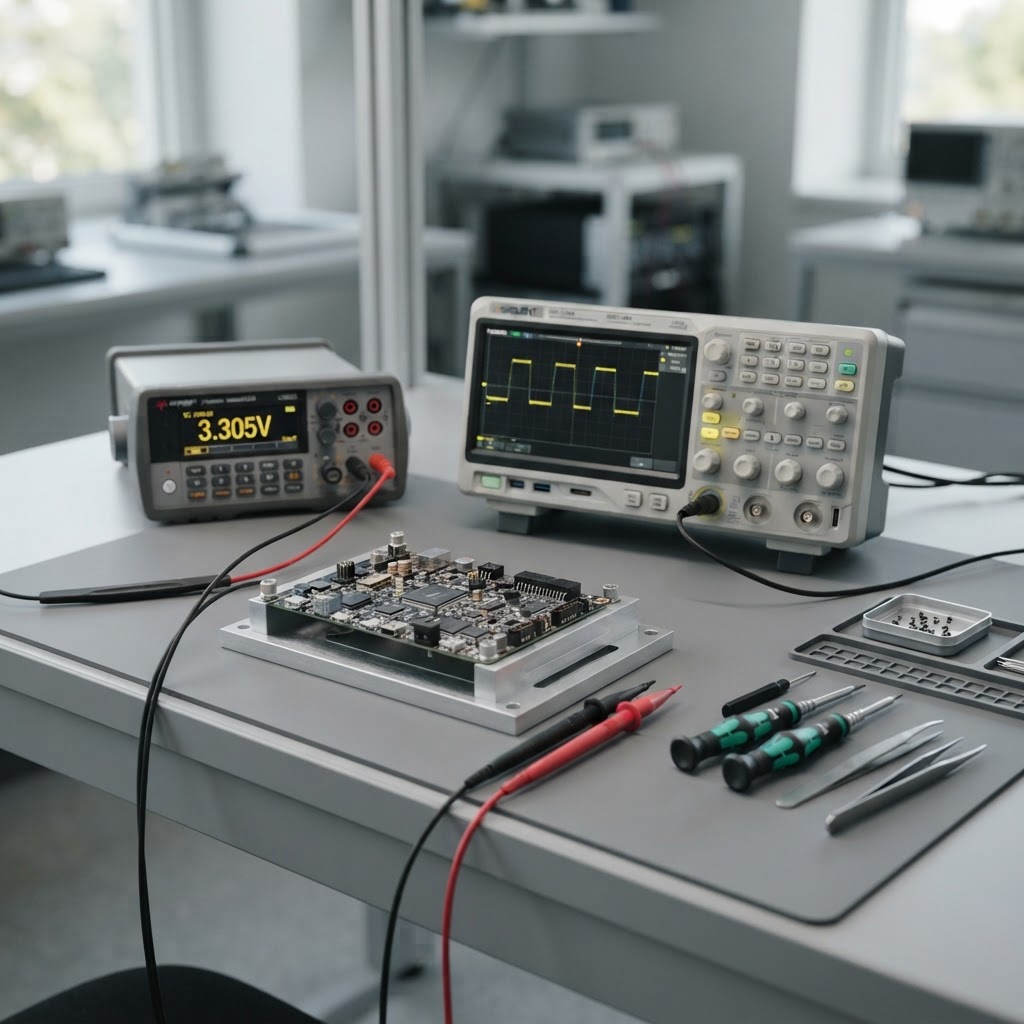
Establishing Your Technical Requirements
When searching for specialized equipment, the sheer volume of options available can be overwhelming. Before you begin browsing through a platform like MYCHWAY, it is essential to define the specific technical requirements for your project or profession. Professional-grade electronic gadgets are significant investments, and clarity at the outset prevents costly mistakes. Start by identifying the primary function the device must perform. Are you looking for high-precision diagnostic tools, aesthetic procedure equipment, or hardware for industrial maintenance? Writing down these functional requirements serves as a filter, allowing you to dismiss products that do not meet your operational standards.
Once your functional requirements are set, evaluate the technical specifications. Pay close attention to power requirements, output consistency, and compatibility with your existing workflow. Many professional tools are designed for specific environments; ensuring that a device fits into your current setup is just as important as the tool's core functionality. Avoid the temptation to over-specify; while having extra features might seem beneficial, unused technology often introduces unnecessary complexity and potential points of failure.
Comparing Technical Specifications
After you have identified the primary requirements, the next logical step is a methodical comparison of available models. When you visit featured shopping hubs, look past the marketing imagery and focus on the technical documentation. Compare key metrics like duty cycles, build material quality, and standard interface protocols. If you are comparing two similar devices, examine their expected maintenance intervals. A tool that requires frequent, specialized service might have a higher long-term cost of ownership than a more robust, slightly more expensive alternative.
It is also wise to cross-reference the components. Look for information regarding standard input power or universal connectivity options. When shopping for these specialized devices, consider how the hardware integrates with your existing software or peripheral systems. A highly specialized piece of equipment that operates in isolation often provides less value than a device designed to communicate effectively with other tools in your inventory. By maintaining a spreadsheet of these technical details, you can objectively compare different options based on data rather than branding or aesthetic appeal.
Understanding Long-Term Value and Maintenance
When you navigate your favorite deal discovery pages to find potential savings, remember that the lowest price is rarely the best indicator of value for technical equipment. Instead, assess the long-term support ecosystem surrounding the product. Professional tools require maintenance, calibration, or potential part replacements over time. Evaluate whether the manufacturer provides clear documentation or if the product uses standard parts that are easy to source. This is a critical factor when shopping for items at retailers like MYCHWAY where the technology level is often high.
Another common mistake is neglecting to review the intended application environment. Some electronic devices are designed for heavy, continuous use, while others are intended for intermittent or mobile tasks. Choosing a device that is improperly rated for your expected frequency of use can lead to premature failure. Furthermore, consider the learning curve associated with the interface. If a new piece of equipment requires extensive training to operate safely and effectively, factor that time and potential personnel cost into your decision-making process. Efficiency gains should ideally offset the complexity of the new device.
Evaluating Quality and Reliability
Reliability is the cornerstone of any technical workspace. When evaluating potential purchases, look for evidence of consistent build quality. If the retailer provides detailed photos of the device internals or build architecture, analyze the placement of essential components and heat dissipation measures. Proper airflow and structural integrity are vital indicators of how well a device will perform under load. While you might explore other technical retailers such as 3DMakerPro Global or even specialized lighting retailers like 1-800Lighting to understand how different industries approach hardware quality, the principles of evaluating manufacturing standards remain consistent.
Avoid the pitfall of assuming that all features will be equally useful. Prioritize the core functions that solve your immediate technical problems. If you find yourself gravitating toward a device simply because it looks modern or includes advanced bells and whistles, take a step back and compare those features against your initial requirements list. Maintaining this professional distance during the shopping process ensures that your final choice is one that bolsters your productivity and provides genuine utility in your daily operations. Focus on the durability and the specific technical outcomes you need to achieve, rather than the allure of the latest release cycle.
Frequently asked questions
What should I prioritize when comparing electronic equipment at MYCHWAY?
Prioritize functional alignment with your current technical requirements and operational standards. Ensure the device specifications match your necessary output and reliability needs rather than focusing solely on price or aesthetic features.
How do I avoid buying equipment that is too complex for my needs?
Create a clear list of must-have functions before you start shopping. If a device has several advanced features that do not directly contribute to your required tasks, it may introduce unnecessary complexity and potential failure points.
Why is the long-term cost of ownership important for technical tools?
Professional electronic tools often require periodic calibration, maintenance, or parts replacement. Evaluating the availability of these support elements is critical for determining the true value of an investment over its lifespan.
How can I assess the reliability of a device before purchasing?
Look for information regarding build materials, thermal management, and intended usage frequency. Devices rated for heavy, continuous duty cycles generally offer more predictable reliability for professional environments.
Should I choose a device based on its ability to integrate with existing tools?
Yes, compatibility is key to operational efficiency. A device that communicates effectively with your current hardware or software ecosystem typically provides more value than an isolated unit that requires separate, disjointed workflows.


