
Assessing Your Off-Grid Energy Requirements
Transitioning to renewable energy requires a methodical approach. Before investing in high-end components, you must quantify your energy consumption. Start by auditing the total wattage of all devices you intend to power, factoring in both daily usage cycles and potential peak loads. If your goal is true energy independence, this calculation serves as the foundation for sizing your system. You can explore a wide range of options at Sun Gold Power Co.,Ltd to see how different components align with varying load requirements.
A common mistake is neglecting the difference between continuous and surge power. Many appliances, such as refrigerators or water pumps, require a brief but significant burst of power to start. Your inverter must be capable of handling these spikes without triggering a shutdown. Always prioritize components that offer verified performance specifications, as this prevents the frustration of system failures during critical moments. Whether you are outfitting a cabin or a backup power station, the quality of your equipment dictates the longevity of your investment.
The Critical Role of Solar Components
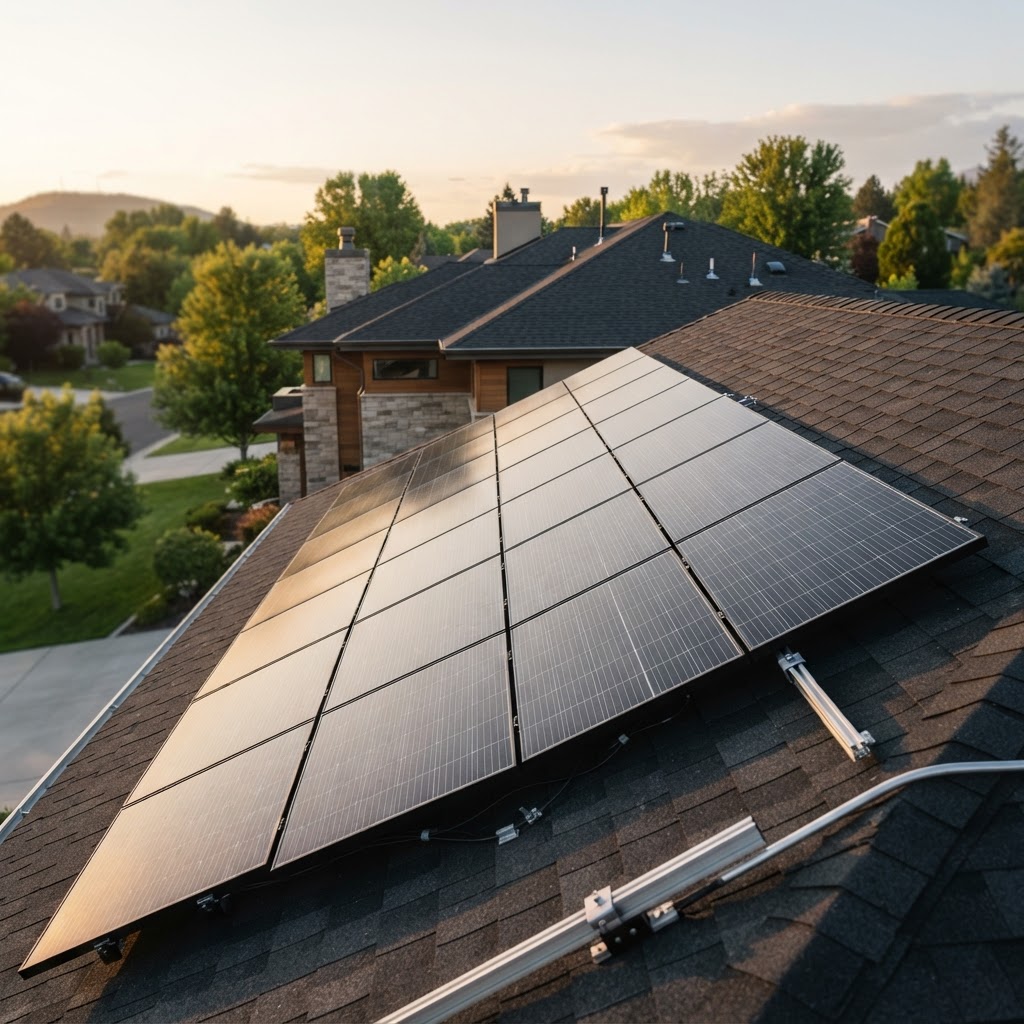
Solar energy systems are composed of three primary building blocks: solar panels, charge controllers, and inverters. Each piece must be compatible with the others to ensure maximum efficiency. Panels are your energy source, but their output is affected by orientation, shading, and local weather patterns. When selecting your hardware, consider the physical space available and the conversion efficiency of the modules. High-performance panels typically offer better output per square foot, which is essential if your footprint is restricted.
The inverter is the heart of your system, converting direct current from your panels or batteries into the alternating current needed for household appliances. Look for pure sine wave inverters, as they provide clean, stable power that is safe for sensitive electronics. Meanwhile, lithium batteries have become the industry standard for energy storage due to their deep-cycle capabilities and consistent voltage discharge. When browsing for Solar & Renewable Energy solutions, pay close attention to the depth-of-discharge rating of the batteries, as this significantly impacts the amount of usable energy you actually have on hand.
Evaluating Quality and Compatibility
When selecting solar equipment, avoid the temptation to mix and match disparate components from unknown sources. While it may seem cost-effective, mismatched impedance or conflicting voltage ratings can drastically reduce system performance. Retailers like Sun Gold Power Co.,Ltd simplify this process by providing curated selections that ensure technical compatibility. When you buy components that are designed to work together, you minimize the risk of installation errors and operational downtime.
Safety should never be compromised. Always verify that your batteries include a built-in battery management system (BMS). This internal hardware protects your storage from overcharging, deep discharge, and thermal runaway. A reliable BMS acts as a safeguard, extending the lifecycle of your lithium battery bank and providing peace of mind during unattended operation. For those just beginning their journey into renewable energy, reviewing available featured offers can help you allocate more of your budget toward higher-tier components that offer better longevity.
Maintenance and System Expansion
An off-grid system is not a "set it and forget it" installation. Regular maintenance is key to protecting your hardware. Periodic cleaning of solar panels is necessary to ensure dust or debris does not impede energy capture. Furthermore, monitoring your battery health is critical; keep your energy storage in a climate-controlled environment whenever possible, as extreme temperatures can accelerate degradation. Most modern systems allow for remote monitoring, providing real-time data on your power production and consumption levels.
Planning for the future is just as important as the initial installation. Many users start with a smaller array and expand over time as their needs grow. If you anticipate adding more appliances in the future, ensure your initial charge controller and inverter are rated for higher capacities than your current system requires. By planning for modular expansion, you avoid the need to replace entire units later. For those looking for the best entry point, consider checking current active deal links to see if premium system components are within reach. Taking a strategic approach to your initial purchase will result in a more durable and efficient system that meets your energy needs for years to come.
Frequently asked questions
What is the primary difference between a pure sine wave inverter and a modified sine wave inverter?
A pure sine wave inverter produces a clean power output that mirrors the electricity supplied by the utility grid, making it ideal for sensitive electronics. A modified sine wave inverter is often less expensive but can cause humming, reduced performance, or damage to delicate equipment like medical devices and modern computers.
How do I calculate the total capacity I need for my solar battery bank?
Calculate your daily power usage in kilowatt-hours (kWh) and multiply it by your desired days of autonomy, which is the number of days you want your system to run without solar input. It is also important to account for the battery's depth-of-discharge rating, ensuring you have enough headroom so you do not drain the battery completely.
Why is a battery management system (BMS) essential for lithium batteries?
A BMS is an electronic system that monitors the health and performance of individual battery cells within a pack. It prevents hazardous conditions such as overcharging, over-discharging, and overheating, which significantly extends the battery's lifespan and keeps your home or off-grid power system safe.
Can I mix solar panels from different manufacturers in the same array?
It is generally recommended to use matching solar panels to ensure your system operates at peak efficiency. Mixing panels with different electrical specifications can lead to voltage mismatches, which often results in the entire system outputting only as much energy as the weakest panel, effectively wasting your capacity.
What factors affect the lifespan of a solar power system?
The lifespan of your system is primarily influenced by component quality, installation environment, and regular maintenance. Excessive heat, poor ventilation for inverters, and physical damage to panels can all reduce the system's operational life. Regular monitoring of charging cycles and cleaning panels of debris are the best ways to maximize your return on investment.


