
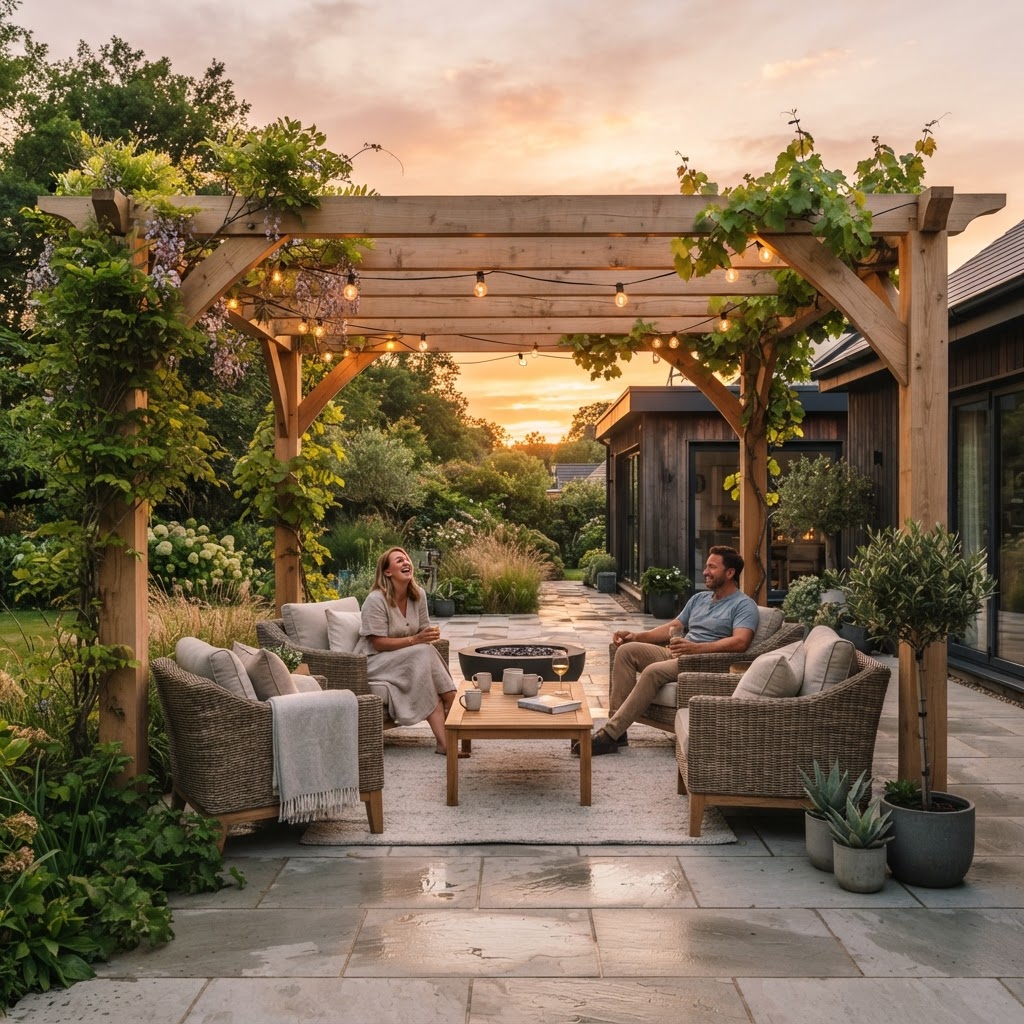
Foundations of a Well-Curated Outdoor Space
Creating an outdoor living area that functions as an extension of your home requires more than just picking out stylish furniture. It demands a thoughtful approach to layout, climate considerations, and the integration of structural elements that define your space. When browsing outdoor furniture accessories, the goal should be to balance aesthetic appeal with long-term durability. Whether you are aiming for a cozy reading nook or a full-scale outdoor dining experience, understanding the quality and purpose of each addition is critical. Many homeowners find comprehensive options through Sunjoy Group (US), which offers a variety of specialized structures designed for residential backyards.
Evaluating Structural Integrity and Material Quality
The biggest mistake most buyers make is prioritizing appearance over material performance. Outdoor spaces are subjected to harsh elements, ranging from direct UV exposure to heavy rain and wind. Before clicking purchase, examine the frame construction. Powder-coated steel or rust-resistant aluminum are generally preferred for their longevity. If you are considering wood-based gazebos or pergolas, verify that the lumber is certified for exterior use and pre-treated to resist rot and insect damage. You should also pay close attention to the joinery and hardware. High-quality pieces will utilize reinforced connectors rather than relying solely on pressure-fit components, which tend to loosen over several seasons.
Defining Your Functional Requirements
Before you start browsing through current promotional offers, create a clear list of what your outdoor space actually needs. Are you looking to increase shade, provide protection from insects, or create a focal point for evening gatherings? A gazebo or canopy offers a distinct overhead structure that changes how a patio feels throughout the day. Conversely, side tables, privacy screens, and hanging lights serve to refine the space. By defining your priorities early, you avoid the common pitfall of over-crowding your patio with unnecessary items that limit movement or reduce the comfort of the area.
Optimizing Your Space with Thoughtful Additions
Once your main structures are established, accessories are what tie the design together. Lighting, for example, is often overlooked but plays the most significant role in how you use your space after the sun goes down. If you need inspiration for technical lighting setups, comparing resources from specialists like 1-800lighting can provide insight into the types of fixtures that hold up best in open-air environments. Remember that accessories should serve a dual purpose. A stylish outdoor rug should not only add color to your deck but also prevent slipping and protect the underlying surface. Similarly, choose fabrics that are moisture-wicking and fade-resistant for cushions and throw pillows to ensure they look vibrant for more than a single summer.
The Importance of Spatial Planning
An outdoor space should never feel cluttered. Measure your available square footage before selecting any larger items. A general rule of thumb is to ensure at least three feet of clearance around furniture groupings to allow for comfortable traffic flow. If your space is limited, look for modular designs or multifunctional pieces that can be stored easily during the off-season. Checking the dimensions of every item you intend to purchase is essential. Many shoppers find that they overestimate how much space they have, leading to a crowded, uninviting backyard. If you are tracking down new decor or hardware, it is always a smart move to review the latest curated shopping links to ensure you are comparing the most relevant models available on the market right now.
A Final Note on Maintenance and Seasonal Care
Investing in high-quality outdoor elements is only the first step; their lifespan depends heavily on how you manage them. Develop a maintenance schedule that includes cleaning frames at the start of every spring and securing loose bolts or screws during the season. For wooden structures, periodic staining or sealing is necessary to maintain the integrity of the finish. By treating these investments with the same care you would apply to your indoor furniture, you protect your budget and your peace of mind. Keeping these long-term factors in mind ensures that your backyard continues to be a space for relaxation rather than a series of maintenance chores throughout the year.
Frequently asked questions
What should I look for when buying outdoor structures?
Focus on weather-resistant materials like powder-coated steel or treated wood. Always check the hardware quality to ensure the structure can withstand local wind and rain conditions.
How can I prevent my outdoor space from looking cluttered?
Measure your patio area precisely and ensure at least three feet of walkway space around furniture. Opt for multifunctional pieces and avoid over-accessorizing smaller footprints.
Why is material selection important for backyard furniture?
Outdoor items face constant exposure to UV rays and moisture. Selecting materials rated for exterior use significantly increases the longevity of your investment and reduces the frequency of replacement.
How often should I perform maintenance on outdoor furniture?
Perform a deep clean at the start of every season and regularly inspect hardware to ensure nothing has loosened. Applying wood sealant or rust-proofing sprays annually will keep items in peak condition.
Is it worth buying modular outdoor furniture?
Yes, modular furniture is highly versatile for different layouts and storage needs. It allows you to reconfigure your space based on your hosting requirements or seasonal changes.


