
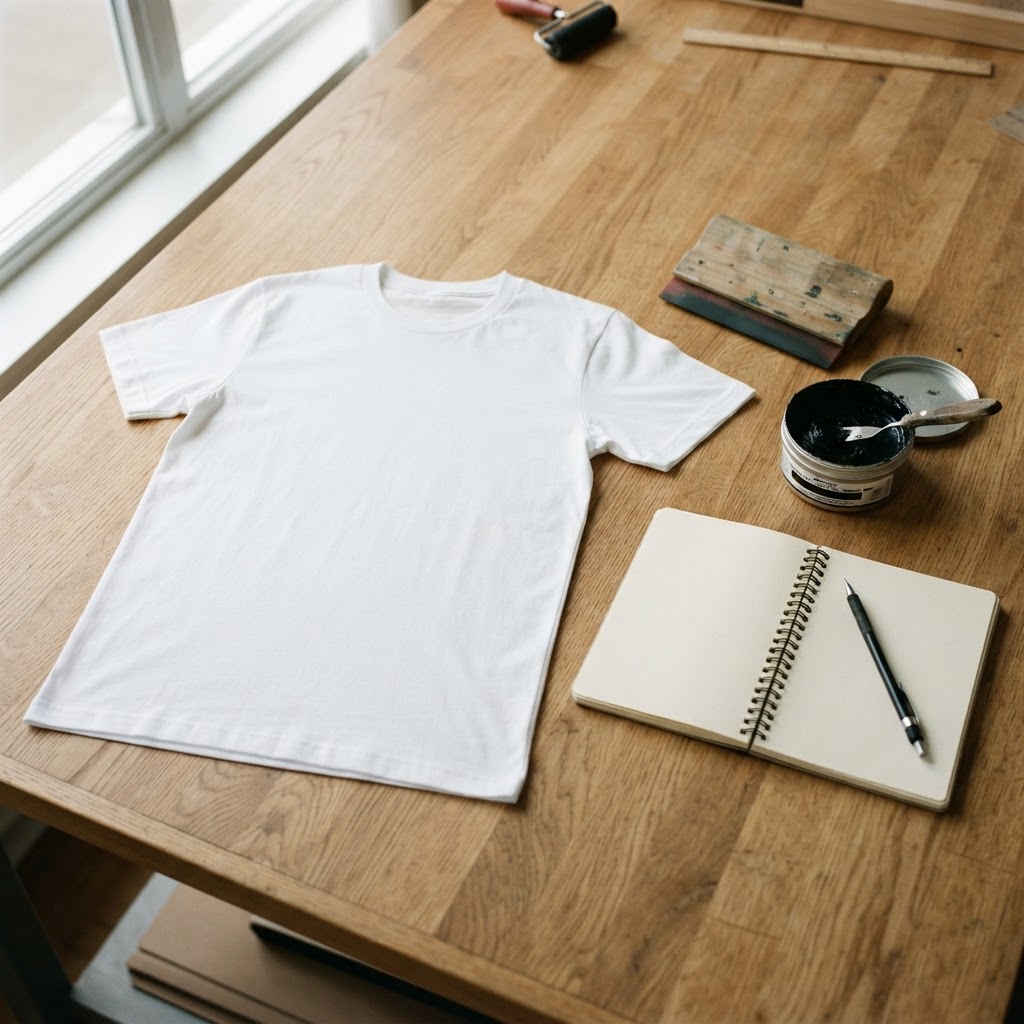
Ordering custom apparel is a significant decision for any organization, event planner, or small business owner. Whether you are outfitting a sports team or creating branded merchandise for a promotional campaign, the quality of the final product reflects your brand identity. Understanding the nuances of fabric selection, ink durability, and design placement ensures that your investment provides lasting value. You can explore a variety of these options at Allied Shirts to help you get started on your design journey.
Evaluating Fabric Quality and Utility
The foundation of any successful custom apparel project is the garment itself. Many buyers focus exclusively on the logo or the artwork, overlooking the importance of the base material. When reviewing your options, consider the intended use. For athletic activities, moisture-wicking synthetic blends are typically superior, offering breathability and quick-drying properties. Conversely, for casual everyday wear or event merchandise, ringspun cotton is often preferred for its softness and durability.
It is important to check the weight of the fabric, often listed in ounces. A heavier garment usually indicates greater durability and a more structured fit, while lighter fabrics are better suited for warm climates or athletic performance. Always compare the specifications of your base garment against the needs of your target audience. If you are uncertain about which material fits your project best, you can check our curated collection of top deals to compare different types of apparel retailers offer.
Choosing the Right Printing Method
Not all printing techniques are created equal. The most common methods include screen printing and digital printing, each with distinct advantages. Screen printing is the gold standard for large orders featuring bold, solid colors. It is highly cost-effective for bulk production and offers a level of vibrancy and longevity that is hard to match. If your design involves complex gradients or photographic elements, digital printing may be the more appropriate choice.
Before you commit to a bulk order, request a digital mockup to see how your design translates to the specific material you have selected. Think about the placement of your artwork as well. Centered chest logos are standard, but consider whether a smaller pocket print or a large back design better suits your goals. If you are looking for more design inspiration or need to compare current market offerings, browsing through our latest promotional resources can help you stay within your project budget.
Design Best Practices for Custom Gear
A common mistake in custom apparel is overcomplicating the design. When working with professional printers like those found at Allied Shirts, simplicity often yields the best results. Stick to high-contrast color schemes that stand out against the background fabric. If your design includes text, ensure the font is legible from a distance. Serif fonts can sometimes be difficult to read when screen printed in small sizes, so sans-serif alternatives are frequently a safer bet for logos and promotional messaging.
Vector files are the industry standard for custom printing because they can be scaled to any size without losing clarity. If you are providing your own artwork, ensure it is in an appropriate format like an AI, EPS, or high-resolution PDF file. If your design is pixelated at the source, it will appear pixelated on the shirt. Investing time in perfecting your design files will save you headaches during the production phase.
Sourcing Quality Components
While clothing is the primary focus, do not overlook the importance of sourcing your supplies from reliable retailers who prioritize both customer service and material consistency. For those in the lighting industry, sometimes apparel requirements differ, and you might look toward specialized suppliers or even consider different vendors like 1-800Lighting to round out your needs if you are coordinating multi-channel marketing efforts. Regardless of the niche, the strategy remains the same: identify your material requirements, select a printing method that aligns with your design complexity, and ensure your artwork files are prepared to professional standards.
Finally, always read the sizing charts provided by the retailer carefully. Sizes vary significantly between brands, and custom orders are rarely returnable. Taking the extra time to measure a garment that currently fits you well and comparing it to the size chart is the best way to prevent disappointment. Proper planning before you click the order button ensures that your custom apparel serves its purpose effectively and represents your brand with the quality it deserves.
Frequently asked questions
What is the most important factor when choosing custom apparel?
The most important factor is the intended use of the garment. You must match the fabric type and garment weight to the activity, such as choosing moisture-wicking materials for sports or cotton for casual merchandise.
How do I know which printing method to choose?
Choose screen printing for large orders with bold, solid colors, as it is durable and cost-effective. Choose digital printing if your design includes complex gradients, photos, or requires a very small order quantity.
Why is it important to use vector files for apparel printing?
Vector files are essential because they can be resized without any loss of quality. This ensures that your logo or artwork remains sharp and clear regardless of how large or small it is printed on the garment.
How can I avoid ordering the wrong size for custom items?
Never rely on general sizing labels like 'Large' or 'Medium' alone. Always check the specific manufacturer's size chart, measure a garment you already own, and compare those measurements against the chart to ensure a proper fit.
Should I order a sample before committing to a large bulk order?
Yes, ordering a sample is highly recommended. It allows you to verify the fabric quality, the accuracy of the color printing, and the overall feel of the garment before spending your entire budget on a full production run.


