
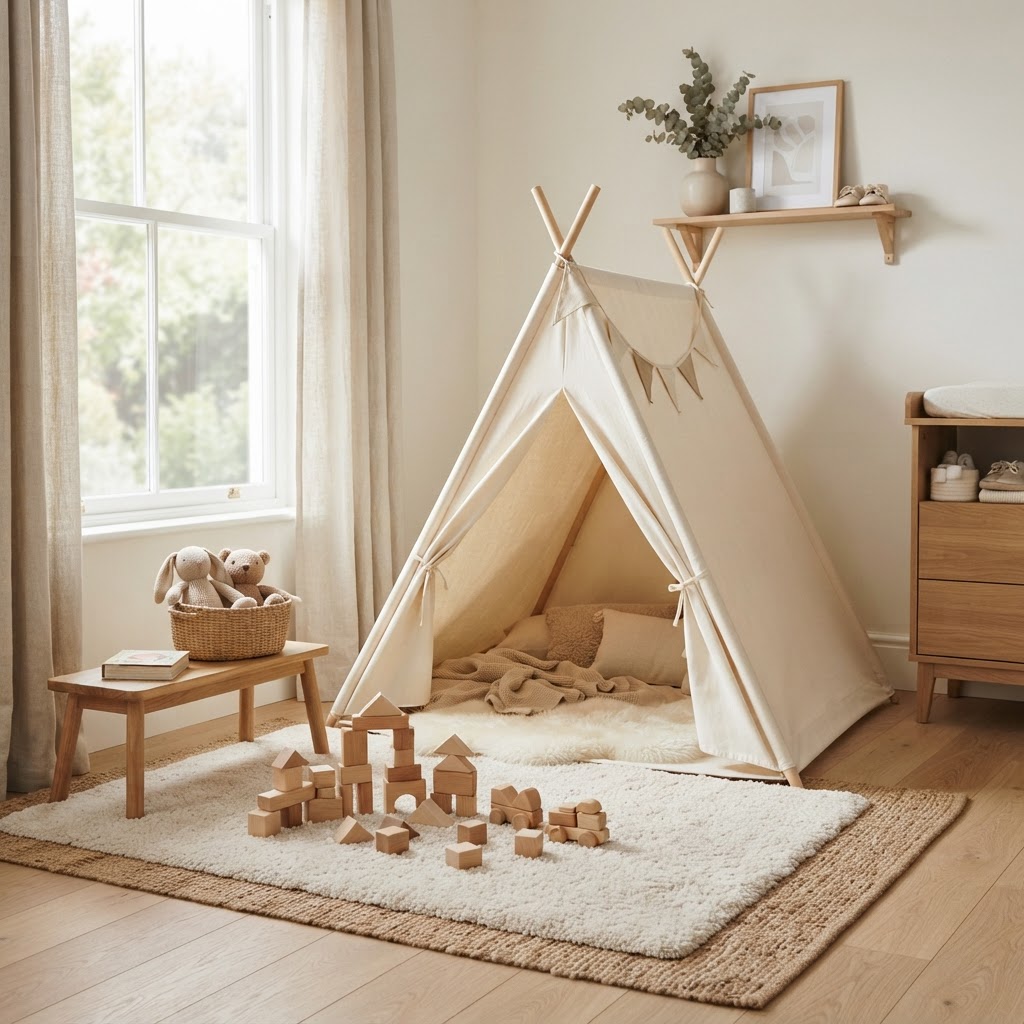
Prioritizing Value in Imaginative Play
Selecting the right equipment for your child’s play area involves more than just picking out the most colorful option on the shelf. When you invest in items like children's tents or modular wooden playsets, you are choosing tools that facilitate cognitive development, social interaction, and creative problem-solving. Quality matters significantly here because play equipment is subjected to heavy daily use. When searching for reliable sources, TINY LAND INC stands out as a destination for parents who prioritize these developmental needs through thoughtful craftsmanship.
The goal is to move beyond impulse buying and focus on longevity. High-quality toys and play structures often serve as the centerpiece of a child's imagination. Whether you are browsing the broader toys & games department or specifically seeking indoor retreats like tents, the key is to assess the materials and the versatility of the item. Are the wood pieces sanded properly? Is the canvas durable enough to withstand recurring assembly? By evaluating these factors early, you ensure that your purchase provides long-lasting value.
Evaluating Durability and Materials
When you browse for new additions to your playroom, always look closely at the materials used in construction. Wooden toys are often favored for their tactile feedback and durability compared to plastic alternatives. Solid wood can withstand drops and impacts that might crack lighter materials. When examining these products, check for non-toxic finishes and stable construction. A well-made item should feel substantial in the hand, signaling that it was built to endure years of play.
Similarly, for fabric-based items like tents, the weave of the fabric and the sturdiness of the support poles are critical. You want a structure that maintains its shape even when children are moving in and out of it frequently. It is helpful to research the setup process before you purchase. A tent that is overly complicated to maintain or assemble can become a source of frustration for parents, ultimately leading to it being packed away rather than used. Finding items that balance ease of use with structural integrity is the mark of a smart shopper.
The Role of Versatility in Play
One of the most common mistakes when shopping for children's toys is choosing items that have only one function. Modern, high-quality play equipment often excels because it is open-ended. A basic wooden set might represent a train, a skyscraper, or an abstract sculpture depending on the child's mood. Similarly, a high-quality tent acts as a private reading nook, a castle, or a secret base. By choosing items with multiple potential uses, you maximize the utility of your space.
Before you commit to a purchase, consider how the item will integrate into your existing household. Does it stack easily? Can it be collapsed and stored? Keeping a list of your specific needs—such as space requirements or age-appropriate safety standards—can help you stay focused on featured collections that align with your lifestyle. For those interested in seeing what current options are available across the market, exploring various deal links can reveal how different retailers present their inventory, helping you decide which pieces are truly worth the investment.
Developing a Long-Term Shopping Strategy
It is easy to get caught up in the excitement of a sale, but a strategic approach requires patience. Rather than buying multiple smaller, lower-quality items, consider allocating your budget toward a few core, high-quality pieces that can evolve with your child. This approach not only declutters your living space but also fosters a more meaningful connection between the child and their environment. When you browse through different retailers, remember that you are building a collection rather than just filling a room.
When you have a clear plan, you are less likely to be swayed by fleeting trends and more likely to invest in items that offer lasting engagement. Always read the descriptions carefully and prioritize retailers that provide clear information about the origin and safety of their products. This level of diligence ensures that every toy or piece of equipment you bring into your home serves a purpose. Whether you are looking for specific gift ideas or upgrading your child's creative space, taking the time to research your options at established retailers ensures that your money is well spent on items that will support your child's growth for seasons to come.
Frequently asked questions
What should I look for when buying children's tents?
Focus on the quality of the fabric, the stability of the support frame, and the ease of assembly. Durable canvas or heavy-duty cotton blends typically offer the best longevity, while sturdy poles ensure the structure remains safe during active play.
Why are wooden toys often a better investment than plastic?
Wooden toys are generally more durable, sustainable, and provide better tactile feedback for children. They are less likely to break under pressure and often hold their value better over time, making them a more eco-friendly and long-lasting choice.
How can I make sure a toy will be used for a long time?
Look for open-ended play items that don't have a single, fixed function. Toys that allow for creative interpretation, such as building blocks or versatile tents, tend to grow with a child’s imagination for many years.
What is the best way to organize a toy collection?
Use a rotational system to keep the play environment fresh. Store a portion of the toys out of sight and swap them every few weeks, which helps children appreciate the items they currently have and prevents the space from feeling overwhelmed.
How do I ensure the safety of the play items I purchase?
Always check for non-toxic finishes on wooden items and ensure that the products meet standard safety testing requirements. Researching the brand’s commitment to quality materials is a proactive step in ensuring your child's play area is safe.


