
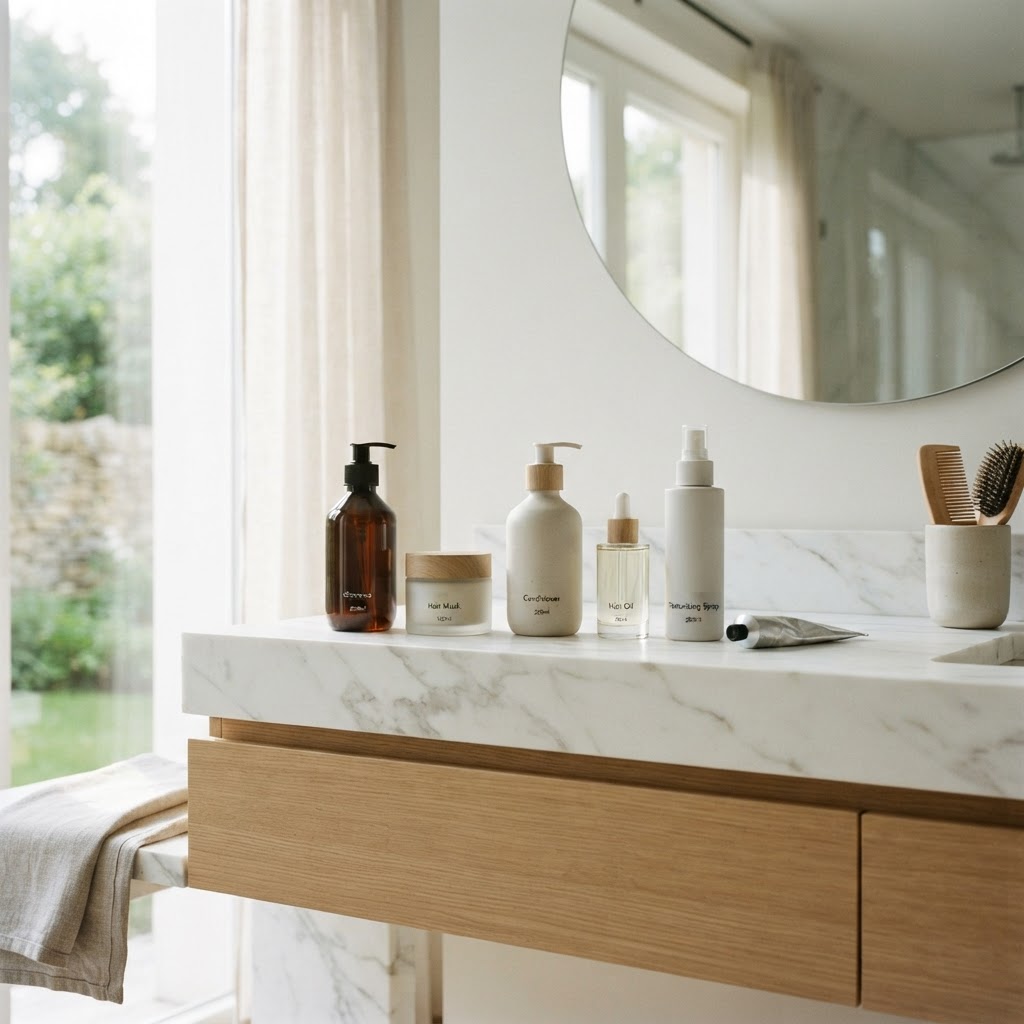
Identifying Your Specific Hair Needs
Achieving salon-quality results at home begins with a clear assessment of your hair’s current condition. Before investing in specialized products from providers like Jumy Bee - US, you must categorize your hair by its texture, porosity, and previous chemical treatments. For instance, color-treated hair often requires different protein levels compared to virgin, oily, or dry strands. Understanding the difference between moisture-based hydration and protein-based strength is the first step toward effective maintenance.
When browsing through collections that feature items like Japanese Hair Botox, protein treatments, or keratin smoothing sets, evaluate the primary function of each item. A protein treatment is designed to rebuild broken bonds within the hair shaft, which is ideal for those who use heat tools frequently or have bleached their hair. Conversely, masks intended for deep conditioning are designed to infuse lipids and hydration back into the cortex. Misusing these products can sometimes lead to brittleness, so identifying the underlying need of your hair is paramount before checkout.
Comparing Specialized Hair Treatments
The market for home-use salon products is vast, often leaving consumers confused about which treatment offers the best utility for their specific goals. When you look at catalogs featuring professional-inspired formulas, consider how each product fits into a weekly or monthly regimen. A clarifying shampoo, for example, is a foundational tool that removes buildup from environmental factors and styling products, which then allows deep treatments to penetrate more effectively.
Before you commit to a specific set, look for ingredient transparency. Professional formulas often contain specialized polymers or hydrolyzed proteins that differ significantly from mass-market alternatives. You can compare these offerings against broader deals to see how different brands structure their product bundles. Think about whether you need a full smoothing kit or if a single intensive mask will suffice for your hair’s current lifecycle stage.
The Role of Maintenance Products
After-care is just as important as the initial treatment. If you opt for a smoothing or straightening process, the type of shampoo and conditioner you use afterward will determine how long the results last. Many consumers overlook the importance of using a sulfate-free or specially balanced cleanser after a chemical process. Always check if the store provides detailed application instructions or after-care guides, as these are indicators of a brand that values the long-term health of your hair rather than just the immediate aesthetic result.
Avoiding Common Pitfalls in Haircare Selection
One common mistake shoppers make is selecting products based solely on marketing buzzwords like "repair" or "shine" without understanding the chemical mechanics involved. Not every "restorative" mask is suitable for every person. If your hair is naturally fine and lacks volume, a heavy, oil-dense mask might weigh it down, making it look greasy. Always start by researching the intended hair type for each product you encounter at sites like Jumy Bee - US to ensure alignment with your physical hair profile.
Another error is failing to consider the consistency required for these professional-inspired treatments. Unlike basic grocery store shampoos, professional-grade formulas often require specific timing or heat activation. If your schedule doesn't permit a thirty-minute mask application once a week, those high-quality treatments may sit unused on your shelf. Be realistic about the time investment you can maintain. Before finalizing any purchase, check if there are any active offers that might apply, but prioritize the suitability of the product for your hair over the urgency of a sale.
Developing a Sustainable Hair Routine
Curating a long-term routine requires patience. Start by introducing one new product at a time. If you start a new keratin or protein regimen, wait two to three weeks before adding another new treatment. This allows you to observe how your hair reacts to the chemistry of the new product. It is easy to get caught up in the excitement of a new routine, but overloading your hair with conflicting treatments can lead to product buildup or dryness.
Finally, keep an eye on how your hair responds to seasonal changes. Humidity and cold, dry air drastically alter how our hair behaves. Your summer haircare lineup likely needs to be adjusted by the time winter arrives. By staying informed about the products you purchase and keeping your routine adaptable, you ensure that your investment in quality haircare yields the best possible results. Remember to use a variety of resources, including blogs like our guide to finding new year sales, to keep your beauty budget as efficient as possible while maintaining your aesthetic standards.
Frequently asked questions
How do I know if I need a protein treatment or a moisture mask?
Perform a simple porosity test. If your hair feels gummy when wet or breaks easily, it likely needs protein to rebuild strength. If your hair feels straw-like, brittle, or tangled, it probably requires moisture to improve elasticity.
Are professional-grade haircare products really different from drug store versions?
Yes, professional-grade products often feature higher concentrations of active ingredients and advanced delivery systems. They are formulated to address specific hair structural issues rather than providing a one-size-fits-all cosmetic finish.
Can I use multiple intensive hair treatments at once?
It is generally not recommended to layer multiple intensive treatments. Doing so can cause product buildup, which blocks moisture and leaves your hair feeling heavy or coated. It is better to cycle your treatments throughout the month.
How often should I use a clarifying shampoo?
Clarifying shampoos should be used sparingly, typically once every two to four weeks. Using them too frequently can strip away natural oils and potentially lead to scalp irritation or dryness.
What should I look for when reading product descriptions?
Look for clearly defined target hair types, active ingredients, and specific usage instructions. A good product description should explain exactly what the item does and how it interacts with your hair structure.


