
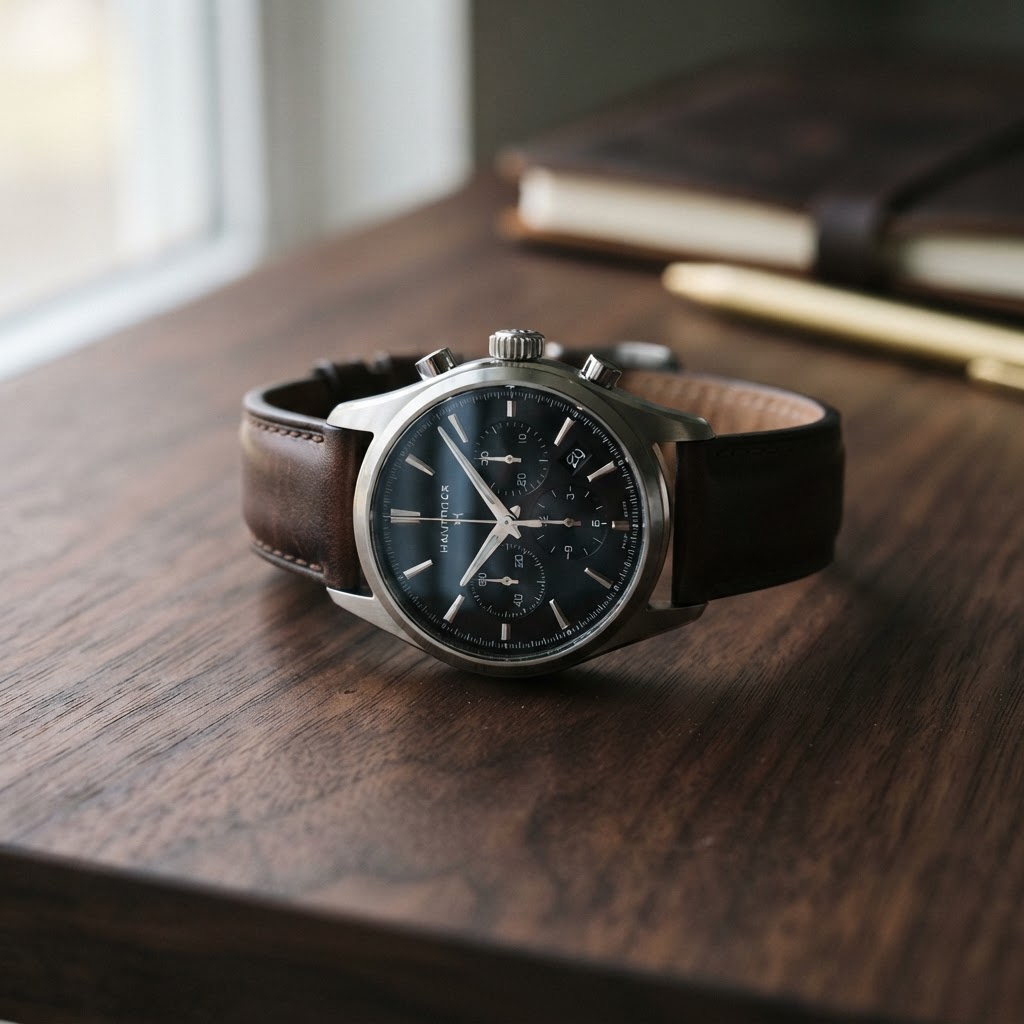
Investing in a high-quality watch is more than just a functional purchase; it is a long-term commitment to craftsmanship, engineering, and personal style. Whether you are looking for an everyday companion or a heritage piece, the process of selection demands careful consideration of several technical and aesthetic variables. You can explore curated collections at W. Hamond to understand how different manufacturers approach these fundamental design principles.
Understanding Movement Mechanics
The heart of any watch is its movement, which dictates how the time is kept and how the timepiece functions. Generally, movements fall into two categories: mechanical and quartz. Mechanical movements are often favored by collectors for their intricate complexity, relying on a series of gears and springs that require winding. Within this category, you can choose between manual-wind and automatic versions. Automatic watches derive energy from the natural motion of the wearer's wrist, making them a popular choice for those who value convenience without sacrificing mechanical prestige.
Quartz movements, on the other hand, utilize a battery and a crystal to provide exceptional accuracy. These are generally thinner, more robust, and easier to maintain. When browsing categories like watches and wearable technology, identify whether you prioritize the historical craft of a mechanical movement or the precision and reliability of quartz. Understanding the difference early will significantly narrow your search and help you align your budget with your functional expectations.
Evaluating Build Quality and Materials
A timepiece's longevity is largely determined by the materials used in its construction. Stainless steel is the industry standard for its durability and resistance to corrosion, but consider higher-end options like titanium for a lighter, more hypoallergenic feel. Beyond the case, the crystal—the glass covering the dial—is critical. Sapphire crystal is widely considered the gold standard due to its near-scratchproof nature, while mineral glass is a more economical alternative that may require more frequent polishing.
Pay attention to the bracelet or strap construction as well. A solid link stainless steel bracelet offers a weightier, premium feel, while leather or rubber straps can drastically alter the versatility of a watch. Consider the environment in which you intend to wear the watch. If you plan to wear it during physical activities or in water, ensure the timepiece has a sufficient depth rating and secure screw-down crown features. You might find a wide variety of these robust specifications when reviewing inventory at sites that focus on featured collections to see what technical standards are currently trending.
Determining Your Personal Utility
Before making a final decision, define exactly how you intend to use the watch. Is it a dress piece meant for formal events, a tactical tool for outdoor navigation, or an everyday accessory? A common mistake is prioritizing aesthetics over readability or utility. For example, a watch with a crowded dial featuring several complications, such as chronographs or perpetual calendars, might look impressive, but it may be difficult to read at a glance if simplicity is what you truly need.
Check the case diameter relative to your wrist size. A watch that is too large or too small can feel uncomfortable and unbalanced. Professional horology retailers often provide sizing guides, and comparing these specifications against your current accessories is a smart way to ensure a proper fit. If you are unsure about what to prioritize, look through current shopping guides to see how experts group timepieces by lifestyle and use case, helping you categorize your own needs more effectively.
Maintaining Your Investment
Once you have selected your timepiece, long-term maintenance is essential to ensure it continues to function accurately for years. Mechanical watches require periodic servicing—typically every three to five years—to keep the internal lubricant fresh and the components clean. Even quartz watches require occasional battery changes and seal checks to maintain water resistance. When you shop at reputable locations, you will often find resources that explain the service life of various luxury goods. Keeping your watch away from extreme magnets, temperatures, and harsh chemicals will also preserve the integrity of both the casing and the movement. By approaching your selection process with a clear understanding of your requirements and the technical specifications that define a quality piece, you can find a watch that serves you well for a lifetime.
Frequently asked questions
What is the primary difference between automatic and quartz watches?
Automatic watches are mechanical and powered by the movement of your wrist, while quartz watches are battery-powered and highly accurate. Automatic watches are often chosen for their traditional craftsmanship, whereas quartz models are preferred for their precision and low maintenance.
How do I know which watch size is right for me?
A good rule of thumb is to measure the circumference of your wrist. Watches with cases between 38mm and 42mm generally fit most wrist sizes, but those with smaller wrists may prefer 36mm-38mm models, while those with larger wrists might opt for 42mm-45mm.
Why is sapphire crystal considered superior to mineral glass?
Sapphire crystal is extremely hard and highly resistant to scratching, making it the preferred choice for premium watches. Mineral glass is more affordable but is significantly more susceptible to scratches and impacts over time.
How often should I have my mechanical watch serviced?
Professional watchmakers generally recommend servicing a mechanical watch every three to five years. This maintenance ensures that the movement remains lubricated and that any worn parts are replaced to maintain timekeeping accuracy.
What should I check to ensure my watch is water-resistant?
Always verify the ATM (atmospheres) or depth rating listed on the watch specifications. A rating of 50m is typically sufficient for light splashes, but for swimming or diving, look for watches rated at 100m or higher with a screw-down crown.


