
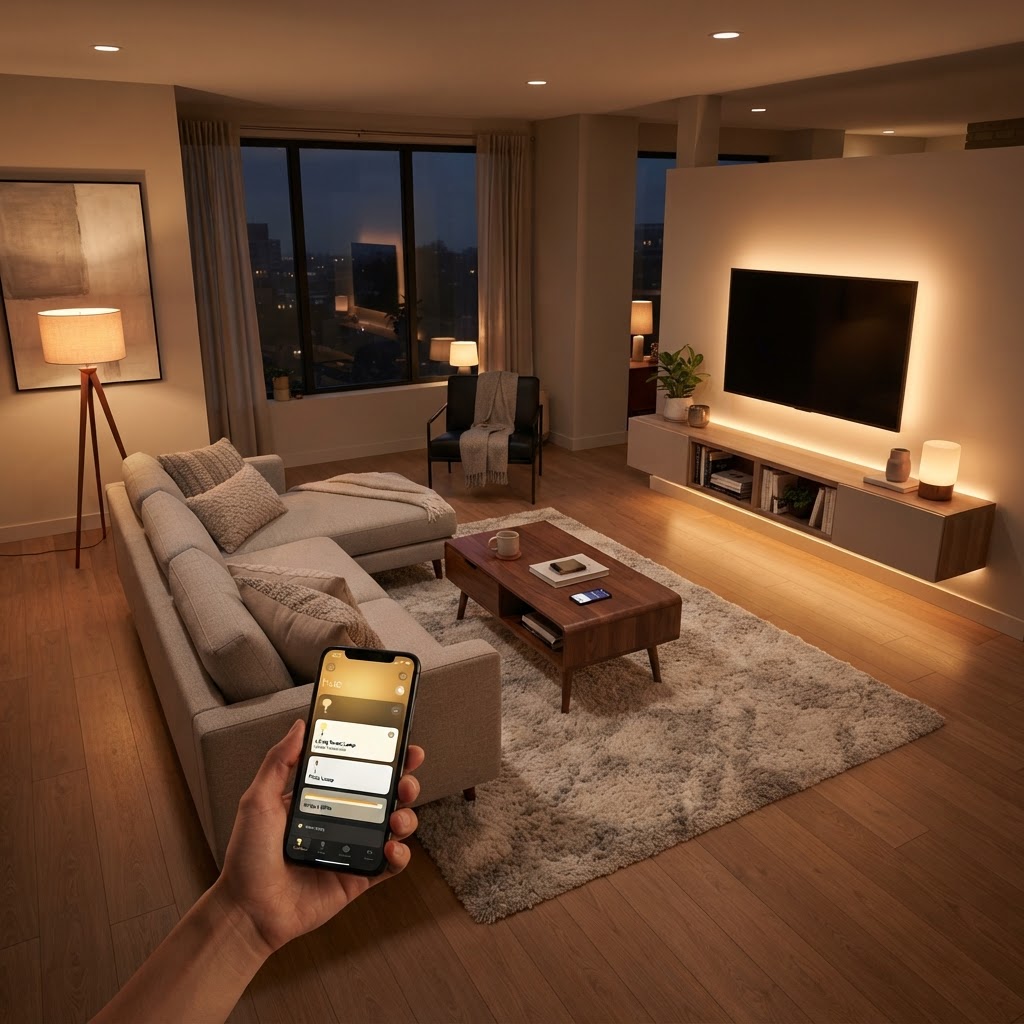
Building a truly connected living environment requires more than just buying every gadget on the shelf. The key to a successful smart home is interoperability and purposeful installation. By focusing on specific needs—such as energy efficiency, convenience, or security—you can create a system that enhances your lifestyle rather than adding unnecessary complexity to your daily routine. When you are ready to begin your setup, you can explore the smart home & security section to understand the hardware foundations available today.
Defining Your Smart Home Objectives
Before you commit to specific devices, define what you want your home to do. Automation should solve specific problems. Are you trying to reduce electricity consumption? Do you want to ensure your porch lights are always on when you arrive home at night? Perhaps you want to monitor your indoor climate more effectively. Categorizing these goals helps you determine whether you need smart plugs, intelligent thermostats, or advanced lighting solutions. Browsing platforms like Meross Smarthome allows you to see the diversity of options available for these distinct tasks, from smart switches to radiator controllers.
A common mistake is mixing too many different ecosystems without ensuring they communicate well. Research your preferred hub or voice assistant compatibility early in the process. Most modern devices rely on standard protocols like Wi-Fi, Matter, or Thread. Confirming that your chosen hardware integrates with your existing home control software will prevent connectivity headaches down the road. Consistency in your device choices often simplifies both the initial setup and long-term maintenance of your automated network.
The Role of Smart Plugs and Switches
Smart plugs and wall switches remain the most accessible entry points for beginners. They provide an immediate way to retrofit existing appliances, such as lamps, space heaters, or fans, into a smarter version of themselves. When selecting these devices, consider the physical size of the plug to ensure it does not block adjacent outlets. If you are planning an extensive project, check out current online opportunities that might help you manage your budget more effectively as you acquire multiple units.
Smart switches are slightly more technical than plugs, often requiring a neutral wire. Before purchasing, verify your home's wiring configuration. If you are not comfortable with basic electrical work, consider hiring a professional. These components are excellent for controlling overhead lighting or ceiling fans, providing both remote app control and physical switch functionality. The goal is to make the technology invisible; if you have to struggle to trigger an action, the automation has failed its primary purpose.
Optimizing Climate and Energy Management
Managing home temperature is one of the most effective ways to balance comfort with utility costs. Smart radiator thermostats and climate sensors allow for granular control over different rooms. Instead of heating an entire house uniformly, you can set schedules that prioritize active living areas during the day and bedrooms at night. This precision is vital for creating a sustainable living space.
When you browse for these devices at a vendor like Meross Smarthome, look for features that offer scheduling, remote access, and energy usage reports. These data points provide actionable insights into your habits, showing you exactly when and where your energy consumption peaks. By adjusting your settings based on this data, you can refine your automation logic over time.
Ensuring Long-Term Reliability
A smart home is a living system that requires periodic updates. Firmware management is critical; always ensure your devices can receive security patches over the air. Additionally, consider how the devices will behave if the internet connection drops. The best automation setups maintain basic functionality even when the Wi-Fi is temporarily unavailable. Always check that the hardware you choose includes a reliable local control feature or a robust fallback mode.
For those looking for wider inspiration or comparisons beyond basic automation, you might review the featured selections to see how different retailers categorize their latest technology offerings. Whether you are upgrading one room or the entire property, the secret to success is patience. Install one or two devices at a time, test their automation triggers, and verify that they integrate with your voice assistants before moving on to the next phase of your smart home expansion. By taking a measured, thoughtful approach to your hardware procurement, you ensure a smoother, more efficient, and ultimately more enjoyable living experience.
Frequently asked questions
What is the first thing I should do before buying smart home devices?
You should audit your home's Wi-Fi coverage and identify your core goals. Knowing exactly which problems you want to solve, such as energy savings or security, helps prevent overspending on unnecessary hardware.
Do I need a hub for every smart device?
Not necessarily. Many modern devices connect directly to your home Wi-Fi or use emerging standards like Matter. Check the product specifications to see if it requires a proprietary bridge or if it works standalone.
How can I ensure my smart home devices are secure?
Always change default passwords immediately and keep your device firmware updated. Using a dedicated guest network for your IoT devices can also provide an extra layer of protection for your primary data.
What should I look for when buying smart plugs?
Check the maximum wattage capacity to ensure the plug can handle the appliance you intend to control. Also, ensure the physical size allows it to fit alongside other plugs in a standard power strip or wall outlet.
Can I automate my home if I am renting?
Yes. Focus on non-invasive upgrades like smart plugs, smart bulbs, and portable sensors that do not require permanent wiring or drilling. These are easy to install and can be taken with you when you move.


