
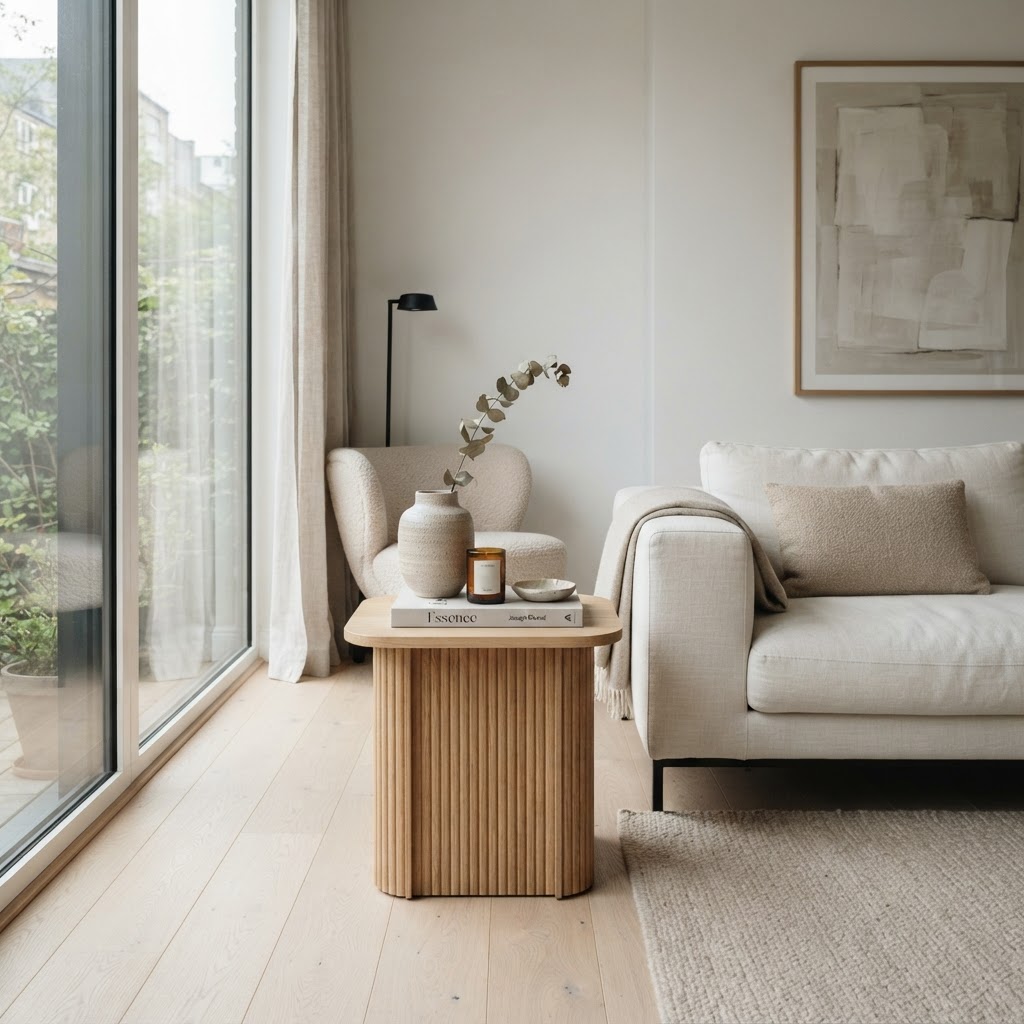
Upgrading your living space is rarely about replacing every piece of furniture you own. Instead, it is often the subtle additions and functional accents that define the comfort and aesthetic of a room. Whether you are aiming to revitalize a tired guest bedroom or enhance the organization of your primary living area, incorporating the right furniture accessories can make a significant impact. For those looking for specialized items, you can explore the collection at ReedStead, which offers a variety of pieces designed to complement modern interiors.
Defining Your Needs Before You Shop
Before browsing through countless furniture accessories, start by identifying the specific gaps in your home functionality. Are you struggling with surface space? Do you need better organization for media components? Many shoppers make the mistake of buying decorative items first and functional items second. This often leads to cluttered surfaces that look busy rather than curated. Start by assessing your current furniture footprint. If you have a desk that feels sparse or a console table that lacks depth, focus on pieces that bridge the gap between utility and design.
Consider the material integrity of any addition. Accessories often bear the brunt of daily use, from heavy lamps to books and electronics. Opting for materials that align with your existing furniture—such as wood grain, metallic finishes, or soft textiles—helps maintain a cohesive look. When you are ready to evaluate options, checking featured collections can help you identify high-quality materials that are worth the investment.
The Balance Between Form and Function
The best furniture upgrades serve a purpose while elevating the room's visual appeal. A common pitfall is prioritizing aesthetics to the point of sacrificing usability. For example, a decorative storage bin that is too small for its intended items or a side table that is not stable enough to support a lamp will eventually become a source of frustration. When selecting items from retailers like ReedStead, focus on the weight, dimensions, and maintenance requirements of the items.
Consider how these pieces will evolve with your space. Modular accessories or multi-functional items often provide more value than static, single-use decor. Ask yourself if a potential addition will remain useful if you decide to rearrange your furniture next season. A versatile approach to decor ensures that your home remains flexible and responsive to your changing needs, rather than feeling anchored to a specific trend that might fade in a few months.
How to Evaluate Quality and Craftsmanship
Quality in furniture accessories is usually found in the details: the smoothness of a finish, the stability of a base, and the precision of assembly hardware. If you are shopping online, look for clear imagery that shows corners, joints, and textures. When reading descriptions, prioritize items that mention structural durability. It is often helpful to review current active offers to see which high-quality items are currently accessible, allowing you to stretch your budget further without compromising on construction.
Avoid the temptation to buy multiple low-quality items just to fill a space. One well-crafted, durable accessory is significantly better than three cheap pieces that may wear out within a year. Think about the long-term lifecycle of the product. Does it require special cleaning? Is it prone to scratching? By selecting durable materials, you ensure that your investment pays off in both style and longevity. It is also wise to cross-reference your choices with items from other specialty stores, such as 1-800Lighting, to see how different functional accents like lighting can complement your furniture accessories.
Common Pitfalls in Home Styling
One of the most frequent mistakes in interior styling is failing to account for the scale of a room. Over-accessorizing can make a large room feel cramped, while under-accessorizing can leave a space feeling cold and uninviting. Always measure your available space carefully before purchasing items. A piece that looks perfect in a photo might be overwhelming once it is placed in your home. Additionally, be mindful of visual weight; balancing heavy wooden pieces with lighter, open-framed accessories can keep your living area feeling airy and intentional.
Finally, avoid following trends for the sake of novelty. While it is exciting to refresh your home with the latest styles, true comfort comes from items that you genuinely enjoy using. Focus on building a collection that reflects your personal preferences. By carefully selecting each piece, you will create a living environment that is both beautiful and highly functional.
Frequently asked questions
How should I measure my space before buying furniture accessories?
Measure the length, width, and height of the area where you plan to place the item. It is also crucial to account for clearance space around the piece to ensure doors open properly and foot traffic remains unobstructed.
What is the best way to maintain furniture accessories over time?
Follow the manufacturer's care instructions specifically for the material type. Generally, dusting regularly with a soft cloth and avoiding harsh chemicals will keep surfaces in good condition for years.
How can I ensure my new accessories match my existing furniture?
Focus on coordinating color palettes and textures rather than trying to perfectly match wood tones. You can create a cohesive look by using neutral colors as a base and adding pops of color through your chosen accessories.
Are multi-functional accessories worth the extra cost?
Yes, they often provide more value by serving two purposes, such as an ottoman that provides extra seating and hidden storage. These pieces are ideal for maximizing utility in smaller living spaces.
What should I avoid when styling a room with new pieces?
Avoid cluttering surfaces by ensuring there is enough 'negative space' around your accessories. Too many decorative items can make a room feel smaller and diminish the impact of your favorite pieces.


