
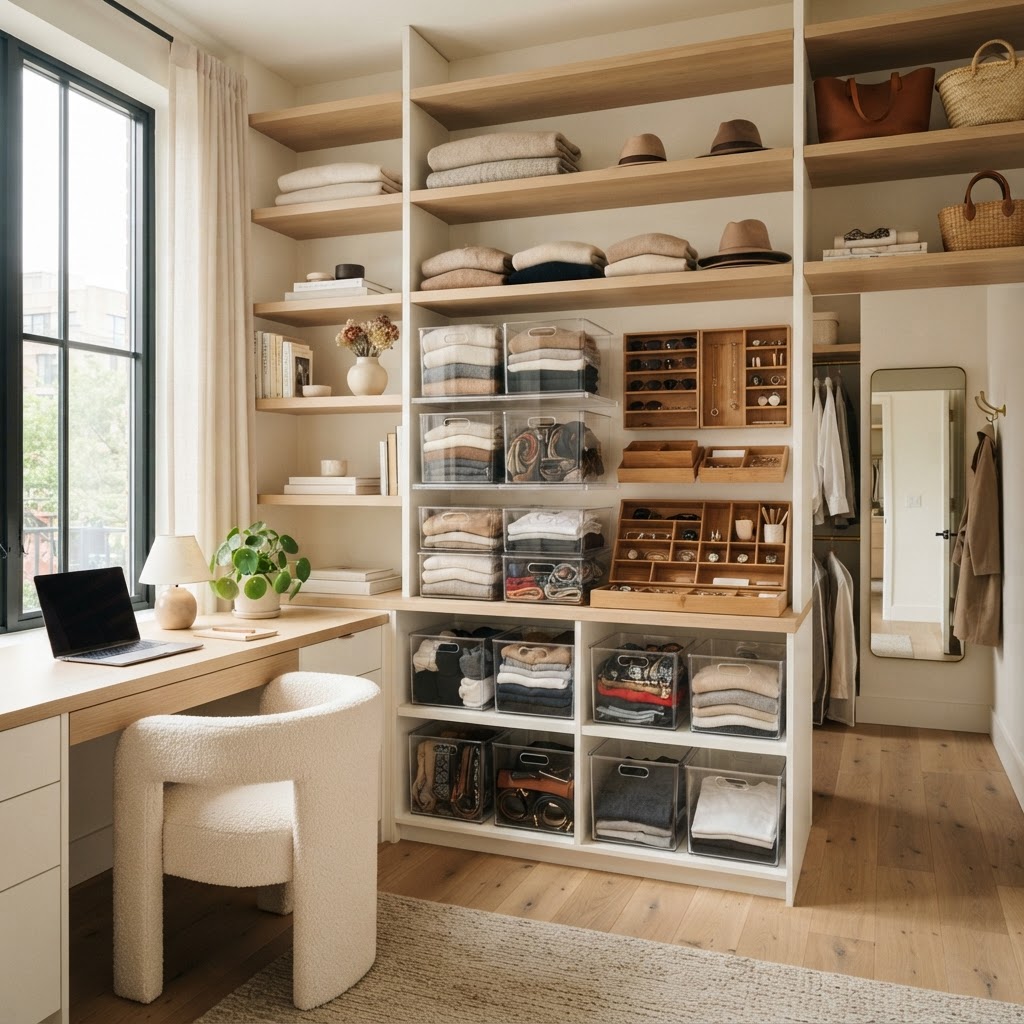
Mastering the Fundamentals of Home Organization
Effective home management begins with a clear understanding of your space and the items you need to store. Before purchasing bins, shelving, or closet systems, assess your inventory. Most households struggle because they buy storage containers before knowing exactly what they need to contain. Start by purging items that no longer serve a purpose; clearing the clutter makes it significantly easier to plan for what remains. When you are ready to shop for storage and organization supplies, focus on vertical space, as floor real estate is often the most limited resource in any room.
When planning your system, think in terms of access frequency. Items used daily—like kitchen essentials or frequently worn clothing—should reside at eye level or within easy reach. Seasonal items, such as holiday decorations or winter blankets, are best suited for higher shelves or deep under-bed storage. This distinction is crucial for maintaining order over time. If you find yourself constantly moving things around to get to the basics, your storage strategy likely needs a recalibration.
Evaluating Materials and Durability
Not all storage products are created equal. When browsing through featured collections, consider the environment where the item will live. Kitchens and bathrooms require moisture-resistant materials like plastic, glass, or treated metal. In contrast, bedrooms and living areas can accommodate fabric, wood, or woven materials, which often provide a warmer aesthetic. Avoid purchasing cheap, thin plastic for heavy items; it will eventually crack or deform, necessitating a replacement. Look for reinforced corners and sturdy lids if you plan on stacking bins.
Shelving units also require careful material evaluation. While wire shelving is versatile and lightweight, it may not be suitable for small, loose items that could fall through the gaps. Solid wood or laminate shelves offer a clean look, but they are significantly heavier. Before you commit to a purchase, measure your space accurately, accounting for baseboards and door swings. A common mistake is assuming a shelf will fit because the floor space is sufficient, failing to account for how the depth of the unit might impede foot traffic.
Smart Strategies for Closet Optimization
Closets are often the most neglected areas of the home. To maximize this space, look for modular systems that allow you to adjust shelf heights. As your needs change, so should your storage layout. Using matching hangers can instantly reduce visual noise, making a closet feel larger and more organized. For smaller items, use drawer dividers or hanging organizers to prevent the common pitfall of a "junk drawer" effect occurring within your wardrobe.
If you are looking to save money while building out your storage systems, keep an eye on active discount offers to offset the cost of higher-quality, durable hardware. Investing in modular units often pays off, as they can be expanded as your collection grows. Avoid the urge to buy everything at once; start with a single zone, such as your primary closet or pantry, and complete that area before moving on to the next. This methodical approach prevents burnout and ensures that every dollar spent serves a clear, functional purpose.
Refining Your Workflow
The goal of organizing is to simplify your life, not complicate your maintenance. Periodically audit your storage areas to ensure that items are still in their designated spots. If you find yourself consistently dumping items on top of an organizer rather than inside it, the system is likely too rigid or difficult to use. Efficiency in storage is defined by how quickly you can retrieve an item and how easily you can put it away. If it takes more than a few seconds to access what you need, it is time to reassess your arrangement.
Lastly, keep an eye on industry trends and seasonal shopping events to identify the best times to invest in larger storage infrastructure. Whether you are installing custom shelving or simply upgrading your pantry bins, patience during the planning phase is your greatest asset. By focusing on durability, accessibility, and intentional placement, you can create a home environment that is both functional and stress-free. Remember that organization is a process, not a destination, and it should evolve alongside your changing lifestyle requirements.
Frequently asked questions
What is the best way to start organizing a messy space?
Begin by completely clearing the area and sorting items into piles: keep, donate, and toss. Only after you have decluttered should you measure your space and look for storage solutions that specifically fit the items you decided to keep.
Should I choose plastic or fabric storage bins?
Choose plastic bins for items stored in kitchens, bathrooms, or garages where moisture and dust are factors. Fabric or woven bins are better suited for bedrooms and living rooms, where they offer a softer, more aesthetic look for storing clothing or linens.
How do I maximize vertical space in a small closet?
Use over-the-door organizers for shoes or accessories and install additional shelving units above the hanging rod. Modular stacking units can also help you utilize the floor-to-ceiling space effectively while keeping items accessible.
Is it worth investing in modular shelving systems?
Yes, modular systems are highly recommended because they allow you to adjust shelf heights and configurations as your storage needs change over time. This flexibility prevents the need to purchase new units when you acquire different types of items.
How often should I re-evaluate my home organization?
A quick quarterly check-in is ideal to ensure items are still being stored logically and that the system is functioning. If you notice items consistently landing outside their designated spots, it is a clear sign that your storage system needs a minor adjustment.


