
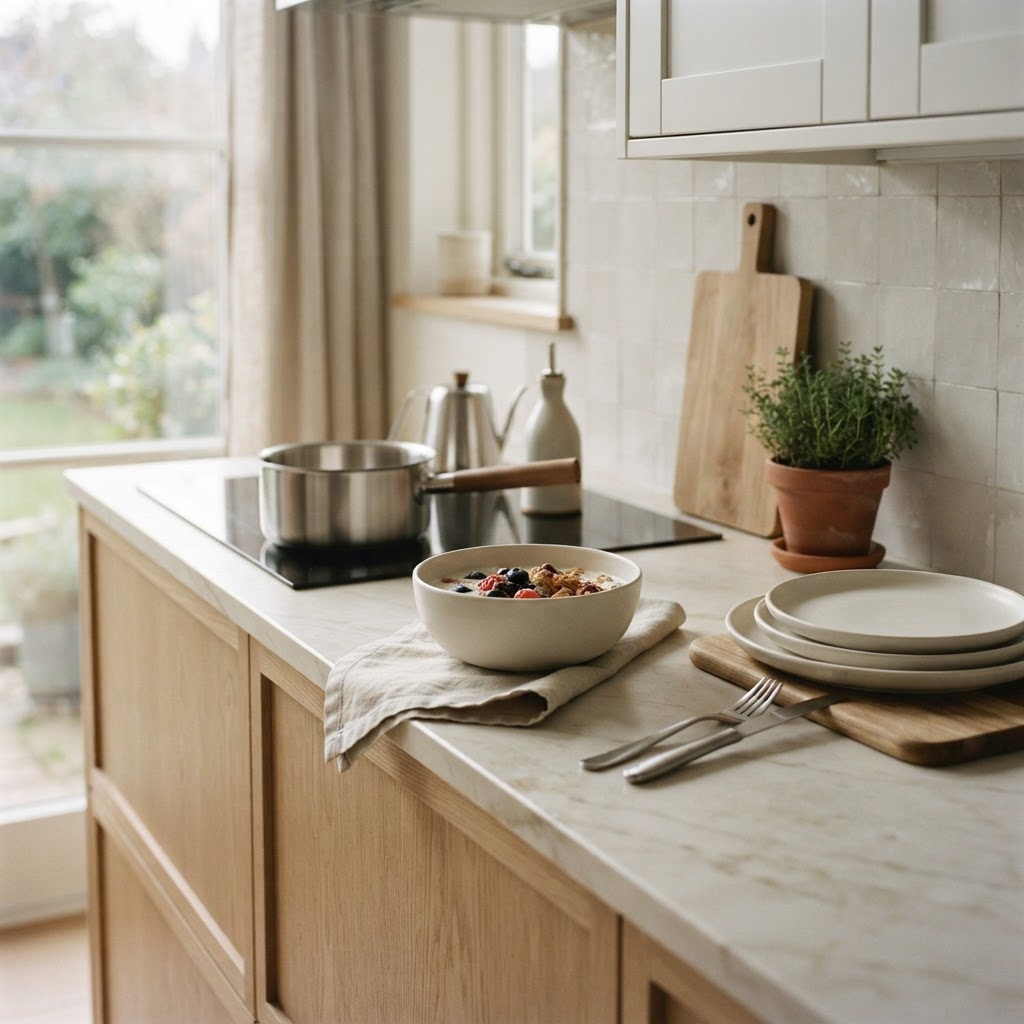
Establishing Your Culinary Priorities
Building a functional kitchen and dining space is a balance between utility and aesthetics. Whether you are looking to refresh your kitchen and dining setup or completely overhaul your collection of tools, the secret lies in prioritizing longevity over convenience. Before purchasing new appliances or sets, analyze your daily cooking habits. Do you host large dinner parties that require extensive dinnerware sets, or is your focus on efficient, high-performance cookware for solo meals?
The market is flooded with options ranging from budget-friendly items to professional-grade equipment. To make informed decisions, always check the build quality of materials such as stainless steel, cast iron, or ceramic. A common mistake many shoppers make is prioritizing brand names over the actual technical specifications of an item. Instead, look for durability indicators like heat conductivity in pots and pans or the thickness of glass in your drinkware collections. Taking the time to browse featured selections allows you to compare items side-by-side based on function rather than just marketing. Evaluate the weight, handle stability, and material finish before finalizing your decision.
Evaluating Appliances and Cooking Equipment
Large kitchen appliances and cooking gadgets, such as those found at Big Horn Outdoors, represent a significant investment in your home's infrastructure. When shopping for specialized cooking devices—like pizza ovens or outdoor grills—consider the fuel source and size requirements carefully. A frequent error is choosing an appliance that looks visually appealing but lacks the necessary power output for your specific cooking needs. Check the dimensions and the recommended maintenance protocols to ensure the device will fit comfortably into your lifestyle and your available kitchen or patio footprint.
Beyond performance, consider the versatility of your tools. A single high-quality appliance that serves multiple functions is often more valuable than several specialized tools that clutter your workspace. Assess the ease of cleaning and long-term maintenance costs. For instance, high-end grills often require specific seasonal care to remain efficient. Integrating your purchase strategy with active coupon codes can help you allocate your budget toward higher-tier products, allowing you to invest in better materials without overextending your finances.
Curating Your Dining and Serving Collection
Your dinnerware and glassware set the tone for your dining experience. When selecting these items, consistency is key, but it does not mean your table must be uniform. Mixing and matching textures can add depth to your dining space. Focus on selecting materials that handle daily wear effectively. High-quality porcelain or heavy-duty stoneware provides a better tactile experience than mass-produced plastics, and they often offer better resistance to chipping over time. Consider how these pieces will hold up in a dishwasher or oven, as these are common points of failure for lower-quality items.
In addition to dinnerware, don't overlook the importance of high-quality kitchen utensils. The right spatula, whisk, or ladle can significantly improve your efficiency in the kitchen. When building your utensil drawer, look for heat-resistant silicone or high-grade stainless steel. Avoid items with complex moving parts that are difficult to sanitize. The goal is to create a seamless workflow where your tools work with your natural cooking motions rather than hindering them.
The Long-Term Strategy for Kitchen Upgrades
Effective shopping for your home is not a one-time event; it is a cumulative process. Avoid the urge to buy everything at once. Instead, adopt a modular approach, replacing your most frequently used items first. By upgrading your primary cookware or your most utilized appliances, you see an immediate improvement in your daily productivity. Keep a list of your long-term needs to ensure you are ready when you find items that meet your quality criteria.
Finally, always read the manufacturer's care guidelines before committing. Even the highest-quality kitchenware will degrade quickly if subjected to improper cleaning methods. Store your items in a way that protects the finish and prevents scratching. By treating your kitchen and dining essentials as long-term assets rather than disposable goods, you ensure that your investment pays off in both performance and the longevity of your culinary setup. This disciplined approach prevents the waste of purchasing replacements prematurely and keeps your kitchen both organized and highly effective for years to come.
Frequently asked questions
What is the most important factor when choosing new cookware?
Material quality and heat retention are the most critical factors. Look for heavy-gauge materials like stainless steel or enameled cast iron, which offer consistent temperature control and durability over years of regular use.
How do I decide between different types of cooking appliances?
Analyze your cooking style and available space first. If you frequently cook outdoors, look for high-performance grills or pizza ovens that match your fuel preference, and always prioritize cleaning and maintenance ease.
Is it better to buy a full dinnerware set or individual pieces?
Full sets are excellent for consistency when hosting, but individual pieces allow you to customize your collection. Mixing and matching durable essentials can often be more cost-effective and reflective of your personal style.
How can I make my kitchen tools last longer?
Always follow the manufacturer's care and cleaning instructions. Avoid harsh abrasive sponges, ensure items are stored safely to prevent chipping, and prioritize hand-washing for high-quality items when possible.
What should I look for when buying kitchen utensils?
Focus on heat resistance and ergonomic design. High-grade stainless steel and reinforced silicone are generally the most durable options, providing a solid grip and preventing potential chemical leaching during high-heat cooking.


